THE ADVENTURE COLLECTIVE® · Independent discovery and booking for outdoor travel

Ascend toward Cotopaxi’s refuge at high altitude, then reward the climb with a fast downhill bike ride to Limpiopungo lake. This full-day outing mixes volcanic geology, páramo views and a practical dose of altitude guidance.
Ascend toward Cotopaxi’s refuge at high altitude, then reward the climb with a fast downhill bike ride to Limpiopungo lake. This full-day outing mixes volcanic geology, páramo views and a practical dose of altitude guidance.
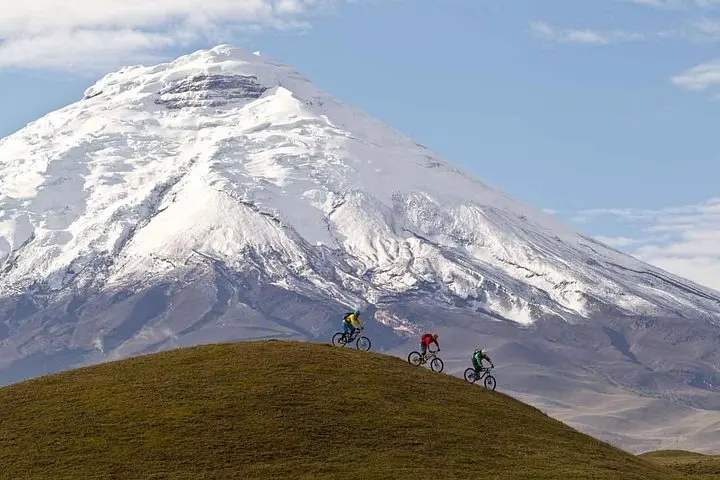
You step out of the van into thin air and a horizon ruled by ice and black rock—Cotopaxi’s cone rises like a hand-turned column above the páramo. The morning light strips colors down to ochre grass, dark lava and the white of glacier ice; every breath feels deliberate as you begin the walk toward the refuge.
Verified experiences and guided adventures in the surrounding area.
Operated by Community Adventures · Quito, Pichincha
You step out of the van into thin air and a horizon ruled by ice and black rock—Cotopaxi’s cone rises like a hand-turned column above the páramo. The morning light strips colors down to ochre grass, dark lava and the white of glacier ice; every breath feels deliberate as you begin the walk toward the refuge.
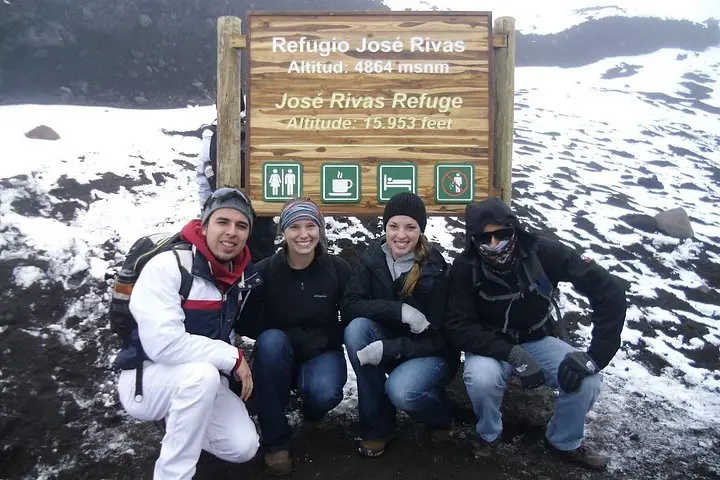
Cotopaxi National Park, created in the 1970s to protect one of Ecuador’s most active stratovolcanoes, sits on volcanic soils that shape the landscape—rolling moorland, volcanic ash fields and scattered lakes like Limpiopungo. The refuge sits high on the volcano’s flanks (roughly 4,700–4,900 m), a practical waypoint built for climbers and acclimatizing hikers; Limpiopungo lake below gathers meltwater and reflections, its shoreline alive with marsh plants and waterfowl.
Local Quechua communities historically traversed these slopes for grazing and salt trade; today guides from the area share both natural history and safety at altitude. Expect a steady uphill hike to the refuge—rocky switchbacks and exposed wind—and then a long, fast descent by mountain bike toward Limpiopungo, where the terrain eases and the air feels heavier again.
Practical notes: allow time to acclimatize in Quito or at park altitudes, wear layered windproof clothing, and use sun protection; the operator provides helmets and bikes but bring sturdy, broken-in shoes. Hydrate early and often; altitude can dull appetite and coordination. The route delivers close-up volcanic geology, brisk cardio, and the rare satisfaction of earning a descent that feels, literally, like coming back down to earth.
Tours are shared with up to 18 passengers, allowing for guided pacing and safety support.
Yes—bicycles and helmets are included, though bringing gloves and personal sunglasses is recommended.
You should be comfortable riding off-road and controlling speed on downhill sections; guides can advise beginners but basic descent control is required.
This tour is not recommended for pregnant travelers due to altitude and physical demands.
Community Adventures operates guided outdoor trips and adventures with an emphasis on safety, stewardship, and memorable experiences.
You step out of the van into thin air and a horizon ruled by ice and black rock—Cotopaxi’s cone rises like a hand-turned column above the páramo. The morning light strips colors down to ochre grass, dark lava and the white of glacier ice; every breath feels deliberate as you begin the walk toward the refuge.
You step out of the van into thin air and a horizon ruled by ice and black rock—Cotopaxi’s cone rises like a hand-turned column above the páramo. The morning light strips colors down to ochre grass, dark lava and the white of glacier ice; every breath feels deliberate as you begin the walk toward the refuge.
Cotopaxi National Park, created in the 1970s to protect one of Ecuador’s most active stratovolcanoes, sits on volcanic soils that shape the landscape—rolling moorland, volcanic ash fields and scattered lakes like Limpiopungo. The refuge sits high on the volcano’s flanks (roughly 4,700–4,900 m), a practical waypoint built for climbers and acclimatizing hikers; Limpiopungo lake below gathers meltwater and reflections, its shoreline alive with marsh plants and waterfowl.
Local Quechua communities historically traversed these slopes for grazing and salt trade; today guides from the area share both natural history and safety at altitude. Expect a steady uphill hike to the refuge—rocky switchbacks and exposed wind—and then a long, fast descent by mountain bike toward Limpiopungo, where the terrain eases and the air feels heavier again.
Practical notes: allow time to acclimatize in Quito or at park altitudes, wear layered windproof clothing, and use sun protection; the operator provides helmets and bikes but bring sturdy, broken-in shoes. Hydrate early and often; altitude can dull appetite and coordination. The route delivers close-up volcanic geology, brisk cardio, and the rare satisfaction of earning a descent that feels, literally, like coming back down to earth.