THE ADVENTURE COLLECTIVE® · Independent discovery and booking for outdoor travel

Cycle from Colaba to Marine Drive on a guided 2.5-hour tour that hits Mumbai’s top landmarks—Gateway of India, Kala Ghoda, CSMT and lively markets. Ideal for first-time visitors who want a compact, immersive view of the city by bike.
Cycle from Colaba to Marine Drive on a guided 2.5-hour tour that hits Mumbai’s top landmarks—Gateway of India, Kala Ghoda, CSMT and lively markets. Ideal for first-time visitors who want a compact, immersive view of the city by bike.
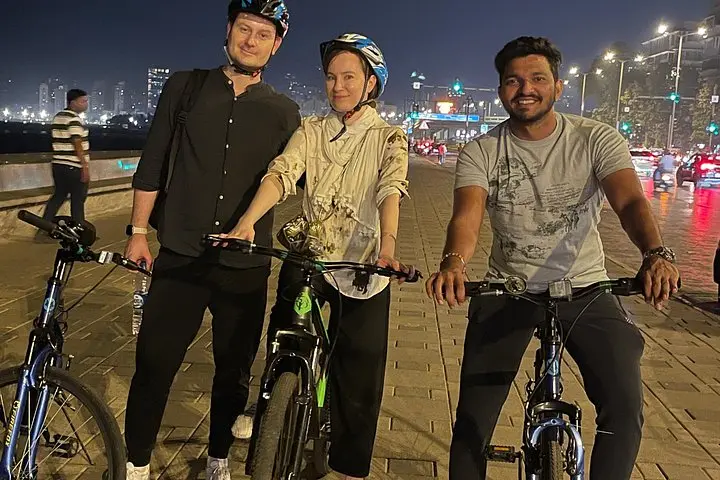
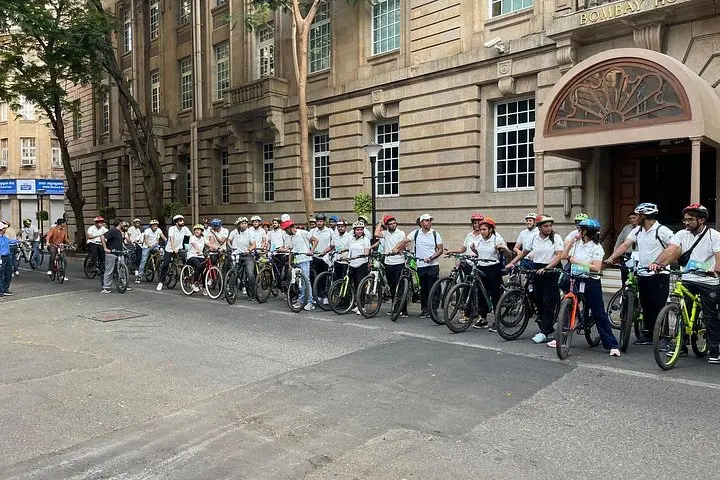
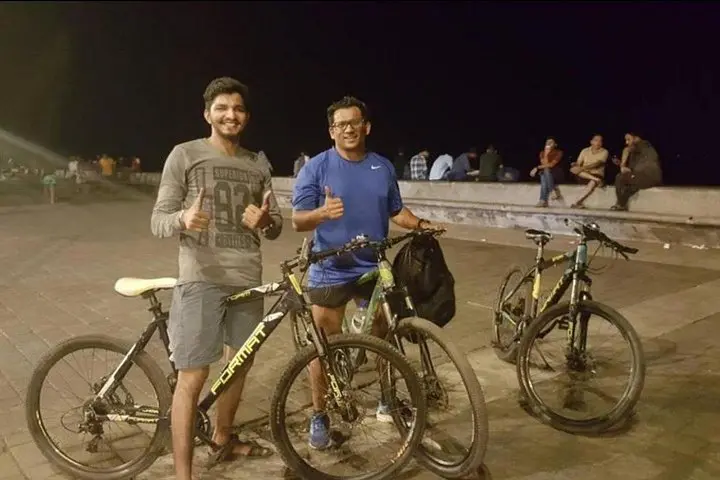
Pedaling out of Colaba at first light, riders move between stone monuments and the Arabian Sea’s salt-scented breeze. The Gateway of India rises like a city gate, the road beneath your wheels flat and firm as you thread through Gothic facades, market stalls and murals that mark Kala Ghoda’s creative pulse.
Verified experiences and guided adventures in the surrounding area.
Operated by The Mumbai Tours · Mumbai, Maharashtra
Pedaling out of Colaba at first light, riders move between stone monuments and the Arabian Sea’s salt-scented breeze. The Gateway of India rises like a city gate, the road beneath your wheels flat and firm as you thread through Gothic facades, market stalls and murals that mark Kala Ghoda’s creative pulse.
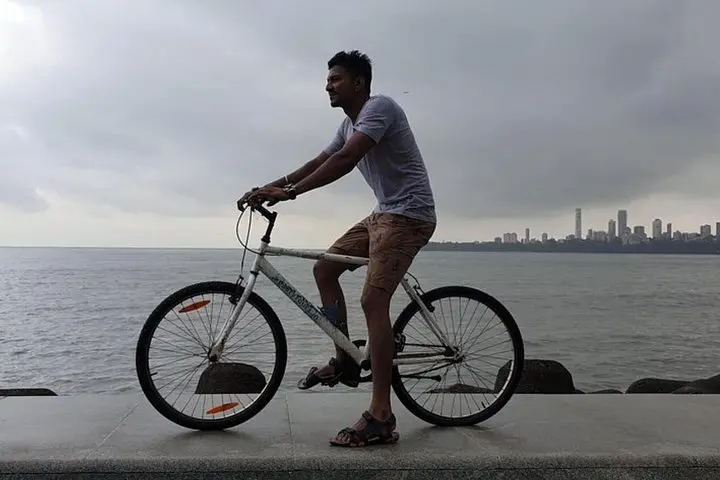
This route stitches together Mumbai’s colonial past and present commerce: Victorian Gothic at Mumbai University and the UNESCO-listed Chhatrapati Shivaji Maharaj Terminus sit shoulder-to-shoulder with Crawford and Mangaldas markets where produce, fabric and jewelry spill into alleys. Marine Drive traces the shoreline—the sea pushes forward in a steady hiss—offering wide views and a cool counterpoint to the city’s heat. The ride crosses pavement, occasional cobbles and busy junctions but avoids steep climbs; expect roughly 2–3 hours and mostly flat city streets.
Culturally, the tour exposes layers of trade and faith: Zaveri Bazaar’s gold traders and the Mumba Devi shrine remind riders that commerce and devotion have shaped the city for centuries. Geologically, Mumbai’s reclaimed coast gives the shoreline a man-made clarity—this is urban coastline, not wild beach.
Practical guidance follows the narrative: start at dawn to bypass traffic and heat, keep a steady single-file pace in traffic, and carry water—bottled water is usually provided but refillable bottles are best. Wear closed shoes and a helmet, and be ready to dismount in crowded markets. Guides handle directions and local interactions; riders should bring ID and small cash for purchases. The route is accessible for most riders and offers a direct, layered view of Mumbai’s streets—fast, sensory and unvarnished.
This is an easy urban ride with minimal hills; riders should be comfortable cycling at a relaxed pace for up to three hours.
Standard city or hybrid bikes are used; guides check brakes and tires before departure and can adjust seats for comfort.
Most guides speak English and local languages; private tours may accommodate other languages on request.
Tours may be rescheduled during heavy monsoon downpours; check the cancellation policy and contact the operator if rain is forecast.
The Mumbai Tours operates guided outdoor trips and adventures with an emphasis on safety, stewardship, and memorable experiences.
Pedaling out of Colaba at first light, riders move between stone monuments and the Arabian Sea’s salt-scented breeze. The Gateway of India rises like a city gate, the road beneath your wheels flat and firm as you thread through Gothic facades, market stalls and murals that mark Kala Ghoda’s creative pulse.
Pedaling out of Colaba at first light, riders move between stone monuments and the Arabian Sea’s salt-scented breeze. The Gateway of India rises like a city gate, the road beneath your wheels flat and firm as you thread through Gothic facades, market stalls and murals that mark Kala Ghoda’s creative pulse.
This route stitches together Mumbai’s colonial past and present commerce: Victorian Gothic at Mumbai University and the UNESCO-listed Chhatrapati Shivaji Maharaj Terminus sit shoulder-to-shoulder with Crawford and Mangaldas markets where produce, fabric and jewelry spill into alleys. Marine Drive traces the shoreline—the sea pushes forward in a steady hiss—offering wide views and a cool counterpoint to the city’s heat. The ride crosses pavement, occasional cobbles and busy junctions but avoids steep climbs; expect roughly 2–3 hours and mostly flat city streets.
Culturally, the tour exposes layers of trade and faith: Zaveri Bazaar’s gold traders and the Mumba Devi shrine remind riders that commerce and devotion have shaped the city for centuries. Geologically, Mumbai’s reclaimed coast gives the shoreline a man-made clarity—this is urban coastline, not wild beach.
Practical guidance follows the narrative: start at dawn to bypass traffic and heat, keep a steady single-file pace in traffic, and carry water—bottled water is usually provided but refillable bottles are best. Wear closed shoes and a helmet, and be ready to dismount in crowded markets. Guides handle directions and local interactions; riders should bring ID and small cash for purchases. The route is accessible for most riders and offers a direct, layered view of Mumbai’s streets—fast, sensory and unvarnished.