THE ADVENTURE COLLECTIVE® · Independent discovery and booking for outdoor travel

See Rome on two wheels: a practical, efficient way to move between ancient monuments, leafy parks, and lively neighborhoods. This rental gives riders flexibility—from quick landmark loops to full-day explorations along quieter green corridors.
See Rome on two wheels: a practical, efficient way to move between ancient monuments, leafy parks, and lively neighborhoods. This rental gives riders flexibility—from quick landmark loops to full-day explorations along quieter green corridors.
You push off from a modest meeting point and within minutes cobblestones, piazzas, and plane trees are an immediate company. The city breathes around you: the Tiber meanders with a slow, knowing patience, fountains send a cool spray toward sunlit alleys, and traffic briefly yields to pedal power as you thread between monuments.
Verified experiences and guided adventures in the surrounding area.
Operated by TOURISTATION · Rome, Lazio
You push off from a modest meeting point and within minutes cobblestones, piazzas, and plane trees are an immediate company. The city breathes around you: the Tiber meanders with a slow, knowing patience, fountains send a cool spray toward sunlit alleys, and traffic briefly yields to pedal power as you thread between monuments.
Rome’s streets are an open-air museum layered over volcanic tuff and ancient roadbeds. Cycling here compresses centuries—Republican forums, Baroque piazzas, and 19th-century boulevards—into a sequence of short rides. The seven hills still shape sightlines; the river and green lungs like Villa Borghese offer relief from traffic and hot afternoons.
Culturally, biking peels back neighborhoods: Trastevere’s narrow lanes and Campo de’ Fiori’s market rhythms contrast with wide avenues by the Vatican. Expect a mix of smooth asphalt, worn cobbles, and park paths. The geology is quiet but present—lime-based masonry and pumice in historic structures, and the Tiber’s gravelly banks where waders once moored boats.
Practically, rentals are straightforward: well-maintained city or hybrid bikes, helmets, locks, and bags. Two-hour options suit landmark runs; day rentals let you take quieter green corridors and finish with an aperitivo. Watch for tram tracks, bus lanes, and bold motorists—assertive but predictable.
Pack a small lock, carry water, and plan rides for early morning or late afternoon to avoid heat and heavy traffic. Modest bike-handling skills and attentiveness reward you with a more immediate, efficient way to see Rome—fast enough to cover ground, slow enough to notice the details.
Most rentals provide helmets, but you can bring your own for a preferred fit or hygiene reasons.
Options include fixed two-hour rentals or full-day rentals; you can choose based on whether you want a quick loop or extended exploration.
You can cycle through many central areas, but some pedestrianized zones and archaeological sites restrict cycling—dismount and walk in those places.
With basic urban riding skills and awareness, beginners can ride safely—avoid rush-hour streets, stick to parks and bike lanes where possible, and follow local traffic rules.
TOURISTATION operates guided outdoor trips and adventures with an emphasis on safety, stewardship, and memorable experiences.

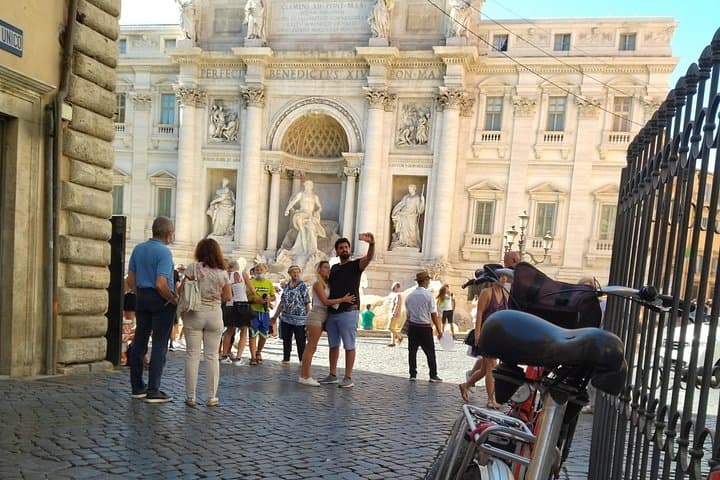
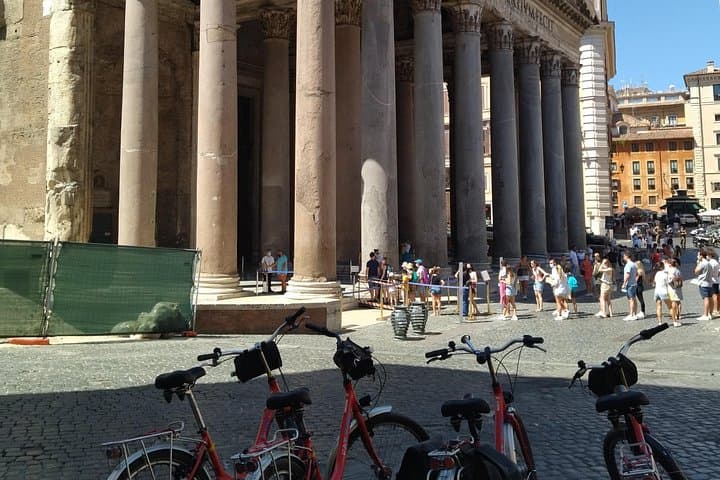
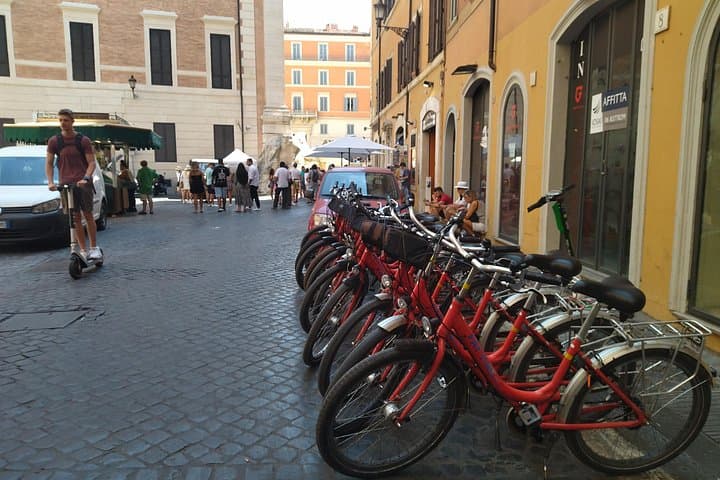
You push off from a modest meeting point and within minutes cobblestones, piazzas, and plane trees are an immediate company. The city breathes around you: the Tiber meanders with a slow, knowing patience, fountains send a cool spray toward sunlit alleys, and traffic briefly yields to pedal power as you thread between monuments.
You push off from a modest meeting point and within minutes cobblestones, piazzas, and plane trees are an immediate company. The city breathes around you: the Tiber meanders with a slow, knowing patience, fountains send a cool spray toward sunlit alleys, and traffic briefly yields to pedal power as you thread between monuments.
Rome’s streets are an open-air museum layered over volcanic tuff and ancient roadbeds. Cycling here compresses centuries—Republican forums, Baroque piazzas, and 19th-century boulevards—into a sequence of short rides. The seven hills still shape sightlines; the river and green lungs like Villa Borghese offer relief from traffic and hot afternoons.
Culturally, biking peels back neighborhoods: Trastevere’s narrow lanes and Campo de’ Fiori’s market rhythms contrast with wide avenues by the Vatican. Expect a mix of smooth asphalt, worn cobbles, and park paths. The geology is quiet but present—lime-based masonry and pumice in historic structures, and the Tiber’s gravelly banks where waders once moored boats.
Practically, rentals are straightforward: well-maintained city or hybrid bikes, helmets, locks, and bags. Two-hour options suit landmark runs; day rentals let you take quieter green corridors and finish with an aperitivo. Watch for tram tracks, bus lanes, and bold motorists—assertive but predictable.
Pack a small lock, carry water, and plan rides for early morning or late afternoon to avoid heat and heavy traffic. Modest bike-handling skills and attentiveness reward you with a more immediate, efficient way to see Rome—fast enough to cover ground, slow enough to notice the details.