THE ADVENTURE COLLECTIVE® · Independent discovery and booking for outdoor travel

Cross São Paulo’s Billings Reservoir to Bororé Island for an eco-focused day of permaculture, community projects and local culture. Expect boat crossings, a historic village walk, organic meals and hands-on agroecology.
Cross São Paulo’s Billings Reservoir to Bororé Island for an eco-focused day of permaculture, community projects and local culture. Expect boat crossings, a historic village walk, organic meals and hands-on agroecology.
You step aboard at Grajaú as the city’s edge thins and the reservoir opens—water pulling sunlight into a hard, moving mirror. The boat hums, reeds lean like curious neighbors, and the pilothouse charts a steady path toward Bororé Island, where social projects and agroecology meet the reservoir’s wild edges.
Verified experiences and guided adventures in the surrounding area.
Operated by EnLeVe · São Paulo, São Paulo
You step aboard at Grajaú as the city’s edge thins and the reservoir opens—water pulling sunlight into a hard, moving mirror. The boat hums, reeds lean like curious neighbors, and the pilothouse charts a steady path toward Bororé Island, where social projects and agroecology meet the reservoir’s wild edges.
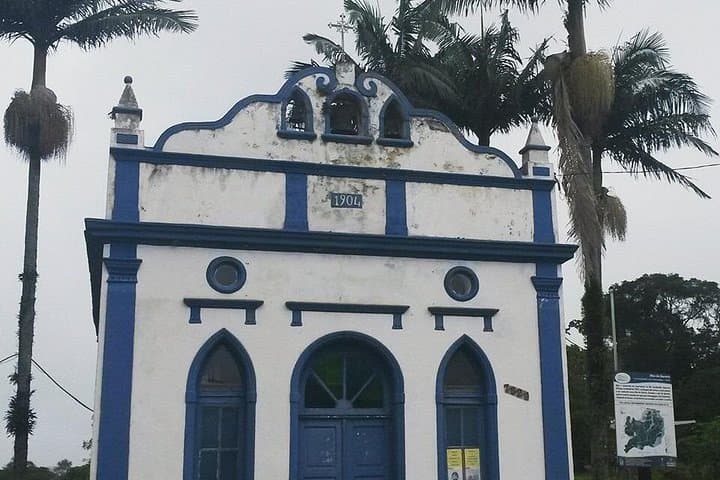
The Billings Reservoir was reshaped in the early-to-mid 20th century to supply São Paulo and drive industry; its margins now hold a layered history of rivers, settlements, and remnant forests. Bororé’s village keeps century-old structures—a 1904 chapel and a bar aging cachaça in cambuci—that speak to local craft and memory. Geology here is simple: shoals, shallow lagoons and alluvial soil where herons nest and aquatic plants push the shoreline forward each season.
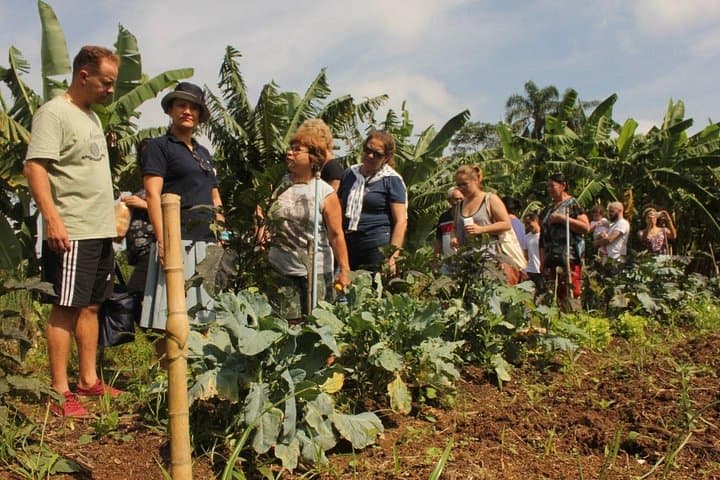
Expect a mix of calm cruising and exploratory stops: Casa Ecoativa for permaculture demos and an organic breakfast, a hands-on agroecology visit at the Paiquerê site, a walk through the historic village and murals, then an organic lunch beside the water. Guides frame each visit with social context—community projects, education and local livelihoods—and close with a conversation wheel to share learning.
Practical notes: the day is long (8–12 hours); wear sturdy, closed shoes for the village walk, bring sun and insect protection, and pack a refillable bottle—the boat limits single-use waste. Accessibility and private transfer are available; the pace is unhurried but expect boat motion and uneven village paths. This trip pairs civic learning with simple, waterborne adventure—an urban reservoir that still dares you to look closer.
The experience runs about 8–12 hours and includes private transportation, organic breakfast and lunch, boat crossings, and guided visits to Casa Ecoativa and the Paiquerê agroecology site.
The operator lists wheelchair-accessible transportation and surfaces at select sites, but village paths include uneven ground—check specific accessibility needs when booking.
Yes—infants must sit on an adult’s lap; the tour is family-friendly with social projects and hands-on activities suitable for older children.
The tour may be canceled for bad weather; you will be notified and eligible for a full refund if canceled at least 24 hours prior per the cancellation policy.
EnLeVe operates guided outdoor trips and adventures with an emphasis on safety, stewardship, and memorable experiences.
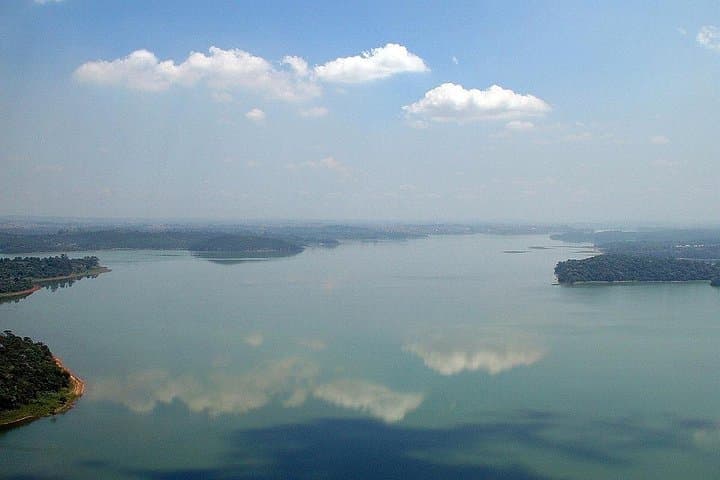

You step aboard at Grajaú as the city’s edge thins and the reservoir opens—water pulling sunlight into a hard, moving mirror. The boat hums, reeds lean like curious neighbors, and the pilothouse charts a steady path toward Bororé Island, where social projects and agroecology meet the reservoir’s wild edges.
You step aboard at Grajaú as the city’s edge thins and the reservoir opens—water pulling sunlight into a hard, moving mirror. The boat hums, reeds lean like curious neighbors, and the pilothouse charts a steady path toward Bororé Island, where social projects and agroecology meet the reservoir’s wild edges.
The Billings Reservoir was reshaped in the early-to-mid 20th century to supply São Paulo and drive industry; its margins now hold a layered history of rivers, settlements, and remnant forests. Bororé’s village keeps century-old structures—a 1904 chapel and a bar aging cachaça in cambuci—that speak to local craft and memory. Geology here is simple: shoals, shallow lagoons and alluvial soil where herons nest and aquatic plants push the shoreline forward each season.
Expect a mix of calm cruising and exploratory stops: Casa Ecoativa for permaculture demos and an organic breakfast, a hands-on agroecology visit at the Paiquerê site, a walk through the historic village and murals, then an organic lunch beside the water. Guides frame each visit with social context—community projects, education and local livelihoods—and close with a conversation wheel to share learning.
Practical notes: the day is long (8–12 hours); wear sturdy, closed shoes for the village walk, bring sun and insect protection, and pack a refillable bottle—the boat limits single-use waste. Accessibility and private transfer are available; the pace is unhurried but expect boat motion and uneven village paths. This trip pairs civic learning with simple, waterborne adventure—an urban reservoir that still dares you to look closer.