THE ADVENTURE COLLECTIVE® · Independent discovery and booking for outdoor travel

Walk the bustling streets of Binondo with a local guide and taste the layered heritage of Manila’s Chinatown — from century-old churches to smoky street kitchens. Expect a 3–4 hour, mostly flat route with multiple tastings and cultural stops.
Walk the bustling streets of Binondo with a local guide and taste the layered heritage of Manila’s Chinatown — from century-old churches to smoky street kitchens. Expect a 3–4 hour, mostly flat route with multiple tastings and cultural stops.
Morning light pours between low-rise shop-houses as steam and coconut smoke lift from woks — Binondo feels alive in a way that makes you move faster to keep up. On this walking tour the streets do the talking: Escolta’s old commercial facades, the bell of the centuries-old Binondo church, and alleyways where vendors line up steamed buns like offerings.
Verified experiences and guided adventures in the surrounding area.
Operated by ForeverVacation · Manila, Metro Manila
Morning light pours between low-rise shop-houses as steam and coconut smoke lift from woks — Binondo feels alive in a way that makes you move faster to keep up. On this walking tour the streets do the talking: Escolta’s old commercial facades, the bell of the centuries-old Binondo church, and alleyways where vendors line up steamed buns like offerings.
Binondo is one of the oldest Chinatowns in the world, founded under Spanish rule in the late 16th century as a settlement for Chinese migrants. The neighborhood sits on Manila’s alluvial plain near the Pasig River and Manila Bay, which historically made it a mercantile hub; stone, wood, and concrete facades show layers of commerce and migration across centuries.
Culturally this is where Filipino and Chinese traditions meet — temples, churches, herb shops, and street kitchens rubbing shoulders. Expect bright herbal aromas, hand-pulled noodles, lumpia stands, and small ancestral altars tucked into shopfronts. Guides explain the significance of places like Ongpin and Escolta while pointing out local specialties and the small-family businesses that keep recipes alive.
Practical guidance: the route is mostly flat and paved, covering roughly 3–4 kilometers over about 3–4 hours with frequent stops for tastings and short heritage visits. Wear broken-in walking shoes, carry small bills for cash-only stalls, and bring a hat and water — Manila’s sun and crowds add up quickly. Morning departures beat heat and give you livelier market scenes; be respectful in temples and when photographing people. This experience is ideal for curious food lovers who want local context as much as flavor.
Yes — the tour description lists food tastings and lunch as included, along with bottled water and entrance fees where applicable.
Yes — the operator notes it is suitable for all fitness levels and offers infant seats; confirm needs at booking.
Most guides can arrange alternatives if notified in advance; indicate vegetarian or allergy needs when booking.
Yes — the tour includes hotel pickup and drop-off by air-conditioned vehicle; meeting points are available if you prefer a central rendezvous.
ForeverVacation operates guided outdoor trips and adventures with an emphasis on safety, stewardship, and memorable experiences.
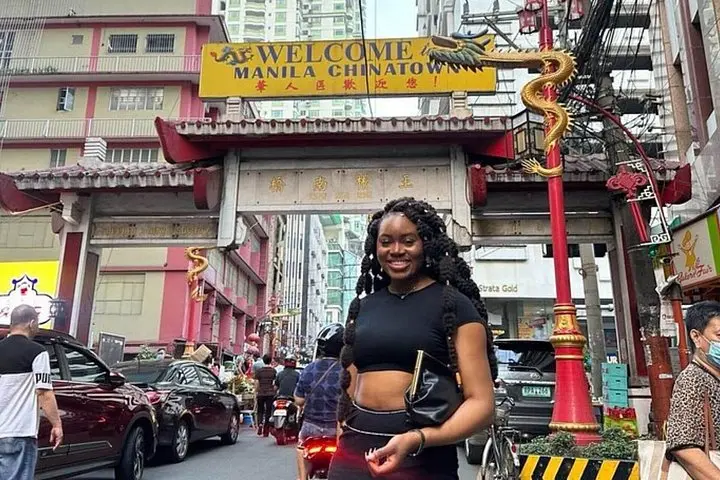
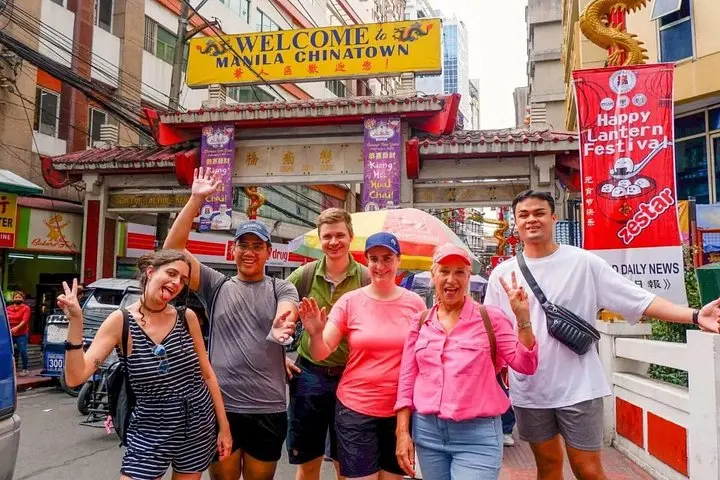
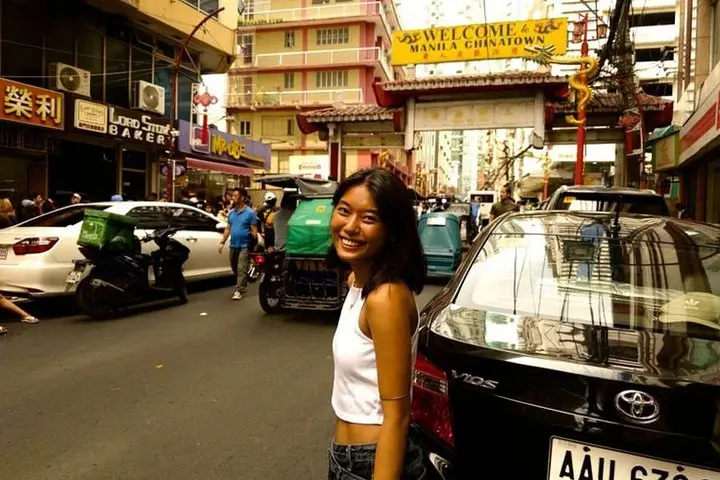
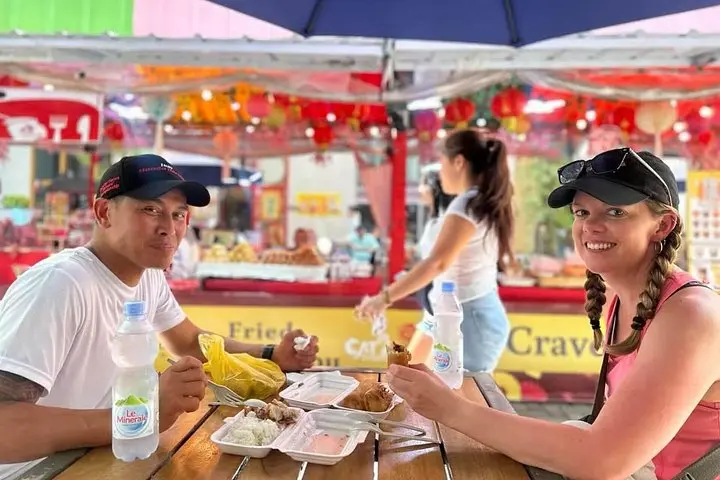
Morning light pours between low-rise shop-houses as steam and coconut smoke lift from woks — Binondo feels alive in a way that makes you move faster to keep up. On this walking tour the streets do the talking: Escolta’s old commercial facades, the bell of the centuries-old Binondo church, and alleyways where vendors line up steamed buns like offerings.
Morning light pours between low-rise shop-houses as steam and coconut smoke lift from woks — Binondo feels alive in a way that makes you move faster to keep up. On this walking tour the streets do the talking: Escolta’s old commercial facades, the bell of the centuries-old Binondo church, and alleyways where vendors line up steamed buns like offerings.
Binondo is one of the oldest Chinatowns in the world, founded under Spanish rule in the late 16th century as a settlement for Chinese migrants. The neighborhood sits on Manila’s alluvial plain near the Pasig River and Manila Bay, which historically made it a mercantile hub; stone, wood, and concrete facades show layers of commerce and migration across centuries.
Culturally this is where Filipino and Chinese traditions meet — temples, churches, herb shops, and street kitchens rubbing shoulders. Expect bright herbal aromas, hand-pulled noodles, lumpia stands, and small ancestral altars tucked into shopfronts. Guides explain the significance of places like Ongpin and Escolta while pointing out local specialties and the small-family businesses that keep recipes alive.
Practical guidance: the route is mostly flat and paved, covering roughly 3–4 kilometers over about 3–4 hours with frequent stops for tastings and short heritage visits. Wear broken-in walking shoes, carry small bills for cash-only stalls, and bring a hat and water — Manila’s sun and crowds add up quickly. Morning departures beat heat and give you livelier market scenes; be respectful in temples and when photographing people. This experience is ideal for curious food lovers who want local context as much as flavor.