THE ADVENTURE COLLECTIVE® · Independent discovery and booking for outdoor travel

Walk through Manila’s historic Binondo—one of the world’s oldest Chinatowns—on a two-hour guided tour focused on street food, heritage sites, and cultural fusion. Learn where to eat, what to see, and how to move through crowded lanes like a local.
Walk through Manila’s historic Binondo—one of the world’s oldest Chinatowns—on a two-hour guided tour focused on street food, heritage sites, and cultural fusion. Learn where to eat, what to see, and how to move through crowded lanes like a local.
You step off a tricycle and the street takes the lead: slick cobbles, calloused shopfronts, and a trail of sizzling woks that seem to breathe steam into the morning. Binondo’s lanes push you forward—markets crowded like conversations, neon signs steeped in decades of trade, and the scent of fried dough pulling you toward Ongpin Street.
Verified experiences and guided adventures in the surrounding area.
Operated by MstarToursPh · Manila, Metro Manila
You step off a tricycle and the street takes the lead: slick cobbles, calloused shopfronts, and a trail of sizzling woks that seem to breathe steam into the morning. Binondo’s lanes push you forward—markets crowded like conversations, neon signs steeped in decades of trade, and the scent of fried dough pulling you toward Ongpin Street.
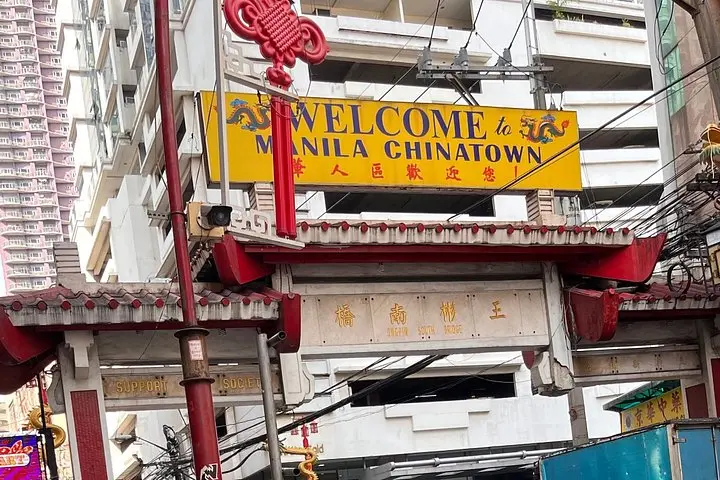
Founded in the 16th century as a settlement for Chinese migrants, Binondo is one of the world’s oldest Chinatowns. Built on flat riverine land where the Pasig River meets Manila Bay, its streets reflect layers of Spanish colonial grids, Chinese merchant routes, and modern Filipino commerce. Cultural fusion here is literal: dishes and storefronts mix Cantonese, Fujianese and Filipino flavors and practices.
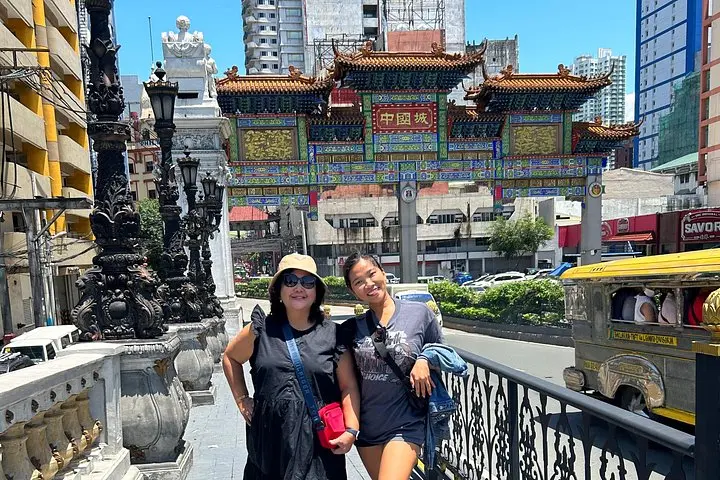
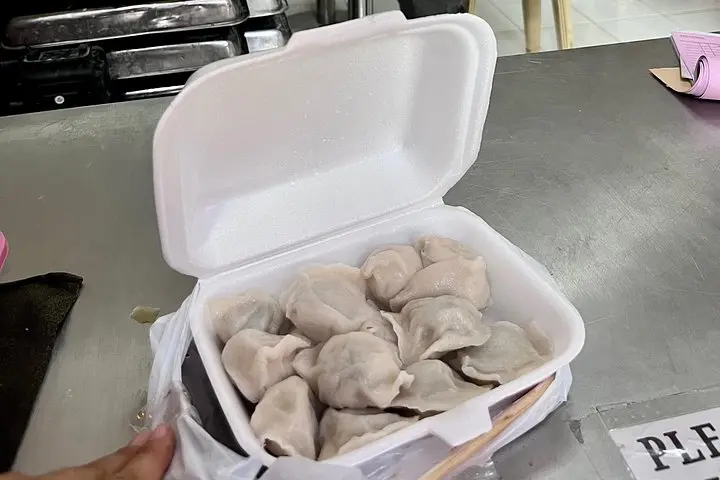
A guided walking tour uncovers small temples, heritage façades, and hawker-style eats—hopia, lumpia, and noodle shops where recipes have been refined across generations. Expect tight alleys, bustling wet markets selling produce and dried seafood, and occasional quiet courtyards tucked off main thoroughfares.
Practical guidance: tours run about two hours and move at an easy pace but involve constant standing and short stairways. Bring small bills for street food, comfortable closed-toe shoes for crowded alleys, and a refillable bottle—vendors sometimes offer water but not always. Avoid peak heat; mornings and late afternoons are best for food lines and photography. Respect private storefronts and ask before photographing people. The tour is low-impact physically but high on sensory intensity—come curious and hungry.
No; the tour may stop at multiple food vendors but food purchases are paid on your own—bring cash for snacks.
Yes—most travelers can participate, though the tour involves walking and standing; alert the guide to any mobility limits.
Binondo’s narrow streets and crowded markets make wheeled access difficult; contact the operator to discuss specific accessibility needs.
The tour lasts about two hours and typically shares with small groups (up to 10 travelers), offering a conversational pace and frequent stops.
MstarToursPh operates guided outdoor trips and adventures with an emphasis on safety, stewardship, and memorable experiences.
You step off a tricycle and the street takes the lead: slick cobbles, calloused shopfronts, and a trail of sizzling woks that seem to breathe steam into the morning. Binondo’s lanes push you forward—markets crowded like conversations, neon signs steeped in decades of trade, and the scent of fried dough pulling you toward Ongpin Street.
You step off a tricycle and the street takes the lead: slick cobbles, calloused shopfronts, and a trail of sizzling woks that seem to breathe steam into the morning. Binondo’s lanes push you forward—markets crowded like conversations, neon signs steeped in decades of trade, and the scent of fried dough pulling you toward Ongpin Street.
Founded in the 16th century as a settlement for Chinese migrants, Binondo is one of the world’s oldest Chinatowns. Built on flat riverine land where the Pasig River meets Manila Bay, its streets reflect layers of Spanish colonial grids, Chinese merchant routes, and modern Filipino commerce. Cultural fusion here is literal: dishes and storefronts mix Cantonese, Fujianese and Filipino flavors and practices.
A guided walking tour uncovers small temples, heritage façades, and hawker-style eats—hopia, lumpia, and noodle shops where recipes have been refined across generations. Expect tight alleys, bustling wet markets selling produce and dried seafood, and occasional quiet courtyards tucked off main thoroughfares.
Practical guidance: tours run about two hours and move at an easy pace but involve constant standing and short stairways. Bring small bills for street food, comfortable closed-toe shoes for crowded alleys, and a refillable bottle—vendors sometimes offer water but not always. Avoid peak heat; mornings and late afternoons are best for food lines and photography. Respect private storefronts and ask before photographing people. The tour is low-impact physically but high on sensory intensity—come curious and hungry.