THE ADVENTURE COLLECTIVE® · Independent discovery and booking for outdoor travel

Two days of ferry crossings, temples, mangroves and seafood: this compact Bintan–Batam tour trades the Singapore skyline for coastal views, local cuisine, and accessible cultural sites. Read on for what to expect and how to prepare.
Two days of ferry crossings, temples, mangroves and seafood: this compact Bintan–Batam tour trades the Singapore skyline for coastal views, local cuisine, and accessible cultural sites. Read on for what to expect and how to prepare.
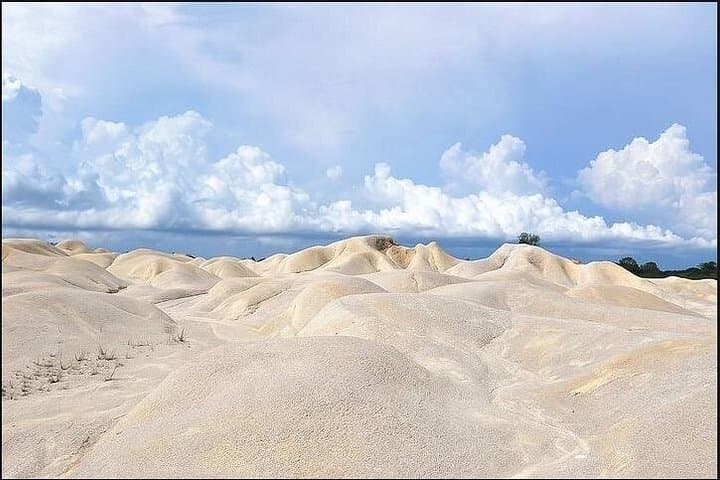
You step off the ferry into warm island air, the sea still clinging to your hair and the city skyline behind you shrinking into a distant ribbon. Guides meet you with a sign and a plan: two days that trade Singapore’s high-rises for coastal roads, white sand dunes, and low-slung temples.
Verified experiences and guided adventures in the surrounding area.
Operated by Batam Private Tours · Batam, Riau Islands
You step off the ferry into warm island air, the sea still clinging to your hair and the city skyline behind you shrinking into a distant ribbon. Guides meet you with a sign and a plan: two days that trade Singapore’s high-rises for coastal roads, white sand dunes, and low-slung temples.
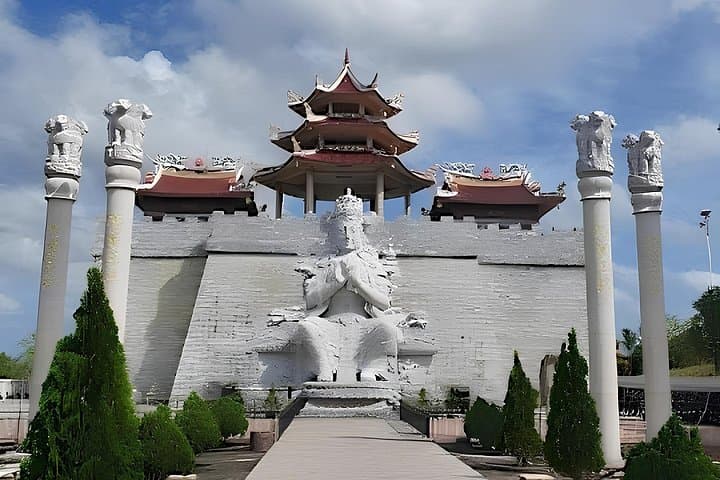
Bintan and Batam sit on the edge of the Malay world—geologically young islands of volcanic and sedimentary deposits shaped by tides and monsoons. Lohan and Mahayana temples reflect centuries of trans-Asian maritime faith, while Barelang’s chain of bridges marks Batam’s mid-20th-century development push. Local kitchens preserve Malay and Peranakan recipes; kue lapis and freshly roasted Luwak coffee are as much cultural artifacts as treats.
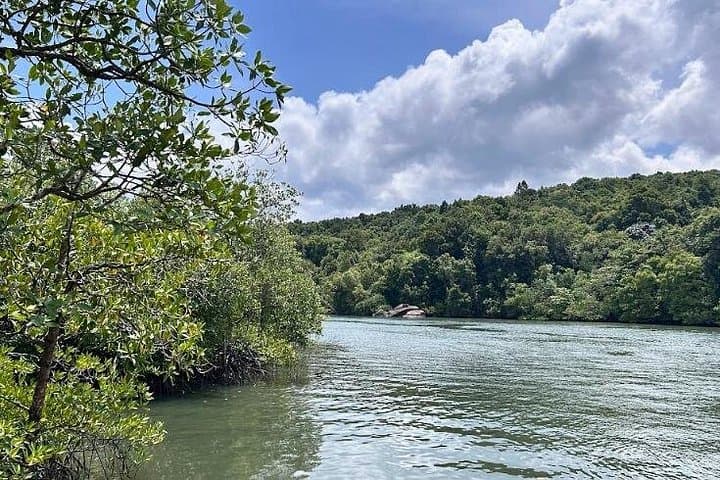
Expect close-up culture rather than wilderness: temple courtyards, mangrove cruises, dune viewpoints, seafood lunches by the water, and a sunset at a pink-sand beach club. Terrain is easy—paved roads, short boardwalks, and flat sand—so the trip favors attentive travelers who want depth without strenuous hiking.
Practical notes: ferry crossings and immigration require passports and modest queues—carry photocopies and keep valuables water-resistant. Aim for early departures to avoid midday heat, and plan massage and meal stops into the day; they’re part of the rhythm here. Lightweight layers, sun protection, and comfortable walking shoes will keep you moving between photo stops and cultural visits.
This itinerary is ideal if you want a compact, sensory immersion in Riau Islands culture with reliable logistics and a balance of relaxation and exploration.
Most nationalities can enter Indonesia visa-free for short stays, but check current visa rules for your passport and ensure your passport has sufficient validity.
Crossings vary: Singapore to Bintan is roughly 60–120 minutes depending on the route; the Bintan–Batam leg is about 60–90 minutes as listed in the itinerary.
Menus generally include vegetarian options and halal meals—notify the operator at booking for specific dietary needs.
The tour is physically easy and stroller-accessible in many places, but it’s not recommended for travelers with serious spinal or cardiovascular conditions; check specifics with the operator.
Batam Private Tours operates guided outdoor trips and adventures with an emphasis on safety, stewardship, and memorable experiences.

You step off the ferry into warm island air, the sea still clinging to your hair and the city skyline behind you shrinking into a distant ribbon. Guides meet you with a sign and a plan: two days that trade Singapore’s high-rises for coastal roads, white sand dunes, and low-slung temples.
You step off the ferry into warm island air, the sea still clinging to your hair and the city skyline behind you shrinking into a distant ribbon. Guides meet you with a sign and a plan: two days that trade Singapore’s high-rises for coastal roads, white sand dunes, and low-slung temples.
Bintan and Batam sit on the edge of the Malay world—geologically young islands of volcanic and sedimentary deposits shaped by tides and monsoons. Lohan and Mahayana temples reflect centuries of trans-Asian maritime faith, while Barelang’s chain of bridges marks Batam’s mid-20th-century development push. Local kitchens preserve Malay and Peranakan recipes; kue lapis and freshly roasted Luwak coffee are as much cultural artifacts as treats.
Expect close-up culture rather than wilderness: temple courtyards, mangrove cruises, dune viewpoints, seafood lunches by the water, and a sunset at a pink-sand beach club. Terrain is easy—paved roads, short boardwalks, and flat sand—so the trip favors attentive travelers who want depth without strenuous hiking.
Practical notes: ferry crossings and immigration require passports and modest queues—carry photocopies and keep valuables water-resistant. Aim for early departures to avoid midday heat, and plan massage and meal stops into the day; they’re part of the rhythm here. Lightweight layers, sun protection, and comfortable walking shoes will keep you moving between photo stops and cultural visits.
This itinerary is ideal if you want a compact, sensory immersion in Riau Islands culture with reliable logistics and a balance of relaxation and exploration.