THE ADVENTURE COLLECTIVE® · Independent discovery and booking for outdoor travel

Explore the lush ravine of Barranca del Cupatitzio on a focused three-hour birding walk. A guide supplies optics and local natural-history context as you search shaded channels and waterfalls for resident and migratory species.
Explore the lush ravine of Barranca del Cupatitzio on a focused three-hour birding walk. A guide supplies optics and local natural-history context as you search shaded channels and waterfalls for resident and migratory species.
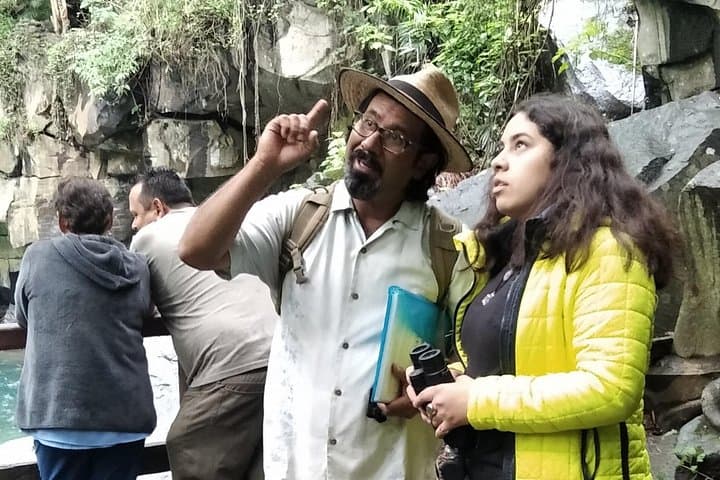
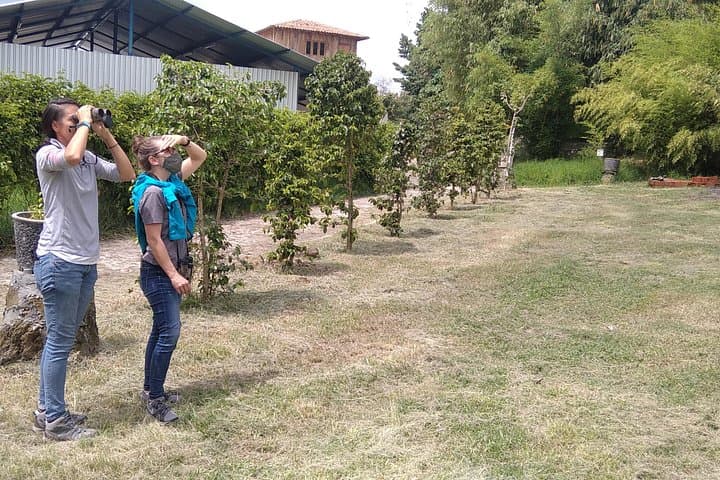
Mist rises from stone channels and the Cupatitzio river threads through a green cleft of the city—Barranca del Cupatitzio greets you with falling water and a chorus of wings. On a guided three-hour birding walk you'll move from paved paths into quieter side ravines, binoculars at the ready, listening for quick metallic calls and the tiny hum of nectar-feeding birds.
Verified experiences and guided adventures in the surrounding area.
Operated by Renato Hinojosa Blanco · Uruapan, Michoacán
Mist rises from stone channels and the Cupatitzio river threads through a green cleft of the city—Barranca del Cupatitzio greets you with falling water and a chorus of wings. On a guided three-hour birding walk you'll move from paved paths into quieter side ravines, binoculars at the ready, listening for quick metallic calls and the tiny hum of nectar-feeding birds.
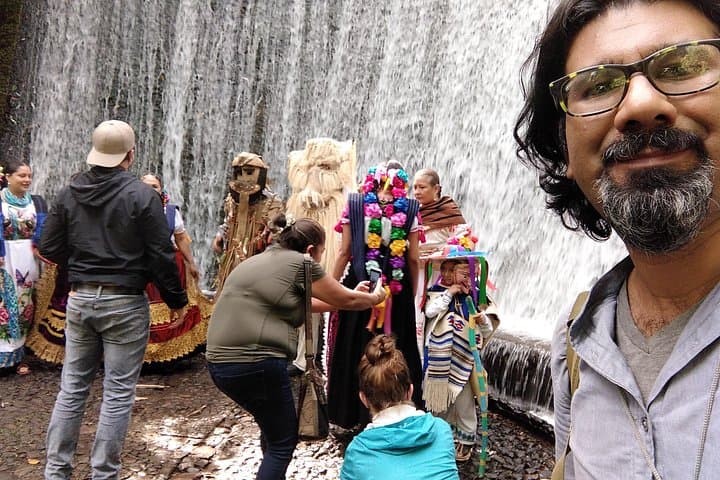
The park follows a deep ravine carved by groundwater springs; its stone waterworks and small colonial-era mills speak to Uruapan's long relationship with irrigation and huertas (orchards). The landscape is shaped by local volcanic soils and year-round springs that keep moss and ferns bright, creating microhabitats for resident and migratory species. Guides here often weave natural history with Purépecha cultural notes—how local families have used and cared for these springs for generations.
Expect narrow trails, stairs, and shaded observation points where the guide will lend professional binoculars and point out identifying field marks. The environment favors early-morning visits when birds are most active and light is best for viewing.
Practical guidance: wear supportive shoes with good traction for stone steps and damp trails; bring water and a light rain layer—springs can make the air cool and humid. Keep voices low and move deliberately to increase sightings. The tour is small-group (max six), accessible by public transit from central Uruapan, and not recommended for guests with serious knee issues due to stair sections. Leave no trace: the park’s springs are fragile and depend on low-impact tourism to remain healthy.
Yes—professional binoculars are provided as part of the tour, though you may bring your own if preferred.
The route includes many stairs and uneven sections, so it’s not recommended for guests with significant knee or mobility issues.
Barranca del Cupatitzio is a short taxi or local bus ride from central Uruapan; ask the guide or your hotel for the current local transit options.
Migratory seasons (spring and fall) increase species diversity, but resident hummingbirds and woodpeckers can be seen year-round.
Renato Hinojosa Blanco operates guided outdoor trips and adventures with an emphasis on safety, stewardship, and memorable experiences.
Mist rises from stone channels and the Cupatitzio river threads through a green cleft of the city—Barranca del Cupatitzio greets you with falling water and a chorus of wings. On a guided three-hour birding walk you'll move from paved paths into quieter side ravines, binoculars at the ready, listening for quick metallic calls and the tiny hum of nectar-feeding birds.
Mist rises from stone channels and the Cupatitzio river threads through a green cleft of the city—Barranca del Cupatitzio greets you with falling water and a chorus of wings. On a guided three-hour birding walk you'll move from paved paths into quieter side ravines, binoculars at the ready, listening for quick metallic calls and the tiny hum of nectar-feeding birds.
The park follows a deep ravine carved by groundwater springs; its stone waterworks and small colonial-era mills speak to Uruapan's long relationship with irrigation and huertas (orchards). The landscape is shaped by local volcanic soils and year-round springs that keep moss and ferns bright, creating microhabitats for resident and migratory species. Guides here often weave natural history with Purépecha cultural notes—how local families have used and cared for these springs for generations.
Expect narrow trails, stairs, and shaded observation points where the guide will lend professional binoculars and point out identifying field marks. The environment favors early-morning visits when birds are most active and light is best for viewing.
Practical guidance: wear supportive shoes with good traction for stone steps and damp trails; bring water and a light rain layer—springs can make the air cool and humid. Keep voices low and move deliberately to increase sightings. The tour is small-group (max six), accessible by public transit from central Uruapan, and not recommended for guests with serious knee issues due to stair sections. Leave no trace: the park’s springs are fragile and depend on low-impact tourism to remain healthy.