THE ADVENTURE COLLECTIVE® · Independent discovery and booking for outdoor travel

Explore Colombo’s surprising birdlife on a six‑hour urban birding tour that visits pocket wetlands and parks. This practical guide outlines what to expect, when to go, and how to prepare for productive, low‑impact observation.
Explore Colombo’s surprising birdlife on a six‑hour urban birding tour that visits pocket wetlands and parks. This practical guide outlines what to expect, when to go, and how to prepare for productive, low‑impact observation.
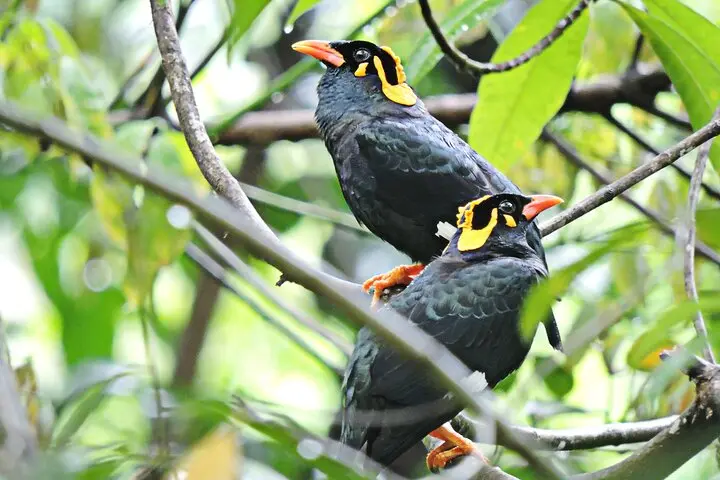
You step off the tuk‑tuk into a ribbon of green between concrete — reeds rustle and a kingfisher flashes like a brushstroke of cobalt. In Colombo, birding often begins in small wetlands and parks where city noise yields to wingbeats and urgent calls.
Verified experiences and guided adventures in the surrounding area.
Operated by Sri Lanka Personalized Tours · Colombo, Western Province
You step off the tuk‑tuk into a ribbon of green between concrete — reeds rustle and a kingfisher flashes like a brushstroke of cobalt. In Colombo, birding often begins in small wetlands and parks where city noise yields to wingbeats and urgent calls.
Sri Lanka’s western littoral hosts mangroves, marshes and reclaimed wetlands shaped by a mix of tidal action and human alteration; many urban sites were once part of larger coastal floodplains that sustained fishing and rice polders under colonial rule. The island’s long history of natural history study means many common and endemic species are well documented, and modern citizen science (including thousands of eBird checklists) continues that work.
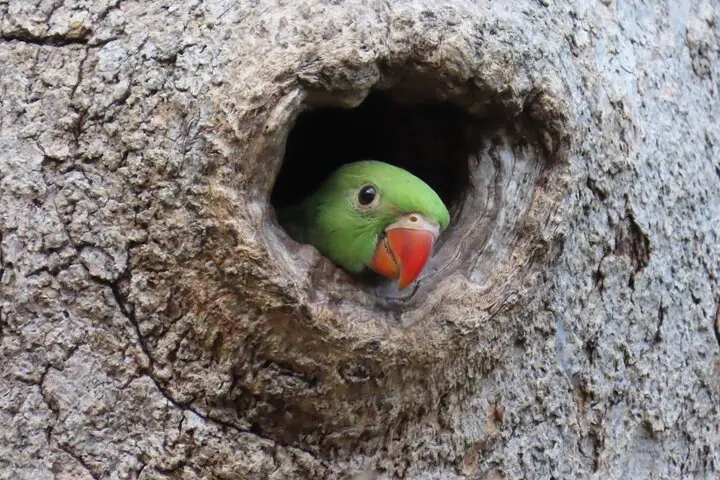
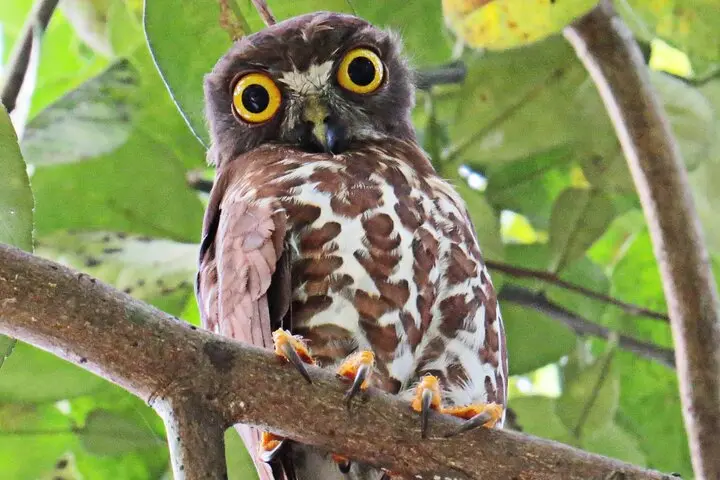
Expect a program that moves between pocket wetlands and quieter parks: waterbirds skimming low, sunbirds flickering in flowering shrubs, and macaques or monitor lizards near the water’s edge. Guides read the landscape — tidal channels, mangrove margins, and open lawn all tell where birds will gather.
Practical guidance: allow about six hours for an in‑depth urban tour with short walks and stationary observation. Bring mid‑powered binoculars (8x–10x), a field guide or app, sun protection and 1–2 liters of water; light, grippy shoes handle muddy boardwalks. Early morning is best for activity and cooler light; late afternoon can produce good wader movement. Respect roosts and nesting zones, keep voices low, and let the guide position the group to avoid flushing birds. With a willing ear and steady optics, Colombo’s city edges reveal a surprising, active bird world.
Expect to encounter roughly 25–50 species on a typical six‑hour urban tour; totals depend on season and specific sites visited.
Yes—walks are short and gentle; the tour is marked as suitable for most physical fitness levels, but inform the operator of mobility issues when booking.
The operator may cancel or reschedule for a full refund if severe weather prevents safe birding—light showers usually continue with waterproof gear.
Yes—private tours and optional visits to larger wetland sites about an hour from Colombo can be arranged if you have extra time.
Sri Lanka Personalized Tours operates guided outdoor trips and adventures with an emphasis on safety, stewardship, and memorable experiences.
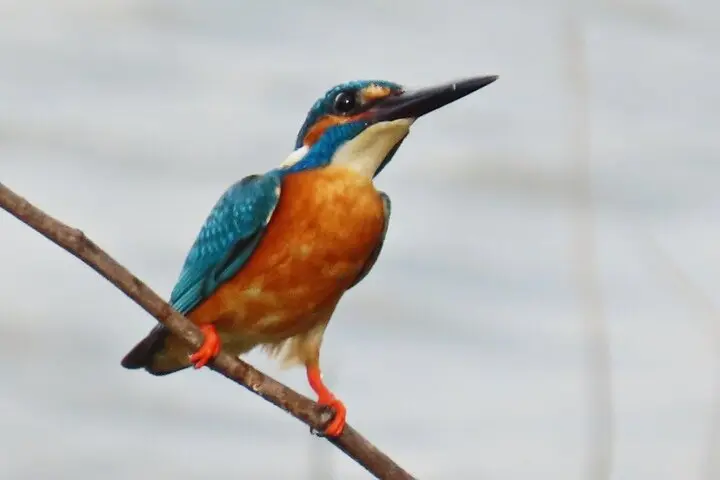
You step off the tuk‑tuk into a ribbon of green between concrete — reeds rustle and a kingfisher flashes like a brushstroke of cobalt. In Colombo, birding often begins in small wetlands and parks where city noise yields to wingbeats and urgent calls.
You step off the tuk‑tuk into a ribbon of green between concrete — reeds rustle and a kingfisher flashes like a brushstroke of cobalt. In Colombo, birding often begins in small wetlands and parks where city noise yields to wingbeats and urgent calls.
Sri Lanka’s western littoral hosts mangroves, marshes and reclaimed wetlands shaped by a mix of tidal action and human alteration; many urban sites were once part of larger coastal floodplains that sustained fishing and rice polders under colonial rule. The island’s long history of natural history study means many common and endemic species are well documented, and modern citizen science (including thousands of eBird checklists) continues that work.
Expect a program that moves between pocket wetlands and quieter parks: waterbirds skimming low, sunbirds flickering in flowering shrubs, and macaques or monitor lizards near the water’s edge. Guides read the landscape — tidal channels, mangrove margins, and open lawn all tell where birds will gather.
Practical guidance: allow about six hours for an in‑depth urban tour with short walks and stationary observation. Bring mid‑powered binoculars (8x–10x), a field guide or app, sun protection and 1–2 liters of water; light, grippy shoes handle muddy boardwalks. Early morning is best for activity and cooler light; late afternoon can produce good wader movement. Respect roosts and nesting zones, keep voices low, and let the guide position the group to avoid flushing birds. With a willing ear and steady optics, Colombo’s city edges reveal a surprising, active bird world.