THE ADVENTURE COLLECTIVE® · Independent discovery and booking for outdoor travel

Spend a focused half-day birding in Mosi-oa-Tunya National Park near Livingstone. This guided tour targets riverine and woodland species in a compact, accessible park beneath Victoria Falls.
Spend a focused half-day birding in Mosi-oa-Tunya National Park near Livingstone. This guided tour targets riverine and woodland species in a compact, accessible park beneath Victoria Falls.
You step out of the vehicle as the Zambezi's current murmurs like a living thing, and the air is already full of calls—high, sharp, liquid. The path threads along riverine forest and open grassland inside Mosi-oa-Tunya National Park, the compact protected area that hugs the Zambezi below Victoria Falls. In 2.5 hours a guide points out kingfishers at water's edge, raptors circling overhead, and small flocks that flash color through the trees.
Verified experiences and guided adventures in the surrounding area.
Operated by Tour All Africa · Livingstone, Southern Province
You step out of the vehicle as the Zambezi's current murmurs like a living thing, and the air is already full of calls—high, sharp, liquid. The path threads along riverine forest and open grassland inside Mosi-oa-Tunya National Park, the compact protected area that hugs the Zambezi below Victoria Falls. In 2.5 hours a guide points out kingfishers at water's edge, raptors circling overhead, and small flocks that flash color through the trees.
Mosi-oa-Tunya—"the smoke that thunders"—is Zambia's smallest national park, created to protect the riverside habitat below the falls and the species that depend on it. Geologically the park sits on basalt escarpments and alluvial floodplain; those contrasts concentrate migrants and waterbirds where channels and pools form. The area blends Lozi and Tonga cultural landscapes, with Livingstone serving as the practical gateway for visitors.
Expect a close, interpretive experience rather than long hikes: trails are short, often flat, and geared for steady observation. Guides use local knowledge to locate difficult-to-see species; early morning and late afternoon deliver the best light and most activity. Bring binoculars and layered clothing—the river breeze can turn cool once the sun dips—plus insect protection during the rainy season.
Practical: tours typically run about 2–3 hours, require minimal fitness, and are family- and wheelchair-accessible in many sections. Hydrate, keep voices low, and follow your guide to minimize disturbance—the birds respond quickly to quiet curiosity.
The tour lasts about 2–3 hours (approximately 150 minutes) and focuses on riverine and woodland species within the park.
Yes—many sections are stroller- and wheelchair-accessible, and the activity is rated easy for most fitness levels.
The tour focuses on birding habitats below the falls inside the park; views of the main falls are limited from the birding routes and may require a separate visit.
A field guide or app, binoculars, a notebook, and your camera with a zoom lens will help you record species during the walk.
Tour All Africa operates guided outdoor trips and adventures with an emphasis on safety, stewardship, and memorable experiences.
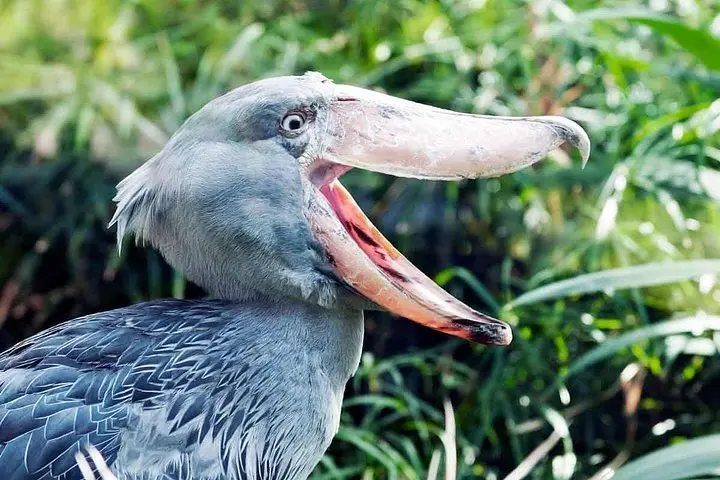
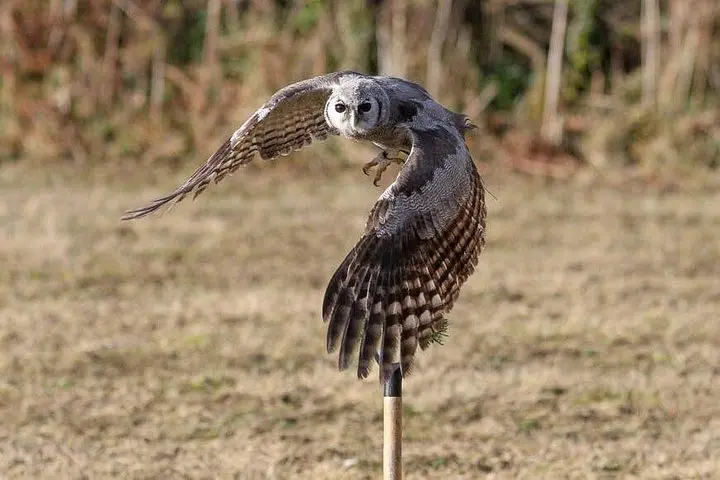
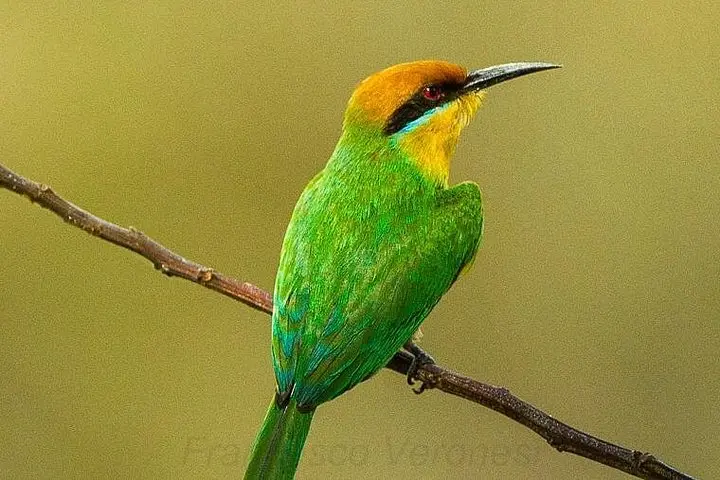
You step out of the vehicle as the Zambezi's current murmurs like a living thing, and the air is already full of calls—high, sharp, liquid. The path threads along riverine forest and open grassland inside Mosi-oa-Tunya National Park, the compact protected area that hugs the Zambezi below Victoria Falls. In 2.5 hours a guide points out kingfishers at water's edge, raptors circling overhead, and small flocks that flash color through the trees.
You step out of the vehicle as the Zambezi's current murmurs like a living thing, and the air is already full of calls—high, sharp, liquid. The path threads along riverine forest and open grassland inside Mosi-oa-Tunya National Park, the compact protected area that hugs the Zambezi below Victoria Falls. In 2.5 hours a guide points out kingfishers at water's edge, raptors circling overhead, and small flocks that flash color through the trees.
Mosi-oa-Tunya—"the smoke that thunders"—is Zambia's smallest national park, created to protect the riverside habitat below the falls and the species that depend on it. Geologically the park sits on basalt escarpments and alluvial floodplain; those contrasts concentrate migrants and waterbirds where channels and pools form. The area blends Lozi and Tonga cultural landscapes, with Livingstone serving as the practical gateway for visitors.
Expect a close, interpretive experience rather than long hikes: trails are short, often flat, and geared for steady observation. Guides use local knowledge to locate difficult-to-see species; early morning and late afternoon deliver the best light and most activity. Bring binoculars and layered clothing—the river breeze can turn cool once the sun dips—plus insect protection during the rainy season.
Practical: tours typically run about 2–3 hours, require minimal fitness, and are family- and wheelchair-accessible in many sections. Hydrate, keep voices low, and follow your guide to minimize disturbance—the birds respond quickly to quiet curiosity.