THE ADVENTURE COLLECTIVE® · Independent discovery and booking for outdoor travel

Two days of targeted birding across vulture feeding sites, buffer forests, and riverbanks near Chitwan National Park. Expect low-speed drives, guided walks, and lodge-based birding with strong chances for vultures, waders, and forest specialists.
Two days of targeted birding across vulture feeding sites, buffer forests, and riverbanks near Chitwan National Park. Expect low-speed drives, guided walks, and lodge-based birding with strong chances for vultures, waders, and forest specialists.
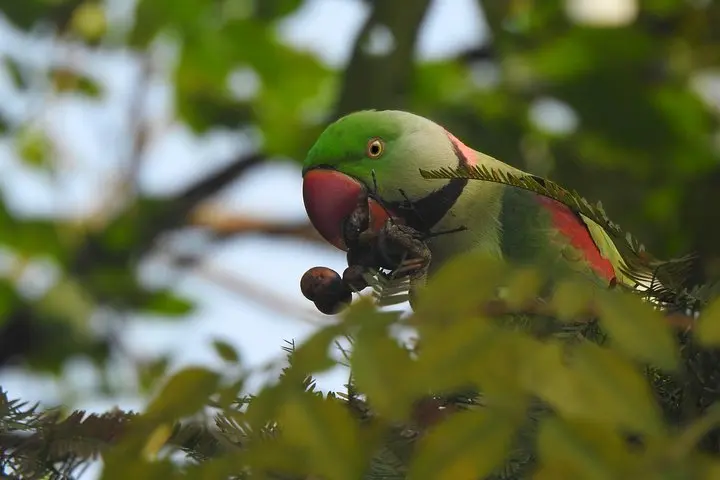
Dawn breaks over grassland and river—a low mist lifts as a bus of binocular-clad visitors eases onto a dirt track. The air smells of wet earth and drying grass; somewhere a raptor calls and a small flock of parakeets fights for space in a fig tree. This two-day itinerary threads together the Nawalparasi Vulture Safe Zone, buffer forests around Chitwan National Park, and the riverbanks beside Sauraha, giving birders concentrated time where open grassland, wetlands, and community forests meet.
Verified experiences and guided adventures in the surrounding area.
Operated by Samsara Trekking · Sauraha, Chitwan
Dawn breaks over grassland and river—a low mist lifts as a bus of binocular-clad visitors eases onto a dirt track. The air smells of wet earth and drying grass; somewhere a raptor calls and a small flock of parakeets fights for space in a fig tree. This two-day itinerary threads together the Nawalparasi Vulture Safe Zone, buffer forests around Chitwan National Park, and the riverbanks beside Sauraha, giving birders concentrated time where open grassland, wetlands, and community forests meet.
Chitwan National Park was set aside in 1973 and became Nepal’s first UNESCO World Heritage Site, protecting a floodplain mosaic shaped by monsoon-fed rivers and alluvial terraces. The safe-vulture zones nearby are part of a nationwide conservation push that established community feeding sites and monitoring to halt dramatic vulture declines. Local Tharu villages offer both hospitality and insights into agro-forest practices that create the small-scale wetlands and fallow fields many birds use.
Expect days of low-speed drives, short roadside stops, and guided walks: stable light in the morning and late afternoon brings raptors and waders into view, while midday is good for hearing secretive forest species. Practical tips: bring a close-focusing binocular, layered clothing for variable river winds, and insect protection for evenings. Flights into Bharatpur reduce long overland transfers, but be ready for unpaved roads and simple lodge comforts. With patience and a guide aware of seasonal feeding patterns, you’ll watch vultures, laughingthrushes, kingfishers, and hundreds of smaller passerines—research, photography, and quiet observation all pay off.
Most itineraries fly into Bharatpur (Bharatpur Airport) followed by short drives; the tour includes private transfers and local vehicles for on-site birding.
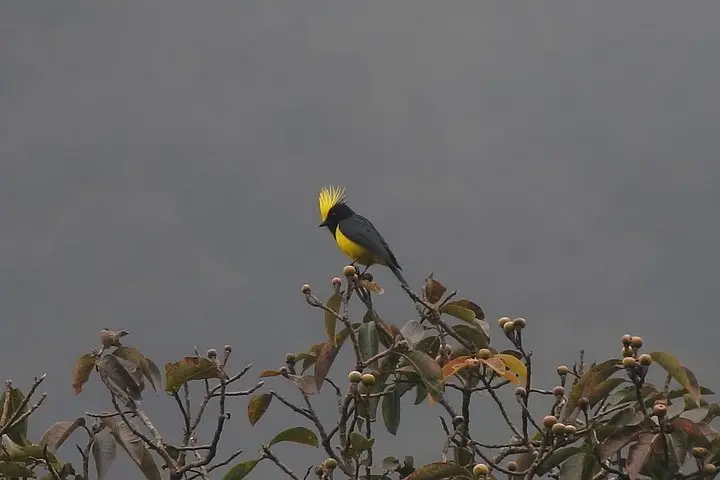
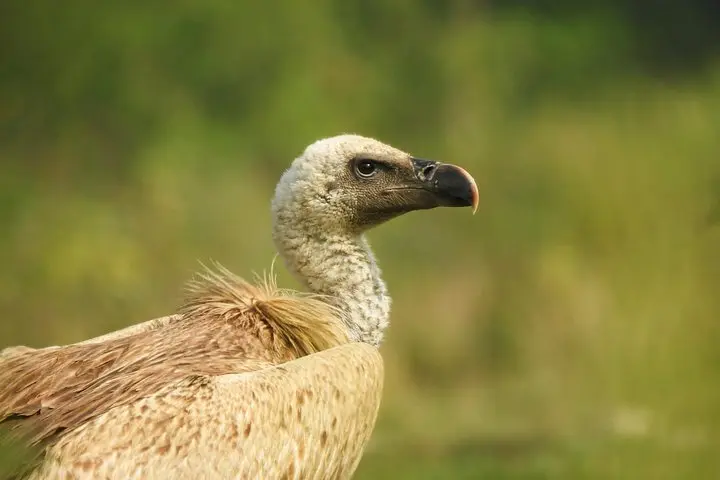
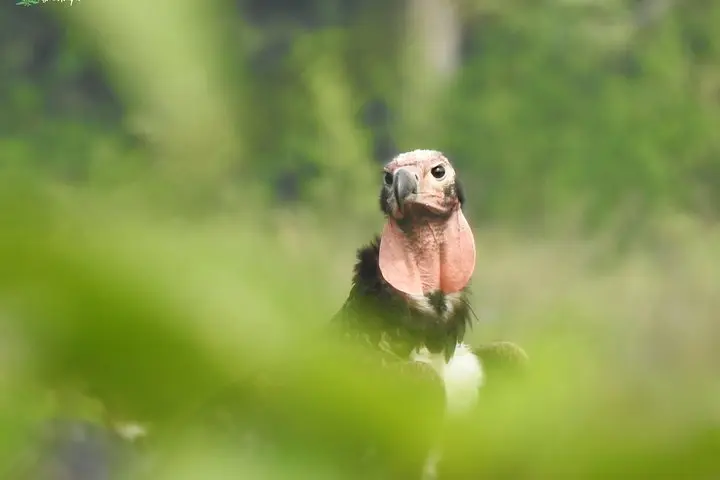
Highlights include scavenging vultures at community feeding sites, raptors over grasslands, riverbank waders, and forest species like laughingthrushes and barbets.
Yes—the program is rated easy. It involves vehicle-based birding and short walks; however, discuss mobility needs with the operator for luggage and lodge transfers.
Chitwan National Park charges entry and guide fees in many cases; the tour operator typically handles necessary permits and park access details.
Samsara Trekking operates guided outdoor trips and adventures with an emphasis on safety, stewardship, and memorable experiences.
Dawn breaks over grassland and river—a low mist lifts as a bus of binocular-clad visitors eases onto a dirt track. The air smells of wet earth and drying grass; somewhere a raptor calls and a small flock of parakeets fights for space in a fig tree. This two-day itinerary threads together the Nawalparasi Vulture Safe Zone, buffer forests around Chitwan National Park, and the riverbanks beside Sauraha, giving birders concentrated time where open grassland, wetlands, and community forests meet.
Dawn breaks over grassland and river—a low mist lifts as a bus of binocular-clad visitors eases onto a dirt track. The air smells of wet earth and drying grass; somewhere a raptor calls and a small flock of parakeets fights for space in a fig tree. This two-day itinerary threads together the Nawalparasi Vulture Safe Zone, buffer forests around Chitwan National Park, and the riverbanks beside Sauraha, giving birders concentrated time where open grassland, wetlands, and community forests meet.
Chitwan National Park was set aside in 1973 and became Nepal’s first UNESCO World Heritage Site, protecting a floodplain mosaic shaped by monsoon-fed rivers and alluvial terraces. The safe-vulture zones nearby are part of a nationwide conservation push that established community feeding sites and monitoring to halt dramatic vulture declines. Local Tharu villages offer both hospitality and insights into agro-forest practices that create the small-scale wetlands and fallow fields many birds use.
Expect days of low-speed drives, short roadside stops, and guided walks: stable light in the morning and late afternoon brings raptors and waders into view, while midday is good for hearing secretive forest species. Practical tips: bring a close-focusing binocular, layered clothing for variable river winds, and insect protection for evenings. Flights into Bharatpur reduce long overland transfers, but be ready for unpaved roads and simple lodge comforts. With patience and a guide aware of seasonal feeding patterns, you’ll watch vultures, laughingthrushes, kingfishers, and hundreds of smaller passerines—research, photography, and quiet observation all pay off.