THE ADVENTURE COLLECTIVE® · Independent discovery and booking for outdoor travel

A five- to six-hour guided birdwatching walk in Metropolitan Natural Park — the rainforest closest to Panama City. Expect steady stops, canopy scans, and chances to add migrants and tropical specialties to your life list.
A five- to six-hour guided birdwatching walk in Metropolitan Natural Park — the rainforest closest to Panama City. Expect steady stops, canopy scans, and chances to add migrants and tropical specialties to your life list.
Morning light slants through tall remnant trees as the city hums below; here the forest pushes back, leaves scraping like the pages of a field guide. The guided walk into Metropolitan Natural Park drops visitors straight into a pocket of lowland tropical forest — the closest rainforest to an urban center — where understory birds call from the same branches that shadow the skyline.
Verified experiences and guided adventures in the surrounding area.
Operated by Guided Bird Tours · Panama City, Panama Province
Morning light slants through tall remnant trees as the city hums below; here the forest pushes back, leaves scraping like the pages of a field guide. The guided walk into Metropolitan Natural Park drops visitors straight into a pocket of lowland tropical forest — the closest rainforest to an urban center — where understory birds call from the same branches that shadow the skyline.
The park was set aside in the late 20th century to protect one of Panama City’s last forested hills. Geologically the rise is part of the coastal ridge that separates the Bay of Panama from the inner city, its soils thin but enough to support mature trees and a surprising diversity of species. Culturally, the park is a daily outlet for locals and a training ground for Panamanian naturalists; you’ll hear Spanish and bird names traded with equal enthusiasm.
Expect slow, observational fieldcraft: stops to scan canopy gaps, the occasional use of playback to confirm presence, and a guide pointing out subtle field marks. Terrain is short, steep trails and dirt paths with roots; elevation gain is modest but repeated climbs make a five-to-six hour visit feel like a full morning of work and reward. The pace prioritizes sightings over distance — ideal for building a life list.
Plan for humidity, sudden showers and bright midday sun. Bring a light poncho, quiet shoes, and a notebook; sip water steadily and move deliberately to catch skulking species. For anyone who wants birds without a long drive, this is urban birding with real wilderness payoff.
The walk is rated easy: trails are short with some steep sections, and guides move at a birding pace with frequent stops.
Bringing binoculars is strongly recommended; some tours may have loaners but availability is limited.
Yes — the tour is family-friendly, but participants should be able to stand and walk on uneven ground for several hours.
Guides may use careful playback when necessary to confirm species, following best-practice limits to avoid stressing birds.
Guided Bird Tours operates guided outdoor trips and adventures with an emphasis on safety, stewardship, and memorable experiences.


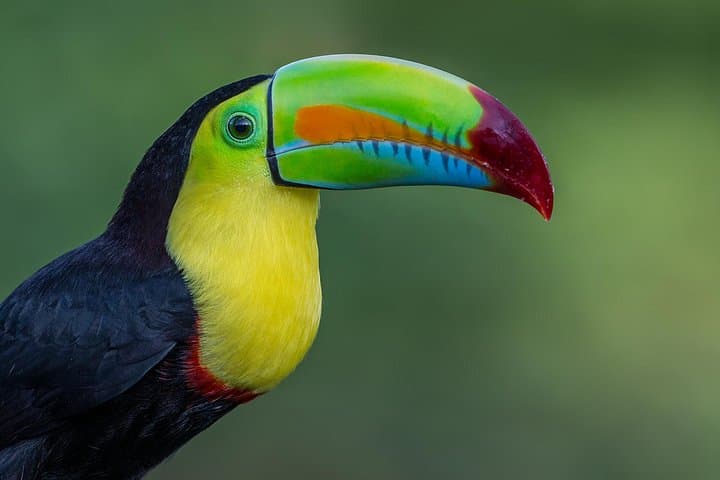
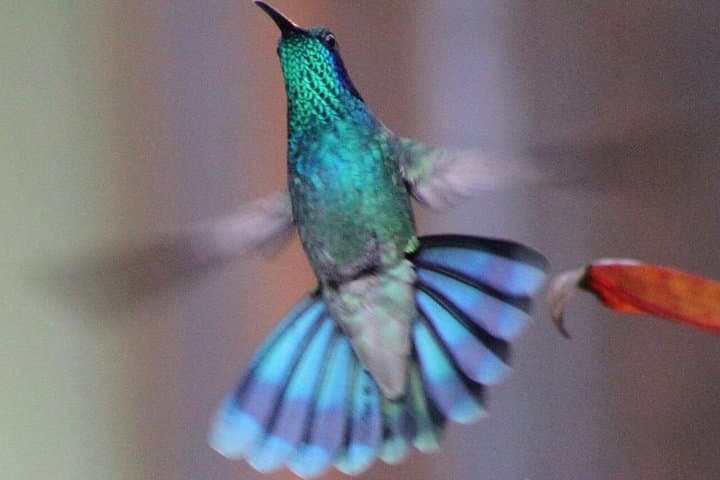
Morning light slants through tall remnant trees as the city hums below; here the forest pushes back, leaves scraping like the pages of a field guide. The guided walk into Metropolitan Natural Park drops visitors straight into a pocket of lowland tropical forest — the closest rainforest to an urban center — where understory birds call from the same branches that shadow the skyline.
Morning light slants through tall remnant trees as the city hums below; here the forest pushes back, leaves scraping like the pages of a field guide. The guided walk into Metropolitan Natural Park drops visitors straight into a pocket of lowland tropical forest — the closest rainforest to an urban center — where understory birds call from the same branches that shadow the skyline.
The park was set aside in the late 20th century to protect one of Panama City’s last forested hills. Geologically the rise is part of the coastal ridge that separates the Bay of Panama from the inner city, its soils thin but enough to support mature trees and a surprising diversity of species. Culturally, the park is a daily outlet for locals and a training ground for Panamanian naturalists; you’ll hear Spanish and bird names traded with equal enthusiasm.
Expect slow, observational fieldcraft: stops to scan canopy gaps, the occasional use of playback to confirm presence, and a guide pointing out subtle field marks. Terrain is short, steep trails and dirt paths with roots; elevation gain is modest but repeated climbs make a five-to-six hour visit feel like a full morning of work and reward. The pace prioritizes sightings over distance — ideal for building a life list.
Plan for humidity, sudden showers and bright midday sun. Bring a light poncho, quiet shoes, and a notebook; sip water steadily and move deliberately to catch skulking species. For anyone who wants birds without a long drive, this is urban birding with real wilderness payoff.