THE ADVENTURE COLLECTIVE® · Independent discovery and booking for outdoor travel

A morning at the San José estuary offers close-up views of Baja endemics plus a short bay boat ride to scan marine birds. This guided, four-hour tour blends natural history, local stories and conservation-minded birding for beginners and enthusiasts alike.
A morning at the San José estuary offers close-up views of Baja endemics plus a short bay boat ride to scan marine birds. This guided, four-hour tour blends natural history, local stories and conservation-minded birding for beginners and enthusiasts alike.
The guide lowers the binoculars and points without speaking: a flash of blue-green at the edge of the mangroves, a hummingbird that seems only to exist here. Morning light slants over the San José estuary, turning reeds into fine gold and making the small bay glitter like a sheet of glass. Birdsong here is not background noise but a map — each call, a coordinate that leads toward an endemic or a rare visitor.
Verified experiences and guided adventures in the surrounding area.
Operated by Birding-Los Cabos · San José del Cabo, Baja California Sur
The guide lowers the binoculars and points without speaking: a flash of blue-green at the edge of the mangroves, a hummingbird that seems only to exist here. Morning light slants over the San José estuary, turning reeds into fine gold and making the small bay glitter like a sheet of glass. Birdsong here is not background noise but a map — each call, a coordinate that leads toward an endemic or a rare visitor.
Los Cabos’ estuary system formed where desert meets sea: a shallow lagoon fed by seasonal runoff and hemmed in by mangroves that hold sediment and life. For decades local guides and conservationists have worked to protect these pocket wetlands. Since 2000 a community-led birding initiative, in partnership with Audubon and the Sonoran Joint Venture, has used guided tours to fund habitat preservation and teach local families the value of birds as both culture and currency.
On a four-hour outing with Birding Los Cabos, the day splits between shore-based searching and a short bay boat ride. The estuary’s channels are geology made practical — a place where tidal action scours, then deposits, creating the mudflats that shorebirds need. Guides lean on field experience: where a certain reed meets open water, try silent patience; where a channel narrows, look for puddle-loving waders.
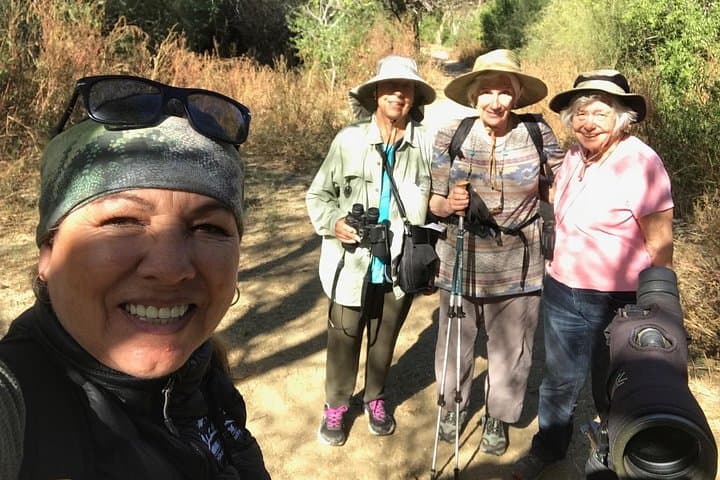
Culture threads through the trip. Guides share local stories — fishermen’s names for birds, seasonal foodways tied to the estuary’s cycles — that make species identification feel like reading a living ledger. The operation is small-group (max 10), and equipment like spotting scopes and binoculars is provided on request, so beginners and seasoned birders both leave with sightings and stories.
Practical note: mornings are best. Birds are most active in the hour after sunrise; heat and wind later in the day push them quiet or out to sea. Wear sturdy closed-toe shoes for mud and a hat for sun; bring at least one liter of water, sunscreen, and a camera with a long lens if you have one. If you’re cruising in, confirm meet-up details in advance — guides often pick up from hotels and can advise on port meeting points.
The estuary is quiet but not fragile in the abstract — it responds to how people use it. Tours support conservation, but visitors should follow low-impact principles: stay on paths, speak softly, and avoid getting between a bird and its escape route. In return, the estuary rewards attention with endemic hummingbirds, migratory flocks, coastal raptors and the small, intimate encounters that make birding in Los Cabos unexpectedly addictive.
The tour runs about four hours total, combining estuary walks and a short bay boat segment.
No — the guide tailors identification tips for all levels and supplies scopes and binoculars on request.
Yes — the tour is family-friendly, though young children should be able to stay quiet and follow guide instructions.
Hotel pickup from San José del Cabo area is provided; cruise-ship guests should confirm meeting details in advance.
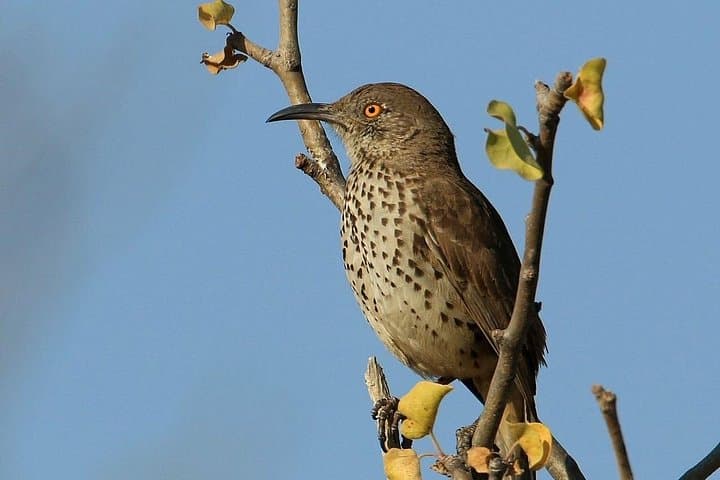
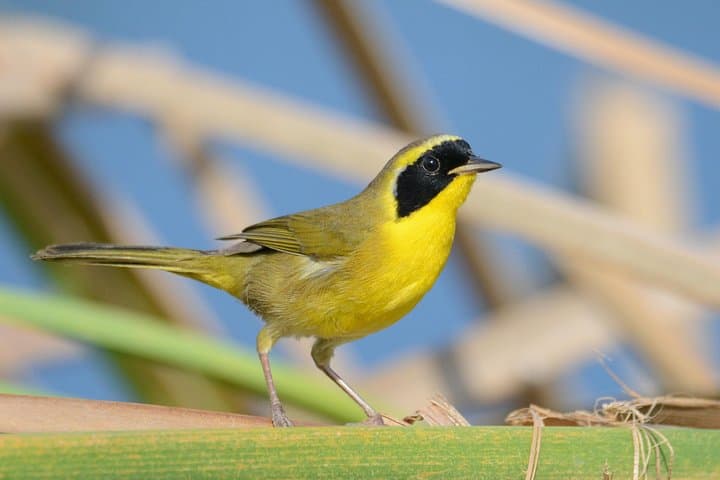
Expect Baja endemics like Xantus’s Hummingbird along with shorebirds, terns, gulls and occasional raptors and pelicans.
Full refund if you cancel at least 24 hours before departure; tours may be canceled for bad weather or insufficient travelers.
Birding-Los Cabos operates guided outdoor trips and adventures with an emphasis on safety, stewardship, and memorable experiences.

The guide lowers the binoculars and points without speaking: a flash of blue-green at the edge of the mangroves, a hummingbird that seems only to exist here. Morning light slants over the San José estuary, turning reeds into fine gold and making the small bay glitter like a sheet of glass. Birdsong here is not background noise but a map — each call, a coordinate that leads toward an endemic or a rare visitor.
The guide lowers the binoculars and points without speaking: a flash of blue-green at the edge of the mangroves, a hummingbird that seems only to exist here. Morning light slants over the San José estuary, turning reeds into fine gold and making the small bay glitter like a sheet of glass. Birdsong here is not background noise but a map — each call, a coordinate that leads toward an endemic or a rare visitor.
Los Cabos’ estuary system formed where desert meets sea: a shallow lagoon fed by seasonal runoff and hemmed in by mangroves that hold sediment and life. For decades local guides and conservationists have worked to protect these pocket wetlands. Since 2000 a community-led birding initiative, in partnership with Audubon and the Sonoran Joint Venture, has used guided tours to fund habitat preservation and teach local families the value of birds as both culture and currency.
On a four-hour outing with Birding Los Cabos, the day splits between shore-based searching and a short bay boat ride. The estuary’s channels are geology made practical — a place where tidal action scours, then deposits, creating the mudflats that shorebirds need. Guides lean on field experience: where a certain reed meets open water, try silent patience; where a channel narrows, look for puddle-loving waders.
Culture threads through the trip. Guides share local stories — fishermen’s names for birds, seasonal foodways tied to the estuary’s cycles — that make species identification feel like reading a living ledger. The operation is small-group (max 10), and equipment like spotting scopes and binoculars is provided on request, so beginners and seasoned birders both leave with sightings and stories.
Practical note: mornings are best. Birds are most active in the hour after sunrise; heat and wind later in the day push them quiet or out to sea. Wear sturdy closed-toe shoes for mud and a hat for sun; bring at least one liter of water, sunscreen, and a camera with a long lens if you have one. If you’re cruising in, confirm meet-up details in advance — guides often pick up from hotels and can advise on port meeting points.
The estuary is quiet but not fragile in the abstract — it responds to how people use it. Tours support conservation, but visitors should follow low-impact principles: stay on paths, speak softly, and avoid getting between a bird and its escape route. In return, the estuary rewards attention with endemic hummingbirds, migratory flocks, coastal raptors and the small, intimate encounters that make birding in Los Cabos unexpectedly addictive.