THE ADVENTURE COLLECTIVE® · Independent discovery and booking for outdoor travel

Spend a full day chasing mangrove and dry-forest birds near Guayaquil. This guided tour combines short hikes, an estuary boat ride, and a farm lunch while targeting species like the royal flycatcher and horned screamer.
Spend a full day chasing mangrove and dry-forest birds near Guayaquil. This guided tour combines short hikes, an estuary boat ride, and a farm lunch while targeting species like the royal flycatcher and horned screamer.
Dawn breaks over Guayaquil and the van threads out toward mangroves and dry forest, headlights briefly catching egrets on roadside wetlands. By the time you step onto the Monkey Trail the air is already warm; birds call from thorny scrub while a guide lifts a scope, pointing out flashes of color that feel like small fireworks in the trees.
Verified experiences and guided adventures in the surrounding area.
Operated by Perfect Destiny · Guayaquil, Guayas
Dawn breaks over Guayaquil and the van threads out toward mangroves and dry forest, headlights briefly catching egrets on roadside wetlands. By the time you step onto the Monkey Trail the air is already warm; birds call from thorny scrub while a guide lifts a scope, pointing out flashes of color that feel like small fireworks in the trees.
The Churute area sits on the Guayas river delta — a low, alluvial plain where mangrove channels carve into the coast and pockets of dry forest cling to slightly higher ground. Human history here is braided with cacao and small-scale farming; contemporary visitors often end their morning birding with lunch at a local cacao-and-mango farm where the landscape and culture meet. Geologically the reserve is young sediment fed by Andean rivers; ecologically it’s a mix of estuarine life and dry-forest specialists.
Expect flat, sometimes muddy trails, short boat runs across the estuary, and long stretches of quiet wetlands. Species on a typical day include royal flycatcher, horned screamer, Ecuadorian trogon and manakins; guides use local knowledge to find roosts and lek sites. Practicalities: arrive early, wear sturdy walking shoes that can handle mud, bring insect repellent and a drinking bottle, and carry binoculars and a light rain layer — weather can shift fast near the estuary. The tour covers multiple habitats across a 9‑hour day with easy walking but lots of standing and slow-moving boat time.
This trip suits birders who want concentrated species variety without strenuous hiking — a close, readable slice of coastal Ecuador’s biodiversity with cultural stops that round out the day.
The tour is approximately 9 hours: early pickup in Guayaquil, wetland stops, monkey trail birding, estuary boat trip, farm lunch, and an afternoon visit to La Lagartera wetland before return.
No—this tour is suitable for beginners; guides point out species and use scopes to help with identifications.
The activity is rated easy with short walks and boat rides; it’s generally family-friendly but not recommended for those with serious cardiovascular conditions or pregnant travelers.
Yes—typical lunch, hotel pickup/drop-off and transportation are included as noted in the tour inclusions.
Perfect Destiny operates guided outdoor trips and adventures with an emphasis on safety, stewardship, and memorable experiences.
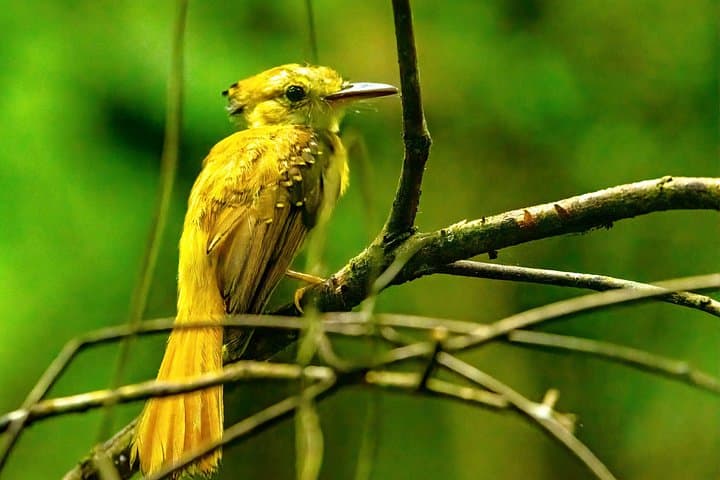


Dawn breaks over Guayaquil and the van threads out toward mangroves and dry forest, headlights briefly catching egrets on roadside wetlands. By the time you step onto the Monkey Trail the air is already warm; birds call from thorny scrub while a guide lifts a scope, pointing out flashes of color that feel like small fireworks in the trees.
Dawn breaks over Guayaquil and the van threads out toward mangroves and dry forest, headlights briefly catching egrets on roadside wetlands. By the time you step onto the Monkey Trail the air is already warm; birds call from thorny scrub while a guide lifts a scope, pointing out flashes of color that feel like small fireworks in the trees.
The Churute area sits on the Guayas river delta — a low, alluvial plain where mangrove channels carve into the coast and pockets of dry forest cling to slightly higher ground. Human history here is braided with cacao and small-scale farming; contemporary visitors often end their morning birding with lunch at a local cacao-and-mango farm where the landscape and culture meet. Geologically the reserve is young sediment fed by Andean rivers; ecologically it’s a mix of estuarine life and dry-forest specialists.
Expect flat, sometimes muddy trails, short boat runs across the estuary, and long stretches of quiet wetlands. Species on a typical day include royal flycatcher, horned screamer, Ecuadorian trogon and manakins; guides use local knowledge to find roosts and lek sites. Practicalities: arrive early, wear sturdy walking shoes that can handle mud, bring insect repellent and a drinking bottle, and carry binoculars and a light rain layer — weather can shift fast near the estuary. The tour covers multiple habitats across a 9‑hour day with easy walking but lots of standing and slow-moving boat time.
This trip suits birders who want concentrated species variety without strenuous hiking — a close, readable slice of coastal Ecuador’s biodiversity with cultural stops that round out the day.