THE ADVENTURE COLLECTIVE® · Independent discovery and booking for outdoor travel

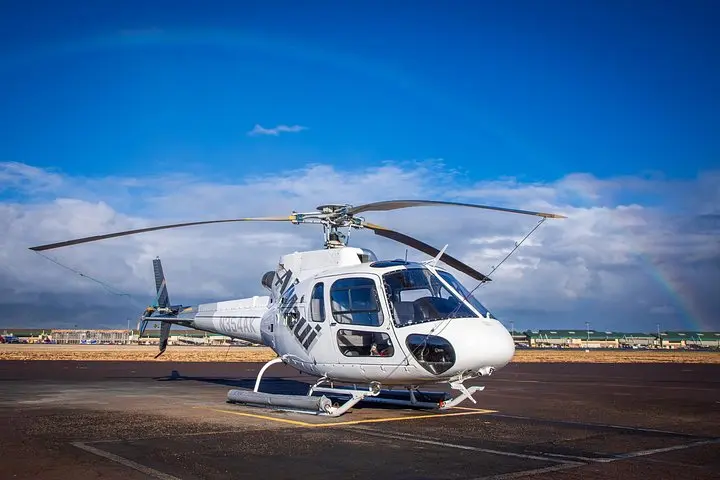
Rise above Maui in a short, focused helicopter flight from Kahului Heliport that slices the island into coastline, cliffs, and crater. Ideal for first-time flyers or travelers wanting a budget-friendly aerial view, this tour delivers dramatic scenery in a compact package.
Rise above Maui in a short, focused helicopter flight from Kahului Heliport that slices the island into coastline, cliffs, and crater. Ideal for first-time flyers or travelers wanting a budget-friendly aerial view, this tour delivers dramatic scenery in a compact package.
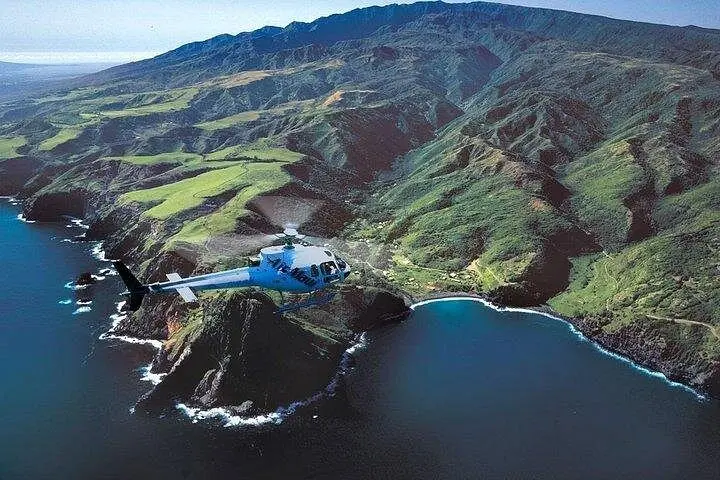
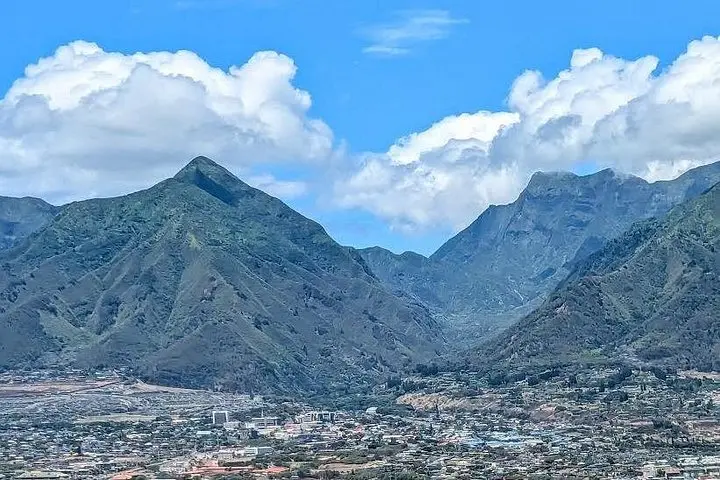
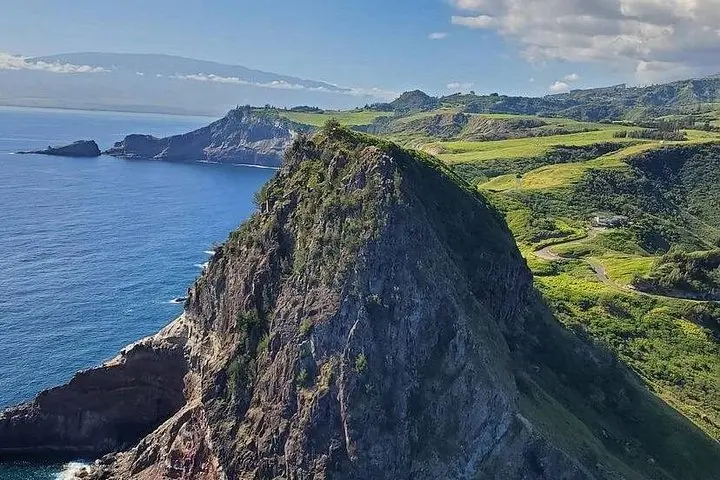
The rotor's pulse builds beneath you as the heli lifts off Kahului, and suddenly West Maui’s cliffs and the patchwork of central valleys open like a map you can walk through with your eyes. In thirty minutes the coastline becomes a stitched edge — razor reefs, black lava fingers, and crescent beaches — while Haleakalā’s broad shoulders and the island’s carved gulches reveal how wind and water have been shaping this place for millennia.
Verified experiences and guided adventures in the surrounding area.
Operated by Air Maui Helicopter Tours · Kahului, Hawaii
The rotor's pulse builds beneath you as the heli lifts off Kahului, and suddenly West Maui’s cliffs and the patchwork of central valleys open like a map you can walk through with your eyes. In thirty minutes the coastline becomes a stitched edge — razor reefs, black lava fingers, and crescent beaches — while Haleakalā’s broad shoulders and the island’s carved gulches reveal how wind and water have been shaping this place for millennia.
Geology here is blunt and immediate: shield volcanoes stacked over time, lava flows hardened and then eroded into the steep sea cliffs you fly past. Culturally, the island is still read through Hawaiian place names and practices — many ridgelines and valleys you’ll see are wahi pana (storied places) with deep genealogies. Local pilots often point out former agricultural terraces and the watercourses that sustained communities long before tourism.
Practical details matter. The advertised "30-minute" flight delivers the aerial snapshot; allow at least an hour at the heliport for check-in and briefing. Operators enforce weight limits and prohibit bags for safety and balance; wear low-reflective (dark) clothing to reduce glare in photos. Window seats offer the best framing for the cliffs and surf, and try to schedule flights in morning light for clearer skies and gentler winds.
Bring a compact camera or phone, secure it, and consider motion-sickness prevention if you’re sensitive. Expect variable routes — weather and wind will change your path — and know that flying here is as much about the island’s forces (rainshadow, trade winds) as it is about the sights.
The aerial portion is marketed as about 30 minutes; plan for roughly 45–60 minutes total including check-in, briefing, and weight checks.
Yes—operators require accurate weights and may require purchasing extra seats for passengers above set thresholds to ensure safe weight distribution.
No bags are permitted onboard; small cameras or phones you can keep on your person are allowed—secure them during takeoff and landing.
Flights are weather-dependent; operators will cancel if conditions are unsafe, and you can usually reschedule or get a refund if cancelled in advance.
Air Maui Helicopter Tours operates guided outdoor trips and adventures with an emphasis on safety, stewardship, and memorable experiences.
The rotor's pulse builds beneath you as the heli lifts off Kahului, and suddenly West Maui’s cliffs and the patchwork of central valleys open like a map you can walk through with your eyes. In thirty minutes the coastline becomes a stitched edge — razor reefs, black lava fingers, and crescent beaches — while Haleakalā’s broad shoulders and the island’s carved gulches reveal how wind and water have been shaping this place for millennia.
The rotor's pulse builds beneath you as the heli lifts off Kahului, and suddenly West Maui’s cliffs and the patchwork of central valleys open like a map you can walk through with your eyes. In thirty minutes the coastline becomes a stitched edge — razor reefs, black lava fingers, and crescent beaches — while Haleakalā’s broad shoulders and the island’s carved gulches reveal how wind and water have been shaping this place for millennia.
Geology here is blunt and immediate: shield volcanoes stacked over time, lava flows hardened and then eroded into the steep sea cliffs you fly past. Culturally, the island is still read through Hawaiian place names and practices — many ridgelines and valleys you’ll see are wahi pana (storied places) with deep genealogies. Local pilots often point out former agricultural terraces and the watercourses that sustained communities long before tourism.
Practical details matter. The advertised "30-minute" flight delivers the aerial snapshot; allow at least an hour at the heliport for check-in and briefing. Operators enforce weight limits and prohibit bags for safety and balance; wear low-reflective (dark) clothing to reduce glare in photos. Window seats offer the best framing for the cliffs and surf, and try to schedule flights in morning light for clearer skies and gentler winds.
Bring a compact camera or phone, secure it, and consider motion-sickness prevention if you’re sensitive. Expect variable routes — weather and wind will change your path — and know that flying here is as much about the island’s forces (rainshadow, trade winds) as it is about the sights.