THE ADVENTURE COLLECTIVE® · Independent discovery and booking for outdoor travel

Witness migratory shorebirds and endemic passerines at Yarnbala on a focused two‑hour photography tour from Coffin Bay. Expect low light, long lenses, and guided access to fragile feeding flats.
Witness migratory shorebirds and endemic passerines at Yarnbala on a focused two‑hour photography tour from Coffin Bay. Expect low light, long lenses, and guided access to fragile feeding flats.
The bus eases out of Coffin Bay yacht club and the wind reclaims the shore; bent heads of migratory sandpipers and the upright figures of oystercatchers mark the incoming tide. On a two-hour Yarnbala outing you stand where the ocean meets an intertidal plain busy with birds that have flown thousands of kilometres — a quiet, moving congregation that invites careful watching and careful framing.
Verified experiences and guided adventures in the surrounding area.
Operated by Yarnbala · Coffin Bay, South Australia
The bus eases out of Coffin Bay yacht club and the wind reclaims the shore; bent heads of migratory sandpipers and the upright figures of oystercatchers mark the incoming tide. On a two-hour Yarnbala outing you stand where the ocean meets an intertidal plain busy with birds that have flown thousands of kilometres — a quiet, moving congregation that invites careful watching and careful framing.
Yarnbala sits on the northwest edge of the Eyre Peninsula, an area shaped by limestone shelves and tidal flats that attract both resident seabirds and springtime arrivals from the northern hemisphere. The coastline sits on Barngarla country; local knowledge and long-standing protections have helped keep feeding grounds functional for species with fragile conservation ratings. Geologically the flats are exposed calcarenite and sand, eroded into shallow channels that concentrate food for shorebirds.
Expect low, slow light and long lines of birds probing mud and shallow pools. Guides use blinds or distant vantage points to minimize disturbance; keep voices low and movements deliberate. For photographers, a long lens and a steady tripod make the most of the short windows between incoming water and the birds’ skittish bursts.
Practicalities: the tour is wheelchair- and stroller-accessible and runs about two hours with private transport from Coffin Bay. Wear windproof layers, check tide times (lower tides expose feeding flats), and bring water and sun protection. Respect cordoned or guided zones — the birds’ survival depends on undisturbed feeding. With attention and patience, Yarnbala delivers rare sightings and memorable shorebird behavior in a compact, accessible coastal setting.
The tour runs about two hours with private transport from the Coffin Bay yacht club pick-up point.
Yes — the tour is listed as stroller- and wheelchair-accessible, though some viewpoints may require short, level transfers.
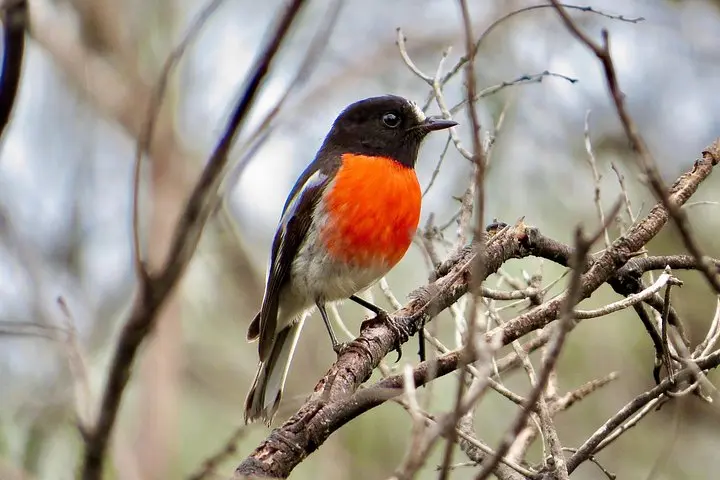
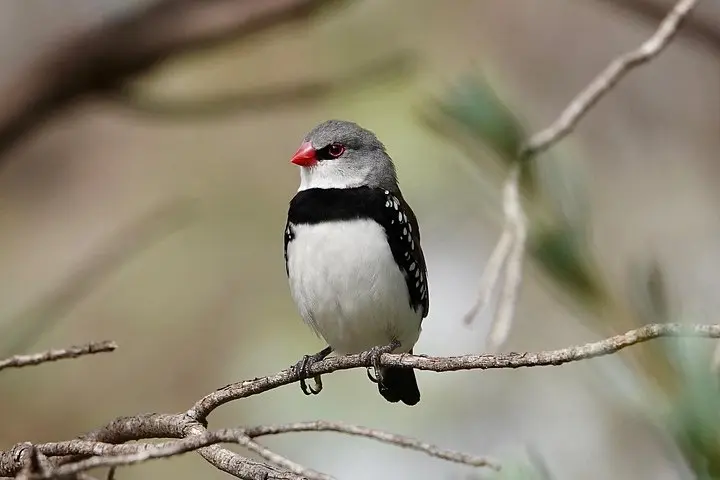
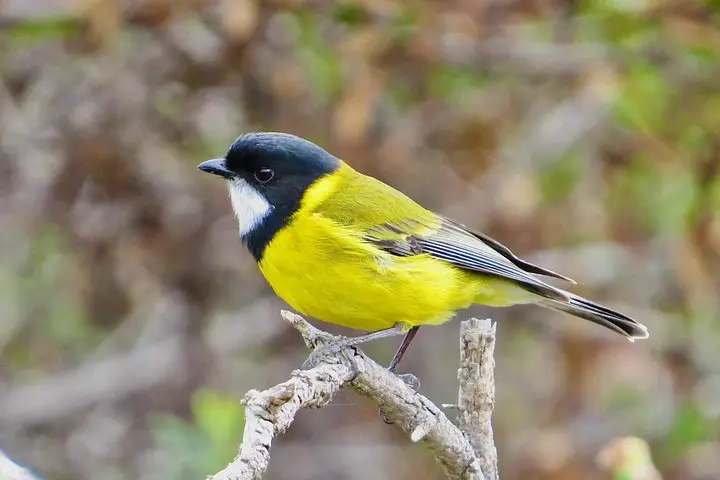
Expect resident shorebirds like pied oystercatchers and migratory species such as sandpipers and godwits during spring and summer arrivals.
Guides accommodate photographers but you should bring your own camera, lenses, and a tripod if you plan extended shooting.
Yarnbala operates guided outdoor trips and adventures with an emphasis on safety, stewardship, and memorable experiences.
The bus eases out of Coffin Bay yacht club and the wind reclaims the shore; bent heads of migratory sandpipers and the upright figures of oystercatchers mark the incoming tide. On a two-hour Yarnbala outing you stand where the ocean meets an intertidal plain busy with birds that have flown thousands of kilometres — a quiet, moving congregation that invites careful watching and careful framing.
The bus eases out of Coffin Bay yacht club and the wind reclaims the shore; bent heads of migratory sandpipers and the upright figures of oystercatchers mark the incoming tide. On a two-hour Yarnbala outing you stand where the ocean meets an intertidal plain busy with birds that have flown thousands of kilometres — a quiet, moving congregation that invites careful watching and careful framing.
Yarnbala sits on the northwest edge of the Eyre Peninsula, an area shaped by limestone shelves and tidal flats that attract both resident seabirds and springtime arrivals from the northern hemisphere. The coastline sits on Barngarla country; local knowledge and long-standing protections have helped keep feeding grounds functional for species with fragile conservation ratings. Geologically the flats are exposed calcarenite and sand, eroded into shallow channels that concentrate food for shorebirds.
Expect low, slow light and long lines of birds probing mud and shallow pools. Guides use blinds or distant vantage points to minimize disturbance; keep voices low and movements deliberate. For photographers, a long lens and a steady tripod make the most of the short windows between incoming water and the birds’ skittish bursts.
Practicalities: the tour is wheelchair- and stroller-accessible and runs about two hours with private transport from Coffin Bay. Wear windproof layers, check tide times (lower tides expose feeding flats), and bring water and sun protection. Respect cordoned or guided zones — the birds’ survival depends on undisturbed feeding. With attention and patience, Yarnbala delivers rare sightings and memorable shorebird behavior in a compact, accessible coastal setting.