THE ADVENTURE COLLECTIVE® · Independent discovery and booking for outdoor travel

Glide narrow channels through mangroves and reedbeds on a two‑hour guided birding boat trip at Muthurajawela—one of Sri Lanka’s closest wetland sanctuaries to Colombo. Expect close views of resident and migrant species, local fishing culture, and easy access for a half‑day excursion.
Glide narrow channels through mangroves and reedbeds on a two‑hour guided birding boat trip at Muthurajawela—one of Sri Lanka’s closest wetland sanctuaries to Colombo. Expect close views of resident and migrant species, local fishing culture, and easy access for a half‑day excursion.
Wading into the first light, the boat slips between ribbons of mangrove and reed. Water beads on the hull, and a guide’s whisper points—an egret pauses like a line drawn against the sky, while kingfishers flash electric blue from a root. The wetlands open in stages: shallow reed beds, braided channels, and a raised mangrove fringe that resists the tide.
Verified experiences and guided adventures in the surrounding area.
Operated by Sri Lanka Day Tours · Negombo, Western Province
Wading into the first light, the boat slips between ribbons of mangrove and reed. Water beads on the hull, and a guide’s whisper points—an egret pauses like a line drawn against the sky, while kingfishers flash electric blue from a root. The wetlands open in stages: shallow reed beds, braided channels, and a raised mangrove fringe that resists the tide.
Muthurajawela is a low-lying peat and freshwater marsh with patches of brackish mangrove where river and sea meet. Long used by local fishing communities, the sanctuary was protected in the late 20th century as Colombo’s urban edge pushed outward; its soils trace back to lagoon infill and tidal sedimentation rather than dramatic tectonics. Cultural ties to the marsh are practical—fishing, reed-harvesting and small rice plots—so the human story here is one of living with water.
On a two-hour guided trip you’ll scan mixed habitats for resident and migrant species, learn calls and identification cues, and pass through microhabitats where reptiles and swallowtail butterflies may appear. Expect close framing of birds from a stable, shallow-draft boat; bring binoculars and steady footing.
Practical tips: morning light gives the best activity and cooler temperatures; insect repellent and sun protection matter; boats can be damp—waterproof layers and secure footwear help. Guides from local operators balance birding pace with respect for nesting areas and community uses, making this an accessible, high-return natural outing within easy reach of Colombo or Negombo.
The guided boat tour runs about two hours from briefing to return.
No; tours accommodate all levels—guides provide identification help and spotting tips.
Yes—infants should sit on an adult’s lap; operators typically accommodate families but check age limits beforehand.
Basic mobility is required to step into a small boat; contact the operator in advance to discuss suitable arrangements.
Sri Lanka Day Tours operates guided outdoor trips and adventures with an emphasis on safety, stewardship, and memorable experiences.
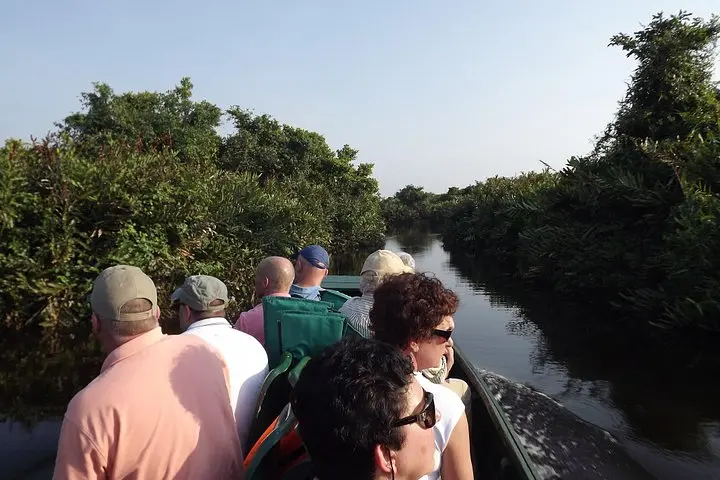
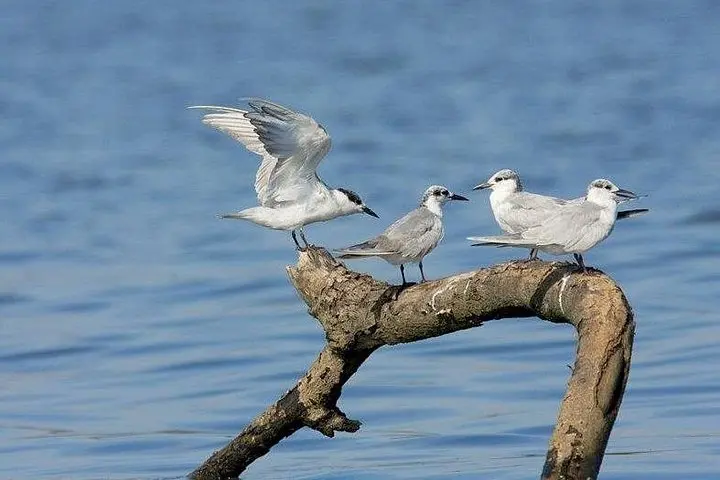
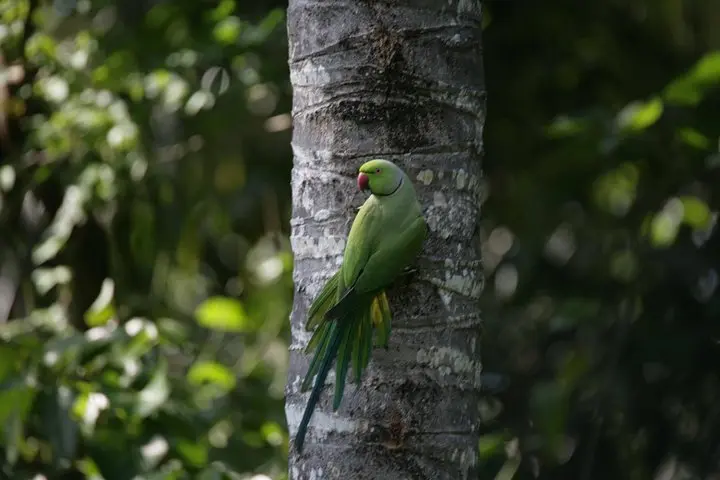
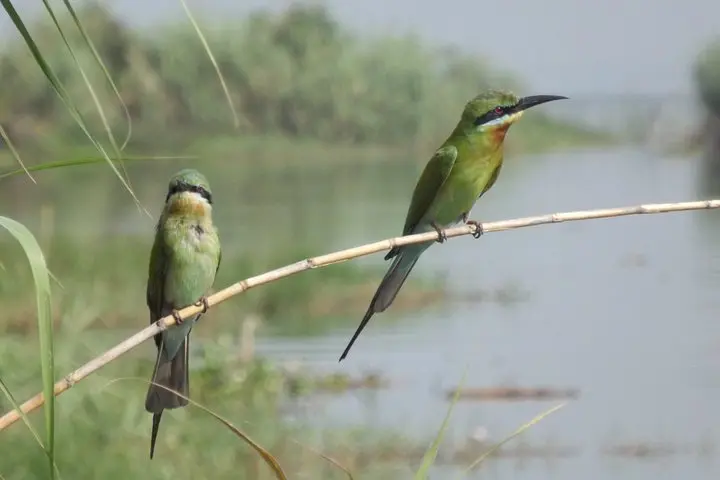
Wading into the first light, the boat slips between ribbons of mangrove and reed. Water beads on the hull, and a guide’s whisper points—an egret pauses like a line drawn against the sky, while kingfishers flash electric blue from a root. The wetlands open in stages: shallow reed beds, braided channels, and a raised mangrove fringe that resists the tide.
Wading into the first light, the boat slips between ribbons of mangrove and reed. Water beads on the hull, and a guide’s whisper points—an egret pauses like a line drawn against the sky, while kingfishers flash electric blue from a root. The wetlands open in stages: shallow reed beds, braided channels, and a raised mangrove fringe that resists the tide.
Muthurajawela is a low-lying peat and freshwater marsh with patches of brackish mangrove where river and sea meet. Long used by local fishing communities, the sanctuary was protected in the late 20th century as Colombo’s urban edge pushed outward; its soils trace back to lagoon infill and tidal sedimentation rather than dramatic tectonics. Cultural ties to the marsh are practical—fishing, reed-harvesting and small rice plots—so the human story here is one of living with water.
On a two-hour guided trip you’ll scan mixed habitats for resident and migrant species, learn calls and identification cues, and pass through microhabitats where reptiles and swallowtail butterflies may appear. Expect close framing of birds from a stable, shallow-draft boat; bring binoculars and steady footing.
Practical tips: morning light gives the best activity and cooler temperatures; insect repellent and sun protection matter; boats can be damp—waterproof layers and secure footwear help. Guides from local operators balance birding pace with respect for nesting areas and community uses, making this an accessible, high-return natural outing within easy reach of Colombo or Negombo.