THE ADVENTURE COLLECTIVE® · Independent discovery and booking for outdoor travel

Explore Diaccia Botrona’s shallow lagoons with a certified environmental guide—boat transfers to inner pools, supplied optics, and photo-focused stops reveal herons, warblers and seasonal flamingos. Learn landscape history while capturing wildlife without disturbing it.
Explore Diaccia Botrona’s shallow lagoons with a certified environmental guide—boat transfers to inner pools, supplied optics, and photo-focused stops reveal herons, warblers and seasonal flamingos. Learn landscape history while capturing wildlife without disturbing it.
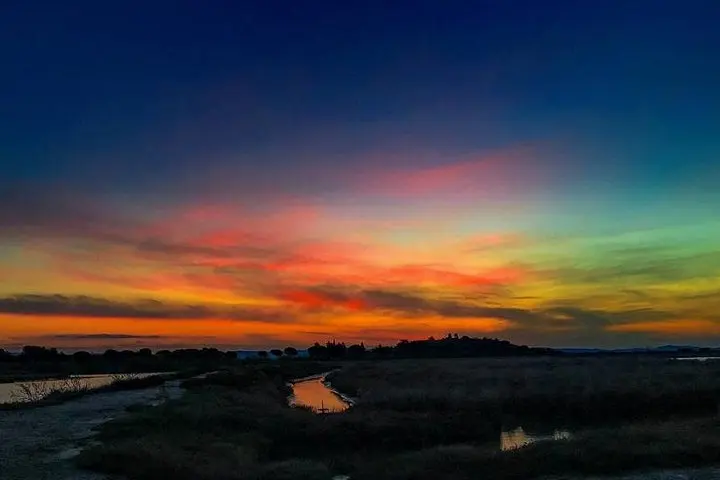
At first light the reed beds of Diaccia Botrona come alive: water shivers, waders lift like punctuation against low sky, and the lagoon’s breath moves in soft tides.
Verified experiences and guided adventures in the surrounding area.
Operated by Maremmagica · Orbetello, Tuscany
At first light the reed beds of Diaccia Botrona come alive: water shivers, waders lift like punctuation against low sky, and the lagoon’s breath moves in soft tides.
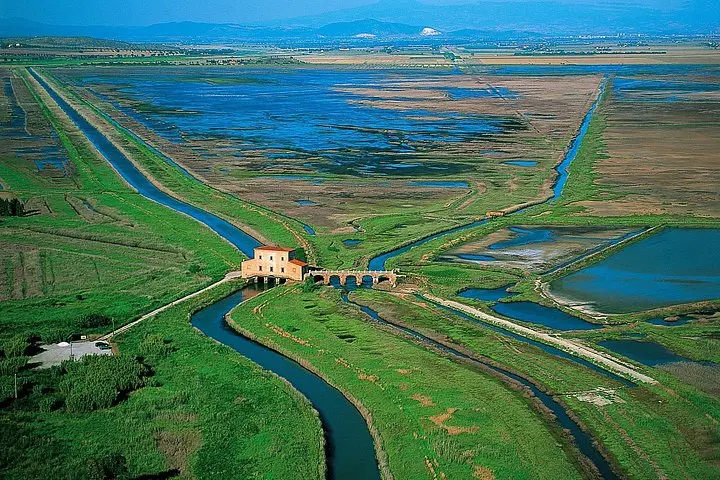
This guided birdwatching and photo tour takes place in one of Tuscany’s last coastal wetlands, an area shaped by Holocene sediments and centuries of land-management decisions. The route passes near Casa Rossa Ximenes, the 1765 hydraulic project tied to Grand Duke Pietro Leopoldo di Lorena, a reminder of human attempts to tame Maremma’s marshes.
Geology here is simple and decisive—shallow, brackish waters, silty flats, and channels cut by tidal flow that concentrate fish and draw birds. Culturally the reserve sits within the Maremma, a working landscape where traditional fishing, salt production and seasonal grazing inform local life; guides often pass on small anecdotes about fishermen and the Ximenes pumping works.
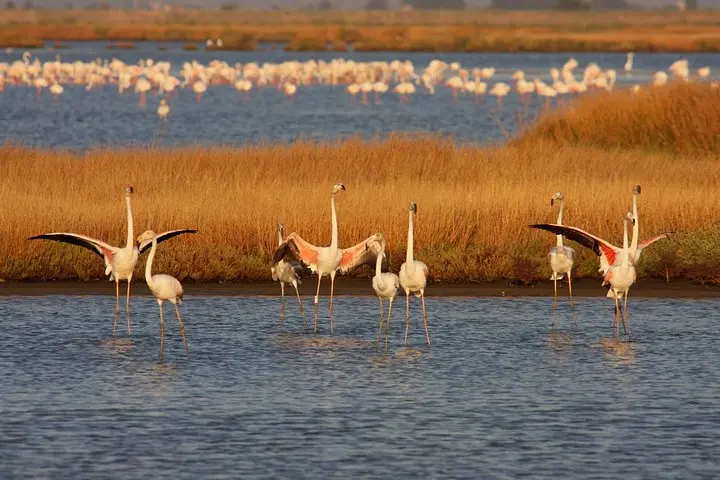
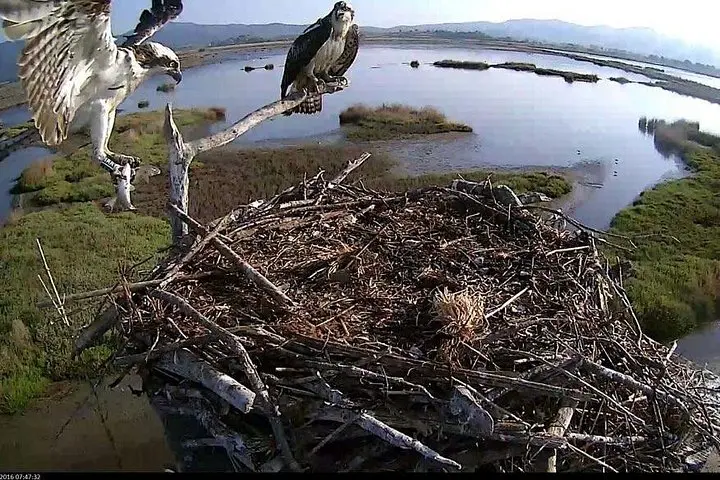
Expect close encounters with reed warblers, herons and periodically flocks of greater flamingo; the boat segments let you reach quieter pools and photograph reflections without trampling sensitive reed margins. The guide supplies optics and steers the group to minimize disturbance.
Practical guidance: arrive with layered clothing for early-morning chills, waterproof footwear for marsh-side access, and a telephoto lens or long zoom for bird portraits. Sunrise and late afternoon are best for light and activity; mid-day can be quiet. Keep noise low, follow the guide’s approach distances, and store scent-heavy food during the tour. The experience is low-impact but dependent on weather—operators may cancel in poor conditions to protect birds and safety.
The tour typically lasts 60–120 minutes depending on group pace and wildlife sightings.
Yes—operators note stroller and wheelchair accessibility, though some marsh-side areas may be uneven.
Yes—a telescope/binoculars are often provided by the guide; bring personal optics if you prefer.
Yes—tours may be cancelled in bad weather to protect wildlife and ensure guest safety; check cancellation terms before booking.
Maremmagica operates guided outdoor trips and adventures with an emphasis on safety, stewardship, and memorable experiences.
At first light the reed beds of Diaccia Botrona come alive: water shivers, waders lift like punctuation against low sky, and the lagoon’s breath moves in soft tides.
At first light the reed beds of Diaccia Botrona come alive: water shivers, waders lift like punctuation against low sky, and the lagoon’s breath moves in soft tides.
This guided birdwatching and photo tour takes place in one of Tuscany’s last coastal wetlands, an area shaped by Holocene sediments and centuries of land-management decisions. The route passes near Casa Rossa Ximenes, the 1765 hydraulic project tied to Grand Duke Pietro Leopoldo di Lorena, a reminder of human attempts to tame Maremma’s marshes.
Geology here is simple and decisive—shallow, brackish waters, silty flats, and channels cut by tidal flow that concentrate fish and draw birds. Culturally the reserve sits within the Maremma, a working landscape where traditional fishing, salt production and seasonal grazing inform local life; guides often pass on small anecdotes about fishermen and the Ximenes pumping works.
Expect close encounters with reed warblers, herons and periodically flocks of greater flamingo; the boat segments let you reach quieter pools and photograph reflections without trampling sensitive reed margins. The guide supplies optics and steers the group to minimize disturbance.
Practical guidance: arrive with layered clothing for early-morning chills, waterproof footwear for marsh-side access, and a telephoto lens or long zoom for bird portraits. Sunrise and late afternoon are best for light and activity; mid-day can be quiet. Keep noise low, follow the guide’s approach distances, and store scent-heavy food during the tour. The experience is low-impact but dependent on weather—operators may cancel in poor conditions to protect birds and safety.