THE ADVENTURE COLLECTIVE® · Independent discovery and booking for outdoor travel

A full-day birding and trekking excursion from Mount Lavinia to Anawilundawa Sanctuary, where freshwater tanks, mangroves and coast meet. Expect early starts, long drives and focused wetland birding for waterbirds, waders and forest species.
A full-day birding and trekking excursion from Mount Lavinia to Anawilundawa Sanctuary, where freshwater tanks, mangroves and coast meet. Expect early starts, long drives and focused wetland birding for waterbirds, waders and forest species.
Dawn breaks over the coastal plain as a minivan slides away from Mount Lavinia, headlights cutting a ribbon of light across rice paddies and low scrub. By the time the road straightens into the Puttalam flats the air tastes of brackish mud and the first calls of marsh birds. Anawilundawa unfolds as a patchwork of freshwater tanks, mangrove fingers and salt pans — three ecosystems rubbing shoulders — and the trail alternates between packed earth, short boardwalks and grassy bunds.
Verified experiences and guided adventures in the surrounding area.
Operated by Lakpura LLC · Chilaw, North Western Province
Dawn breaks over the coastal plain as a minivan slides away from Mount Lavinia, headlights cutting a ribbon of light across rice paddies and low scrub. By the time the road straightens into the Puttalam flats the air tastes of brackish mud and the first calls of marsh birds. Anawilundawa unfolds as a patchwork of freshwater tanks, mangrove fingers and salt pans — three ecosystems rubbing shoulders — and the trail alternates between packed earth, short boardwalks and grassy bunds.
The sanctuary is one of Sri Lanka’s six RAMSAR wetlands, shaped by ancient tank systems and tidal influence; its shallow basins attract migratory waders and resident waterbirds that have used the wetlands for centuries. Local fishing communities and railway towns like Chilaw add a human layer: you’ll pass humble tankside shrines and see farmers drawing water from the same bunds that birds use for nesting.
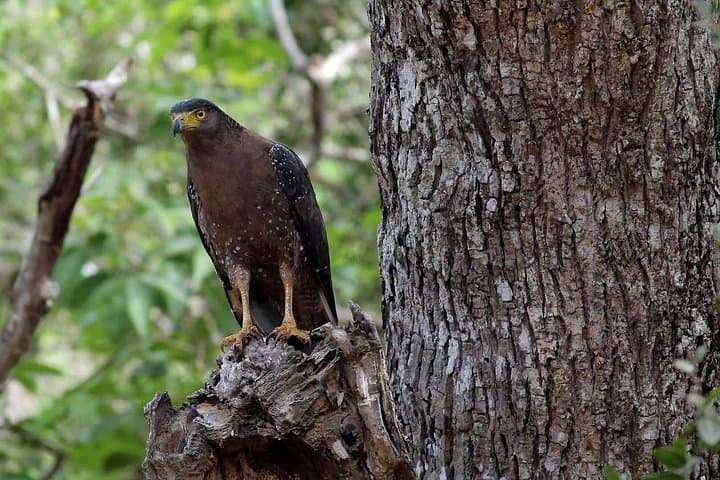
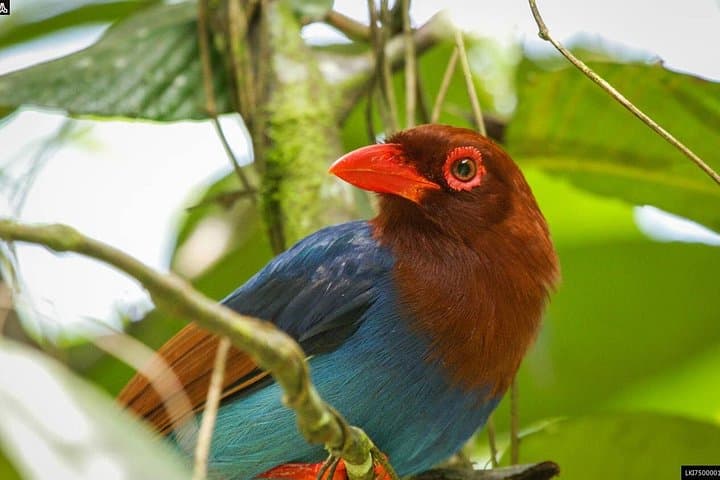
Expect a low-elevation trek with modest walking distances (roughly 4–8 km total across morning and afternoon sessions), minimal elevation gain and variable footing — muddy after rain, sun-baked in the dry season. Guides focus on waterbirds, waders and resident forest species; reptiles and dragonflies are common extras.
Practicalities: start very early — pickup at 5:00 a.m. is typical — bring binoculars, layered sun protection, insect repellent and waterproof footwear. Hydrate before you arrive and pack snacks for a long day; the drive from Mount Lavinia is about 2.5 hours each way. Respect roosting birds by keeping noise and distance down, and follow your guide’s route across fragile tank bunds to limit disturbance.
The drive typically takes about 2.5 hours each way depending on traffic and road conditions, so expect a full 9-hour day including birding time.
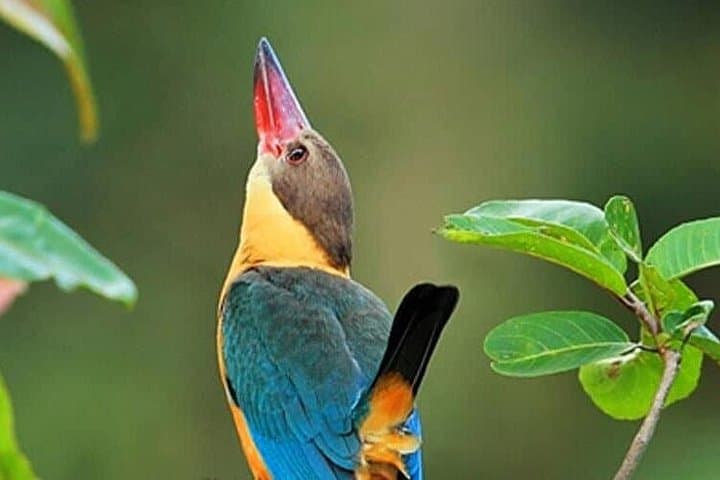
Common sightings include painted stork, Asian openbill, black-winged stilt and a variety of waders and freshwater ducks; forest edge species and dragonflies are also frequent.
The trip requires moderate mobility and involves early starts and some uneven terrain; children and older travelers should be comfortable walking a few kilometers and getting in/out of vehicles.
A knowledgeable local guide is included, and entrance tickets to the sanctuary are typically covered in the tour inclusions.
Lakpura LLC operates guided outdoor trips and adventures with an emphasis on safety, stewardship, and memorable experiences.

Dawn breaks over the coastal plain as a minivan slides away from Mount Lavinia, headlights cutting a ribbon of light across rice paddies and low scrub. By the time the road straightens into the Puttalam flats the air tastes of brackish mud and the first calls of marsh birds. Anawilundawa unfolds as a patchwork of freshwater tanks, mangrove fingers and salt pans — three ecosystems rubbing shoulders — and the trail alternates between packed earth, short boardwalks and grassy bunds.
Dawn breaks over the coastal plain as a minivan slides away from Mount Lavinia, headlights cutting a ribbon of light across rice paddies and low scrub. By the time the road straightens into the Puttalam flats the air tastes of brackish mud and the first calls of marsh birds. Anawilundawa unfolds as a patchwork of freshwater tanks, mangrove fingers and salt pans — three ecosystems rubbing shoulders — and the trail alternates between packed earth, short boardwalks and grassy bunds.
The sanctuary is one of Sri Lanka’s six RAMSAR wetlands, shaped by ancient tank systems and tidal influence; its shallow basins attract migratory waders and resident waterbirds that have used the wetlands for centuries. Local fishing communities and railway towns like Chilaw add a human layer: you’ll pass humble tankside shrines and see farmers drawing water from the same bunds that birds use for nesting.
Expect a low-elevation trek with modest walking distances (roughly 4–8 km total across morning and afternoon sessions), minimal elevation gain and variable footing — muddy after rain, sun-baked in the dry season. Guides focus on waterbirds, waders and resident forest species; reptiles and dragonflies are common extras.
Practicalities: start very early — pickup at 5:00 a.m. is typical — bring binoculars, layered sun protection, insect repellent and waterproof footwear. Hydrate before you arrive and pack snacks for a long day; the drive from Mount Lavinia is about 2.5 hours each way. Respect roosting birds by keeping noise and distance down, and follow your guide’s route across fragile tank bunds to limit disturbance.