THE ADVENTURE COLLECTIVE® · Independent discovery and booking for outdoor travel

Spend a morning at Geelbek Hide in West Coast National Park watching migratory waders, flamingoes and the occasional osprey. This guided tour times visits with the tide and light for optimal birdwatching.
Spend a morning at Geelbek Hide in West Coast National Park watching migratory waders, flamingoes and the occasional osprey. This guided tour times visits with the tide and light for optimal birdwatching.
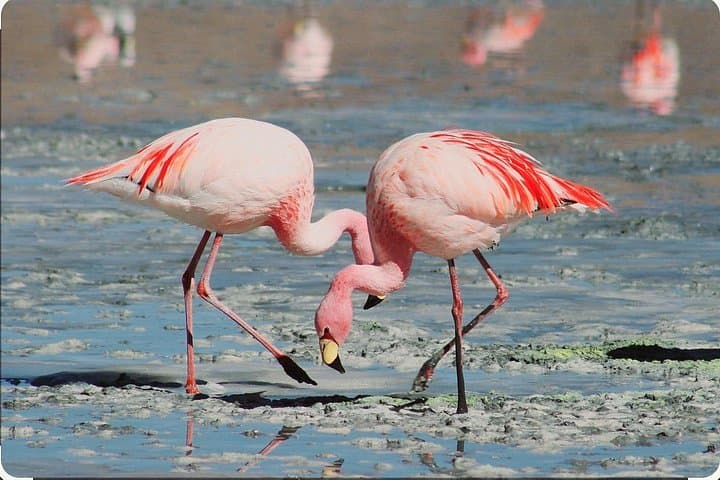
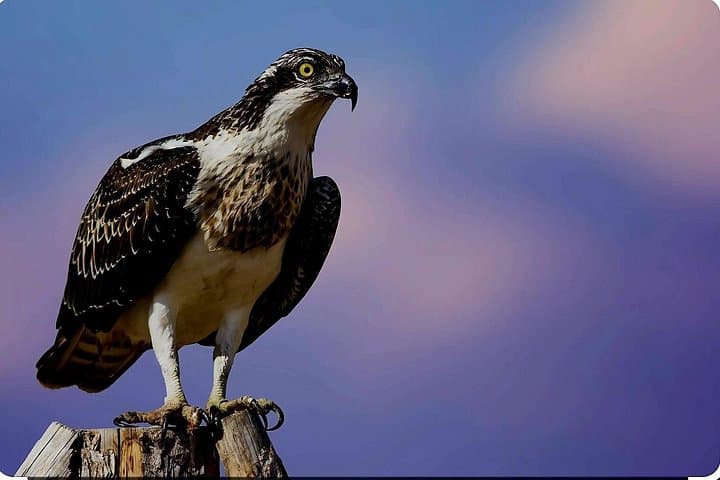
The hide is low and close to the lagoon; you arrive with the smell of salt and reed, toes on a wooden boardwalk, and a glass of binoculars between your palms. Tidal flats spill like a moving plain as Knot and Sanderling probe the edges, flamingoes wheel in a pale arc, and an osprey occasionally pauses over the channel, talons ready.
Verified experiences and guided adventures in the surrounding area.
Operated by Explore our exciting tours and discover unforgettable cultural adventures. · Langebaan, Western Cape
The hide is low and close to the lagoon; you arrive with the smell of salt and reed, toes on a wooden boardwalk, and a glass of binoculars between your palms. Tidal flats spill like a moving plain as Knot and Sanderling probe the edges, flamingoes wheel in a pale arc, and an osprey occasionally pauses over the channel, talons ready.
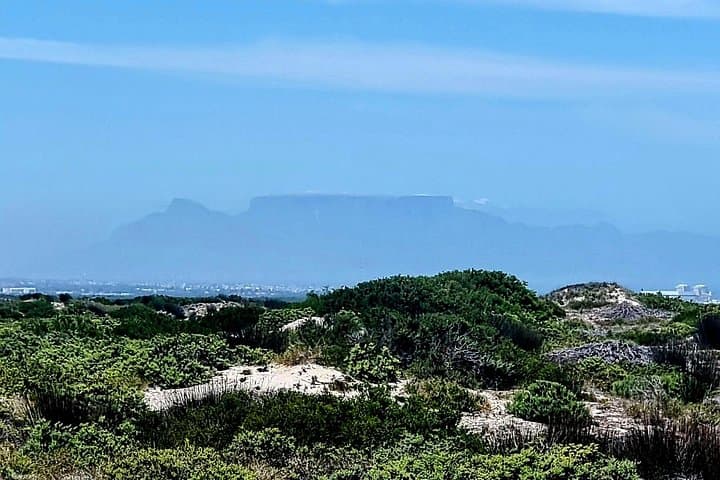
West Coast National Park sits along the Atlantic flank of the Western Cape, its lagoon system carved by sea-level shifts and sediment laid down over millennia. The area has long been a seasonal resource for Khoisan peoples and later for fishing communities; today the park protects both coastal dunes and important intertidal feeding grounds that draw migratory waders from Eurasia and Africa.
Guides at Geelbek Hide use local knowledge to time outings with the tide and light. The geology is visible in low dunes and salt pans; cultures here balance conservation and tourism, and the park’s role in the Langebaan Lagoon Ramsar site keeps bird habitat a priority.
Practical pointers: arrive with binoculars and a spotting scope if you have one, and plan for changing wind and sun—the coast can be cool even on clear days. Expect a 5–7 hour outing including transport; mobility-friendly paths lead most of the way, but bring layers and sun protection. Photography is best at low light near sunrise or late afternoon when waders come close. Keep noise low, follow your guide’s lead when walking to and from hides, and respect distance from nesting or roosting birds.
Tours typically last 5–7 hours door-to-door, including travel to hides and guided observing time.
Geelbek Hide and many paths in the park are wheelchair accessible, but check with the operator about specific vehicle pickup and surface conditions.
Expect waders like Knot, Sanderling, Little Stint, Ruff and Bar-tailed Godwit, plus flamingoes, white pelicans and occasional raptors such as osprey.
Spring and autumn migrations bring the greatest variety; low tides at sunrise or late afternoon give the closest views of feeding waders.
Explore our exciting tours and discover unforgettable cultural adventures. operates guided outdoor trips and adventures with an emphasis on safety, stewardship, and memorable experiences.

The hide is low and close to the lagoon; you arrive with the smell of salt and reed, toes on a wooden boardwalk, and a glass of binoculars between your palms. Tidal flats spill like a moving plain as Knot and Sanderling probe the edges, flamingoes wheel in a pale arc, and an osprey occasionally pauses over the channel, talons ready.
The hide is low and close to the lagoon; you arrive with the smell of salt and reed, toes on a wooden boardwalk, and a glass of binoculars between your palms. Tidal flats spill like a moving plain as Knot and Sanderling probe the edges, flamingoes wheel in a pale arc, and an osprey occasionally pauses over the channel, talons ready.
West Coast National Park sits along the Atlantic flank of the Western Cape, its lagoon system carved by sea-level shifts and sediment laid down over millennia. The area has long been a seasonal resource for Khoisan peoples and later for fishing communities; today the park protects both coastal dunes and important intertidal feeding grounds that draw migratory waders from Eurasia and Africa.
Guides at Geelbek Hide use local knowledge to time outings with the tide and light. The geology is visible in low dunes and salt pans; cultures here balance conservation and tourism, and the park’s role in the Langebaan Lagoon Ramsar site keeps bird habitat a priority.
Practical pointers: arrive with binoculars and a spotting scope if you have one, and plan for changing wind and sun—the coast can be cool even on clear days. Expect a 5–7 hour outing including transport; mobility-friendly paths lead most of the way, but bring layers and sun protection. Photography is best at low light near sunrise or late afternoon when waders come close. Keep noise low, follow your guide’s lead when walking to and from hides, and respect distance from nesting or roosting birds.