THE ADVENTURE COLLECTIVE® · Independent discovery and booking for outdoor travel

Spend a morning at Los Loros Regenerative Nature Reserve, an hour from Cartagena, where parrot rehabilitation meets high-quality birding. Expect guided walks, breakfast by the lake, and sightings of endemic Caribbean dry-forest species.
Spend a morning at Los Loros Regenerative Nature Reserve, an hour from Cartagena, where parrot rehabilitation meets high-quality birding. Expect guided walks, breakfast by the lake, and sightings of endemic Caribbean dry-forest species.
Dawn breaks over a shallow lake and the forest answers: high, metallic parrot calls, a sharp toucan laugh, and the soft rattling of small understory birds. At Los Loros Regenerative Nature Reserve—roughly an hour from Cartagena—visitors move quietly along dirt tracks while biologists point out flashes of turquoise and chestnut in the canopy.
Verified experiences and guided adventures in the surrounding area.
Operated by Fundación Loros · Turbaco, Bolívar
Dawn breaks over a shallow lake and the forest answers: high, metallic parrot calls, a sharp toucan laugh, and the soft rattling of small understory birds. At Los Loros Regenerative Nature Reserve—roughly an hour from Cartagena—visitors move quietly along dirt tracks while biologists point out flashes of turquoise and chestnut in the canopy.
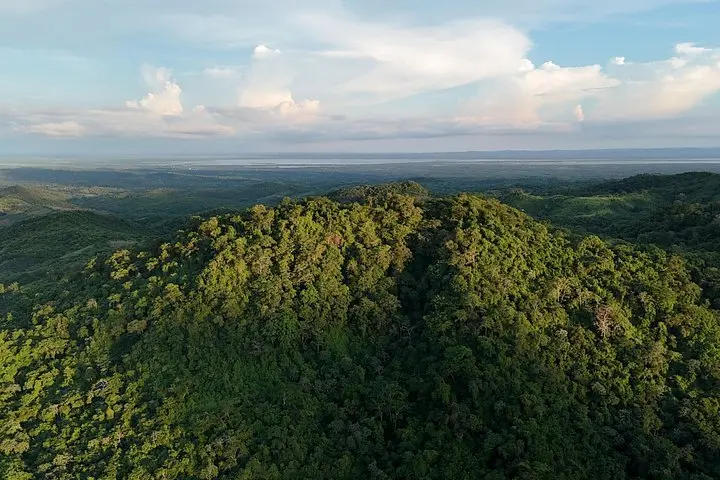
The reserve sits within Colombia’s Caribbean tropical dry forest, a landscape shaped by seasonal rains and underlying alluvial soils rather than alpine rock. Once heavily altered for cattle and agriculture, the area now focuses on restoration and parrot rehabilitation; community programs here grew from local conservation efforts in the early 2000s. Cultural ties to bird keeping and release ceremonies inform daily work—guides balance traditional knowledge with scientific monitoring.
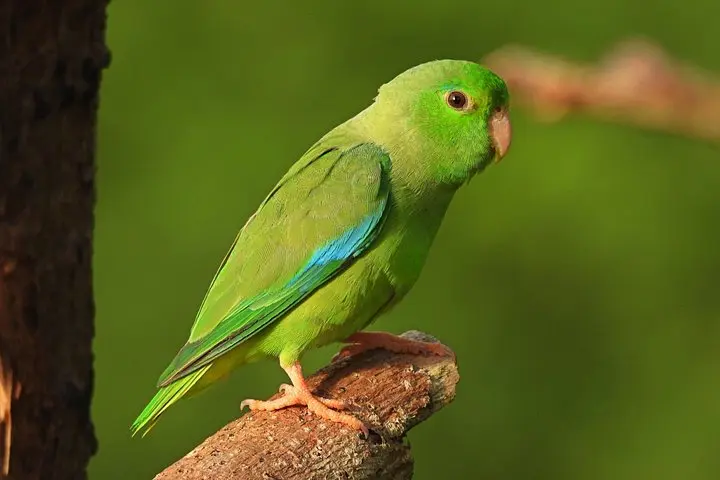
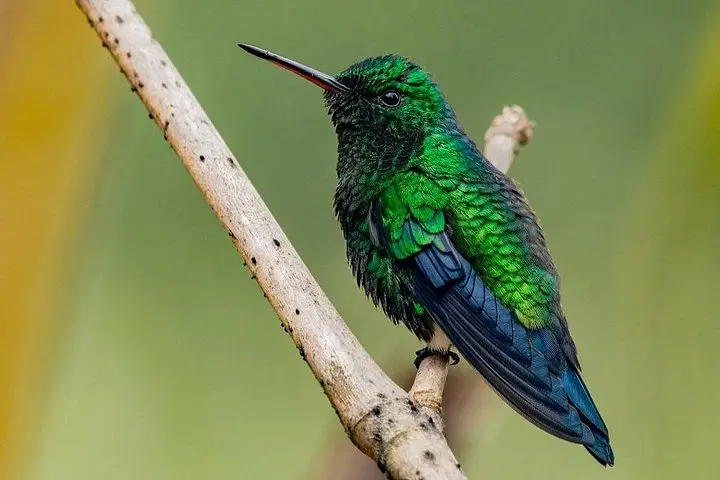
Expect an interpretive walk across mostly flat, well-maintained trails that cut through secondary forest and lakeside edge habitat. Species lists commonly include Turquoise-winged Parrotlet, Chestnut-winged Chachalaca, Keel-billed Toucan, and several hummingbirds; cotton-top tamarins and howler monkeys are frequent companions.
Practically: the full visit runs about four hours, with a lakeside breakfast and an educational briefing. The program is a rehabilitation-focused experience—no direct feeding or touching permitted. Bring close-focusing binoculars, sun protection, and insect repellent; move slowly and let the forest reveal itself. Weather can change quickly during the wet season, so layer and keep electronics protected. The visit is ideal for birders who want a mix of guided conservation work and classic Caribbean dry-forest birding.
The reserve is about a one-hour drive from central Cartagena depending on traffic; private transport is usually provided.
No — the center is a rehabilitation facility and all contact and feeding are performed by trained staff only.
Common highlights include Turquoise-winged Parrotlet, Chestnut-winged Chachalaca, Keel-billed Toucan, and several hummingbirds; rare species are possible with a patient guide.
Children can join if supervised; however, people with significant mobility limitations may find some trails uneven—notify the operator so they can advise on access and pickup points.
Fundación Loros operates guided outdoor trips and adventures with an emphasis on safety, stewardship, and memorable experiences.
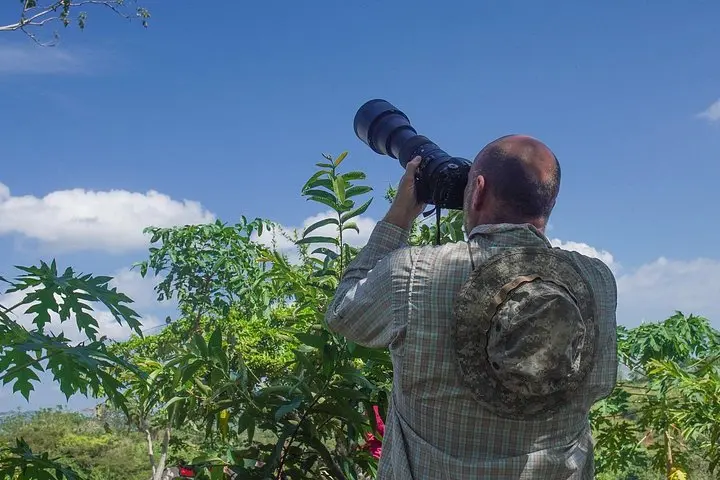
Dawn breaks over a shallow lake and the forest answers: high, metallic parrot calls, a sharp toucan laugh, and the soft rattling of small understory birds. At Los Loros Regenerative Nature Reserve—roughly an hour from Cartagena—visitors move quietly along dirt tracks while biologists point out flashes of turquoise and chestnut in the canopy.
Dawn breaks over a shallow lake and the forest answers: high, metallic parrot calls, a sharp toucan laugh, and the soft rattling of small understory birds. At Los Loros Regenerative Nature Reserve—roughly an hour from Cartagena—visitors move quietly along dirt tracks while biologists point out flashes of turquoise and chestnut in the canopy.
The reserve sits within Colombia’s Caribbean tropical dry forest, a landscape shaped by seasonal rains and underlying alluvial soils rather than alpine rock. Once heavily altered for cattle and agriculture, the area now focuses on restoration and parrot rehabilitation; community programs here grew from local conservation efforts in the early 2000s. Cultural ties to bird keeping and release ceremonies inform daily work—guides balance traditional knowledge with scientific monitoring.
Expect an interpretive walk across mostly flat, well-maintained trails that cut through secondary forest and lakeside edge habitat. Species lists commonly include Turquoise-winged Parrotlet, Chestnut-winged Chachalaca, Keel-billed Toucan, and several hummingbirds; cotton-top tamarins and howler monkeys are frequent companions.
Practically: the full visit runs about four hours, with a lakeside breakfast and an educational briefing. The program is a rehabilitation-focused experience—no direct feeding or touching permitted. Bring close-focusing binoculars, sun protection, and insect repellent; move slowly and let the forest reveal itself. Weather can change quickly during the wet season, so layer and keep electronics protected. The visit is ideal for birders who want a mix of guided conservation work and classic Caribbean dry-forest birding.