THE ADVENTURE COLLECTIVE® · Independent discovery and booking for outdoor travel

Walk past almond orchards onto the Ria de Alvor marshes and watch flamingos, Osprey, and spring bee-eaters on a focused 2–3 hour guided birding tour. Learn local natural history and plan around tides to get the best sightings.
Walk past almond orchards onto the Ria de Alvor marshes and watch flamingos, Osprey, and spring bee-eaters on a focused 2–3 hour guided birding tour. Learn local natural history and plan around tides to get the best sightings.
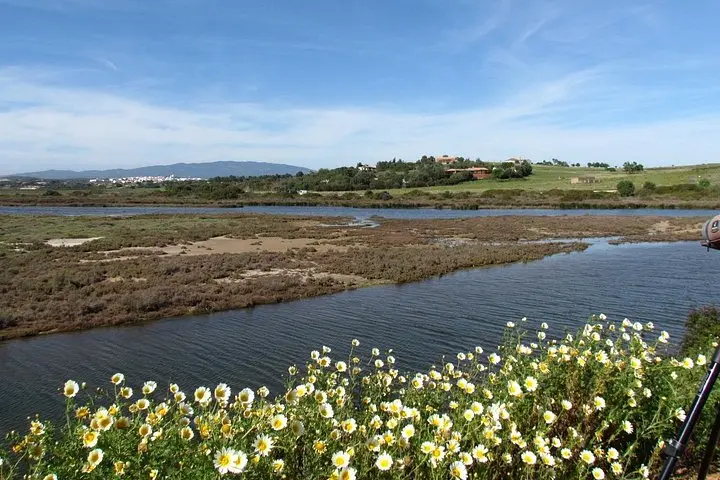
You step off the lane where almond trees lean toward the salt flats and the air smells faintly of brine and blossom. Footsteps on soft farm tracks lead you out across the Quinta da Rocha peninsula; reeds rustle, and somewhere beyond the mudflats a flock of pink flamingos shifts like a living comma against shallow water.
Verified experiences and guided adventures in the surrounding area.
Operated by A Rocha Life · Alvor, Faro District
You step off the lane where almond trees lean toward the salt flats and the air smells faintly of brine and blossom. Footsteps on soft farm tracks lead you out across the Quinta da Rocha peninsula; reeds rustle, and somewhere beyond the mudflats a flock of pink flamingos shifts like a living comma against shallow water.
This guided walk threads cultural and natural history: the Ria de Alvor has been a working estuary for centuries, shaped by tides, fishermen, and bocage orchards. Geologically the lagoon is a drowned river valley—sheltered waters that trap silt and create extensive mudflats used by migratory birds. Locals have long harvested clams and cockles here, a practice visible at low tide and part of the estuary’s living culture.
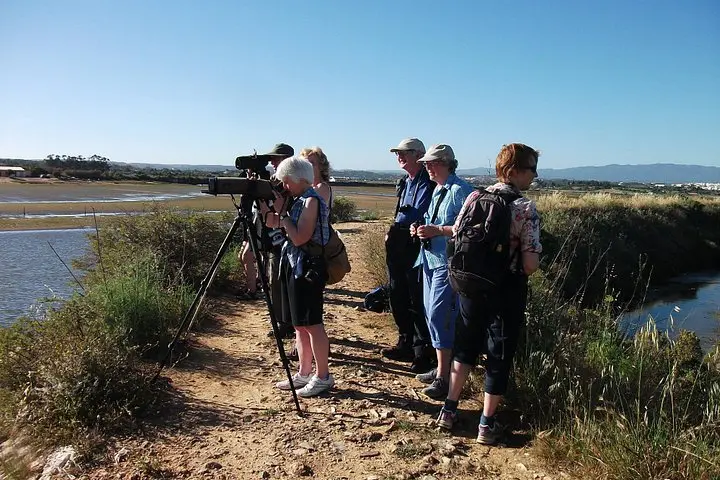
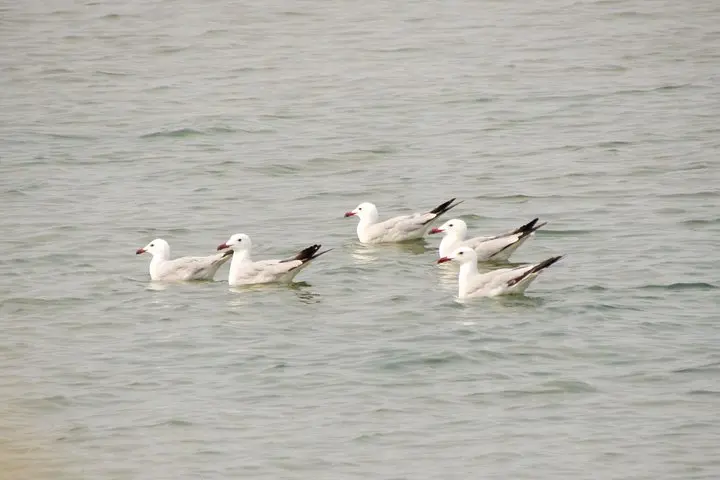
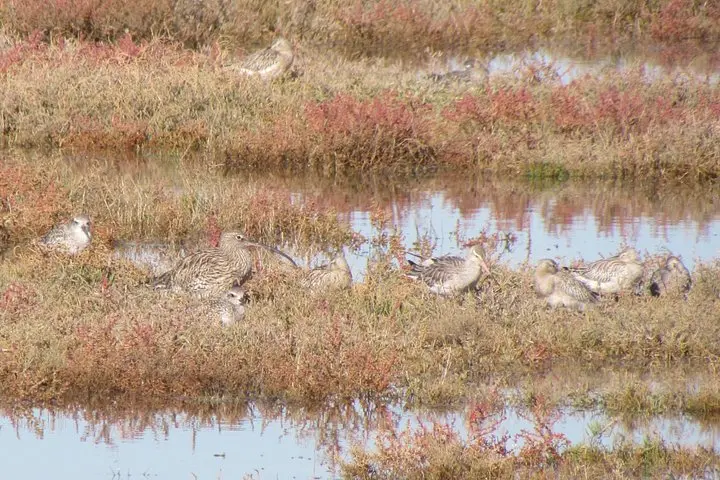
Expect flat, easy terrain across pasture edges, orchards, and marsh boardwalks. Key sightings include flamingos and Osprey, with spring bringing bee-eaters and January showing almond bloom—ideal for photographers and birders alike. Guides often bring a telescope to scan distant mudflats and will orient you to identify waders and passerines.
Practical guidance: plan around the tide—low tide exposes feeding birds but can mean muddier paths. Wear sturdy shoes and bring binoculars, water, sun protection, and a lightweight jacket for off-shore breezes. Tours run about 2–3 hours and are suitable for most fitness levels; keep voices low and follow the guide to minimize disturbance. With a little patience you may watch an Osprey attempt a fish grab, a precise, thrilling moment that sums up the estuary’s everyday drama.
Tours run about 2–3 hours and cover flat pasture and marsh tracks with frequent stops for viewing.
Flamingos and Osprey are regular sightings, but wildlife is never guaranteed—timing and tides improve odds.
Yes—this is an easy walk suitable for beginners and families; the guide adapts pace for the group.
Binoculars are recommended; the tour includes a telescope for group viewing of distant birds.
A Rocha Life operates guided outdoor trips and adventures with an emphasis on safety, stewardship, and memorable experiences.
You step off the lane where almond trees lean toward the salt flats and the air smells faintly of brine and blossom. Footsteps on soft farm tracks lead you out across the Quinta da Rocha peninsula; reeds rustle, and somewhere beyond the mudflats a flock of pink flamingos shifts like a living comma against shallow water.
You step off the lane where almond trees lean toward the salt flats and the air smells faintly of brine and blossom. Footsteps on soft farm tracks lead you out across the Quinta da Rocha peninsula; reeds rustle, and somewhere beyond the mudflats a flock of pink flamingos shifts like a living comma against shallow water.
This guided walk threads cultural and natural history: the Ria de Alvor has been a working estuary for centuries, shaped by tides, fishermen, and bocage orchards. Geologically the lagoon is a drowned river valley—sheltered waters that trap silt and create extensive mudflats used by migratory birds. Locals have long harvested clams and cockles here, a practice visible at low tide and part of the estuary’s living culture.
Expect flat, easy terrain across pasture edges, orchards, and marsh boardwalks. Key sightings include flamingos and Osprey, with spring bringing bee-eaters and January showing almond bloom—ideal for photographers and birders alike. Guides often bring a telescope to scan distant mudflats and will orient you to identify waders and passerines.
Practical guidance: plan around the tide—low tide exposes feeding birds but can mean muddier paths. Wear sturdy shoes and bring binoculars, water, sun protection, and a lightweight jacket for off-shore breezes. Tours run about 2–3 hours and are suitable for most fitness levels; keep voices low and follow the guide to minimize disturbance. With a little patience you may watch an Osprey attempt a fish grab, a precise, thrilling moment that sums up the estuary’s everyday drama.