THE ADVENTURE COLLECTIVE® · Independent discovery and booking for outdoor travel

Spend a full day chasing high-Andean birds east of Bogotá: Chingaza National Park’s páramo and the hummingbird feeders of La Calera put endemics and spectacular species within reach. Expect cold, altitude, and unforgettable sightings.
Spend a full day chasing high-Andean birds east of Bogotá: Chingaza National Park’s páramo and the hummingbird feeders of La Calera put endemics and spectacular species within reach. Expect cold, altitude, and unforgettable sightings.
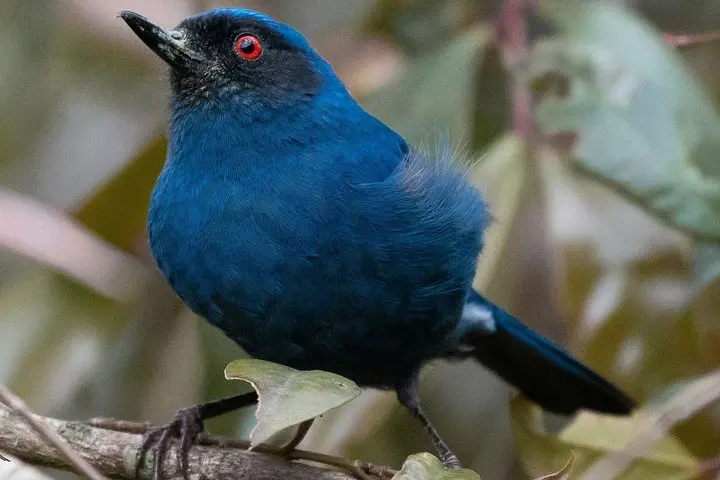
A cold, pinprick dawn lifts over páramo ridges as the van snakes east from Bogotá toward Chingaza. Grass and scrub blur into moorland; mist clings to ancient bogs and the air thins so that each breath feels like a careful negotiation. By first light guides have already trained their optics on thickets where iridescent hummingbirds flash and highland songbirds call from mossy trunks.
Verified experiences and guided adventures in the surrounding area.
Operated by BOGOTA BIRDING & COLOMBIA WILDLIFE TOURS · Bogotá, Cundinamarca
A cold, pinprick dawn lifts over páramo ridges as the van snakes east from Bogotá toward Chingaza. Grass and scrub blur into moorland; mist clings to ancient bogs and the air thins so that each breath feels like a careful negotiation. By first light guides have already trained their optics on thickets where iridescent hummingbirds flash and highland songbirds call from mossy trunks.
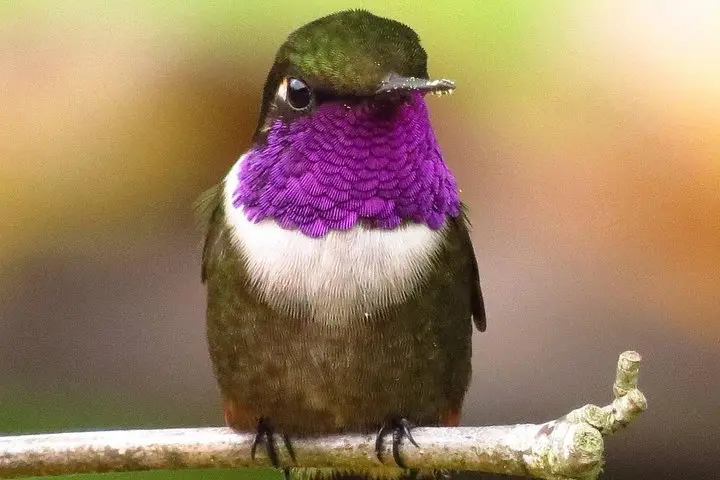
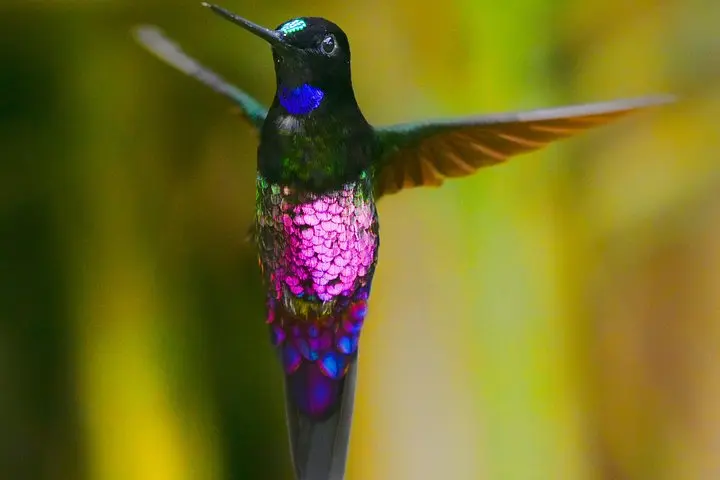
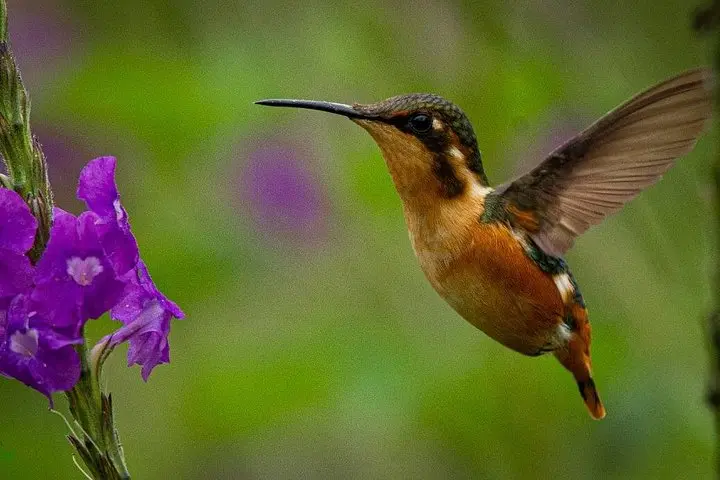
Chingaza National Park preserves high-Andean ecosystems shaped by glacial sculpting and volcanic soils, with elevations here from roughly 2,800–3,400 m. Human history is written in pre-Columbian paths and the colonial roads that cut through these slopes; today local communities near La Calera steward grazing páramo and protect water sources that supply Bogotá. The Observatorio de Colibries offers an intimate contrast: feeders and gardens draw sword-billed and sapphirewing close enough to study wingbeats and bill geometry.
Practical guidance: departures start very early and the full day runs about 10 hours with on-foot sections across uneven, wet ground. Expect rapid weather shifts—sun, wind, drizzle, and cold can arrive in one hour. Wear warm, layered clothing, rubber-soled boots for muddy trails, and bring binoculars and a camera with a telephoto lens. Hydrate before you ascend and pace on steep sections to limit altitude effects. Lunch is typically provided, but bring snacks and spare batteries.
This itinerary is ideal for serious birders and travelers comfortable with long days at high elevation; rewards include near-endemics like the Blue-throated Starfrontlet and an up-close look at hummingbird diversity.
The trip is roughly 10 hours and typically departs around 5:00 AM from Bogotá to maximize morning bird activity.
The sites reach 2,800–3,400 m; most people tolerate this with rest and hydration, but anyone with serious heart or lung issues should consult a physician.
Yes — the afternoon visit to the Observatorio de Colibries uses feeders and gardens to attract multiple hummingbird species at close range.
Yes — private transport, snacks, breakfast, and lunch are included, along with a bilingual guide and park entry fees.
BOGOTA BIRDING & COLOMBIA WILDLIFE TOURS operates guided outdoor trips and adventures with an emphasis on safety, stewardship, and memorable experiences.
A cold, pinprick dawn lifts over páramo ridges as the van snakes east from Bogotá toward Chingaza. Grass and scrub blur into moorland; mist clings to ancient bogs and the air thins so that each breath feels like a careful negotiation. By first light guides have already trained their optics on thickets where iridescent hummingbirds flash and highland songbirds call from mossy trunks.
A cold, pinprick dawn lifts over páramo ridges as the van snakes east from Bogotá toward Chingaza. Grass and scrub blur into moorland; mist clings to ancient bogs and the air thins so that each breath feels like a careful negotiation. By first light guides have already trained their optics on thickets where iridescent hummingbirds flash and highland songbirds call from mossy trunks.
Chingaza National Park preserves high-Andean ecosystems shaped by glacial sculpting and volcanic soils, with elevations here from roughly 2,800–3,400 m. Human history is written in pre-Columbian paths and the colonial roads that cut through these slopes; today local communities near La Calera steward grazing páramo and protect water sources that supply Bogotá. The Observatorio de Colibries offers an intimate contrast: feeders and gardens draw sword-billed and sapphirewing close enough to study wingbeats and bill geometry.
Practical guidance: departures start very early and the full day runs about 10 hours with on-foot sections across uneven, wet ground. Expect rapid weather shifts—sun, wind, drizzle, and cold can arrive in one hour. Wear warm, layered clothing, rubber-soled boots for muddy trails, and bring binoculars and a camera with a telephoto lens. Hydrate before you ascend and pace on steep sections to limit altitude effects. Lunch is typically provided, but bring snacks and spare batteries.
This itinerary is ideal for serious birders and travelers comfortable with long days at high elevation; rewards include near-endemics like the Blue-throated Starfrontlet and an up-close look at hummingbird diversity.