THE ADVENTURE COLLECTIVE® · Independent discovery and booking for outdoor travel
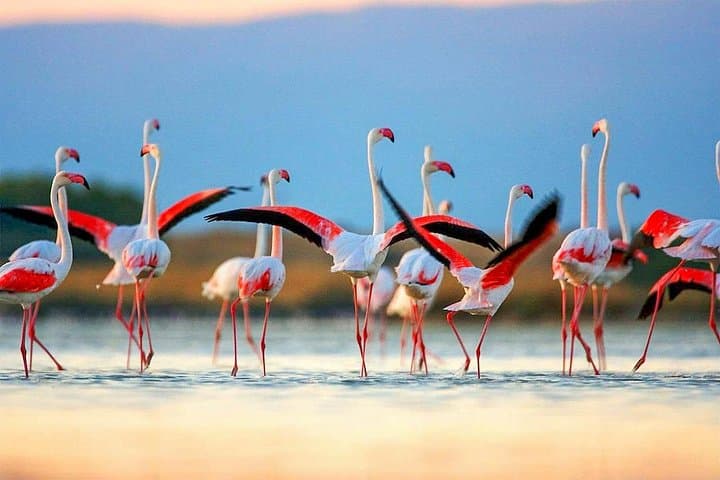
Shallow mudflats, mangrove channels and palmyra-lined shorelines make Chundikkulam a top spot for waders and migratory birds. This guided 3-hour excursion focuses on lagoon viewpoints where you can watch flamingos, stints and spoonbills feed and rest.
Shallow mudflats, mangrove channels and palmyra-lined shorelines make Chundikkulam a top spot for waders and migratory birds. This guided 3-hour excursion focuses on lagoon viewpoints where you can watch flamingos, stints and spoonbills feed and rest.
The first light hits the shallow flats and the lagoon wakes in a scatter of silhouettes—flamingos preening, stilts probing, and terns angling for breakfast. You stand at the edge of Chundikkulam Lagoon where tidal fingers braid through mangrove roots and palmyra palms fringe the scrub, the air thick with salt and bird calls.
Verified experiences and guided adventures in the surrounding area.
Operated by Lakpura LLC · Chundikulam, Northern Province
The first light hits the shallow flats and the lagoon wakes in a scatter of silhouettes—flamingos preening, stilts probing, and terns angling for breakfast. You stand at the edge of Chundikkulam Lagoon where tidal fingers braid through mangrove roots and palmyra palms fringe the scrub, the air thick with salt and bird calls.
Declared a bird sanctuary in 1938 under the Fauna and Flora Protection Ordinance, Chundikkulam protects a mosaic of sea grass beds, mangrove swamp and dry-zone scrub that feeds both resident and migratory waders. Geologically the lagoon is a shallow coastal basin, its shallow tides and mudflats ideal for probing bills; sedimentation and seasonal rains shift feeding patterns through the year.
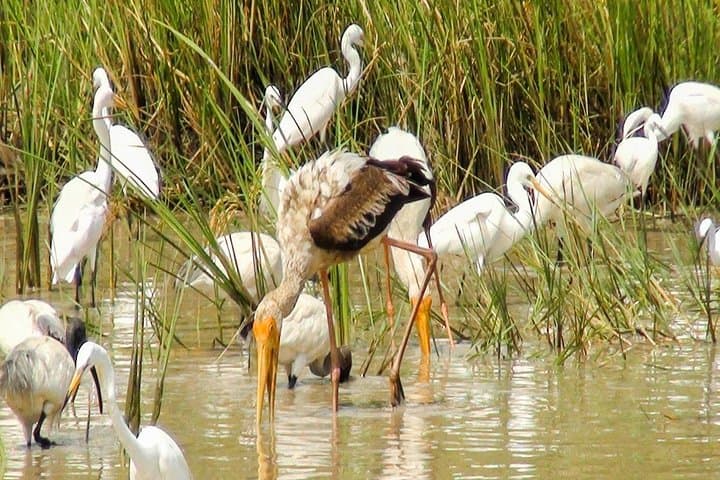
Local fishing villages and palmyra cultivations shape the human landscape; guides often point out traditional uses of the palms and the subtle influence of tides on accessibility. Expect to see greater flamingo, painted stork and a long list of waders during peak season.
Practical guidance: tours are typically short guided excursions (around 3 hours) with light walking along lagoon edges and viewpoints—bring binoculars, sun protection and insect repellent. Plan morning or late-afternoon outings for best light and activity. Because much of the habitat is tidal and exposed, check wind and tide conditions and dress for heat and possible mud. Respect local communities and avoid disturbing roosts—quiet observation and staying on established paths deliver the best wildlife views.
Most guided visits last about 3 hours and combine short walks with stationary observation points along the lagoon edge.
Peak migrant season runs roughly November through March, when waders and wintering waterfowl concentrate on the mudflats.
Access involves short uneven walks and some exposed shoreline—moderate mobility is recommended; guides can tailor pace for families or seniors.
Guided tours are common and recommended for locating birds and understanding local ecology; check with local operators about any park fees or permissions.
Lakpura LLC operates guided outdoor trips and adventures with an emphasis on safety, stewardship, and memorable experiences.
The first light hits the shallow flats and the lagoon wakes in a scatter of silhouettes—flamingos preening, stilts probing, and terns angling for breakfast. You stand at the edge of Chundikkulam Lagoon where tidal fingers braid through mangrove roots and palmyra palms fringe the scrub, the air thick with salt and bird calls.
The first light hits the shallow flats and the lagoon wakes in a scatter of silhouettes—flamingos preening, stilts probing, and terns angling for breakfast. You stand at the edge of Chundikkulam Lagoon where tidal fingers braid through mangrove roots and palmyra palms fringe the scrub, the air thick with salt and bird calls.
Declared a bird sanctuary in 1938 under the Fauna and Flora Protection Ordinance, Chundikkulam protects a mosaic of sea grass beds, mangrove swamp and dry-zone scrub that feeds both resident and migratory waders. Geologically the lagoon is a shallow coastal basin, its shallow tides and mudflats ideal for probing bills; sedimentation and seasonal rains shift feeding patterns through the year.
Local fishing villages and palmyra cultivations shape the human landscape; guides often point out traditional uses of the palms and the subtle influence of tides on accessibility. Expect to see greater flamingo, painted stork and a long list of waders during peak season.
Practical guidance: tours are typically short guided excursions (around 3 hours) with light walking along lagoon edges and viewpoints—bring binoculars, sun protection and insect repellent. Plan morning or late-afternoon outings for best light and activity. Because much of the habitat is tidal and exposed, check wind and tide conditions and dress for heat and possible mud. Respect local communities and avoid disturbing roosts—quiet observation and staying on established paths deliver the best wildlife views.
