THE ADVENTURE COLLECTIVE® · Independent discovery and booking for outdoor travel

Walk the cloud forest with a local guide and listen for quetzals and umbrellabirds in Monteverde. This private, four-hour birding tour targets the region’s best hotspots and adapts to seasonal movements for maximum sightings.
Walk the cloud forest with a local guide and listen for quetzals and umbrellabirds in Monteverde. This private, four-hour birding tour targets the region’s best hotspots and adapts to seasonal movements for maximum sightings.
Fog threads through the cloud forest as the group slips off the trail—each footstep the soft drum of human presence against a world that talks in birdcalls. Guides tune ears to the high, flute-like note of a resplendent quetzal and the hollow rattle of umbrellabird wings; the forest answers with flashes of color and quick silhouettes between moss-draped branches.
Verified experiences and guided adventures in the surrounding area.
Operated by Three Brothers Tours · Santa Elena, Puntarenas
Fog threads through the cloud forest as the group slips off the trail—each footstep the soft drum of human presence against a world that talks in birdcalls. Guides tune ears to the high, flute-like note of a resplendent quetzal and the hollow rattle of umbrellabird wings; the forest answers with flashes of color and quick silhouettes between moss-draped branches.
Monteverde sits on the spine of Costa Rica where volcanic soils and orographic lift create persistent cloud cover, feeding a high-elevation ecosystem rich in epiphytes and fruiting trees. The area’s conservation history springs from grassroots efforts in the 1970s to protect water and wildlife, and today small communities around Santa Elena balance ecotourism with cattle pasture and coffee plots. Culturally, local guides—many raised in the region—combine indigenous and settler knowledge to find seasonal feeding grounds and lek sites.
On a four-hour guided walk guests should expect uneven forest trails, steep short sections, and frequent stops to scan the canopy. Guides select birding spots by season and recent sightings, increasing chances to see quetzal, keel-billed toucan, resplendent trogon, and umbrellabird. Bring quiet, steady binoculars, a rain shell, and neutral clothing; move deliberately—birds respond to patience.
Plan early-morning departures when activity peaks and light is best for identification. Expect wet microclimates—waterproof footwear and layered insulation are practical. For photographers use a long lens and fast ISO; for casual observers, a good pair of binoculars and a trained guide are the trip’s most useful investments.
Sightings vary by season and luck, but guided walks in Monteverde commonly produce 20–60 species during a four-hour morning outing.
Yes—children who can walk for a few hours and stay quiet typically do well; notify the operator of ages when booking.
No—guides accommodate all skill levels and will point out visual cues and calls to help with identification.
Tours operate in light rain; heavy weather may trigger cancellation with refund if announced at least 24 hours before departure.
Three Brothers Tours operates guided outdoor trips and adventures with an emphasis on safety, stewardship, and memorable experiences.
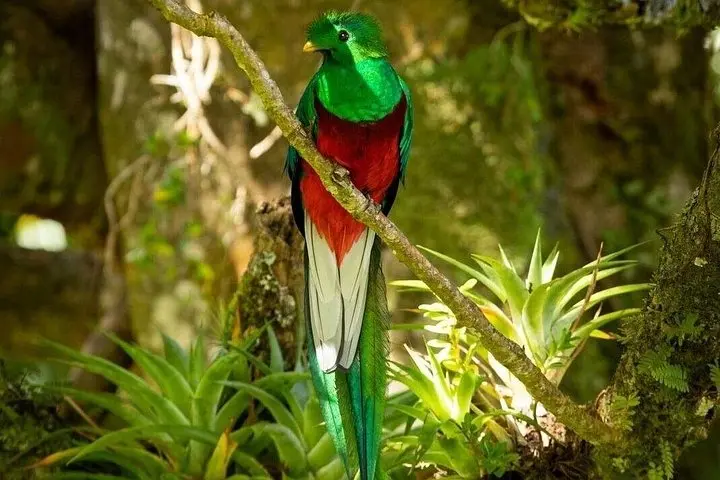
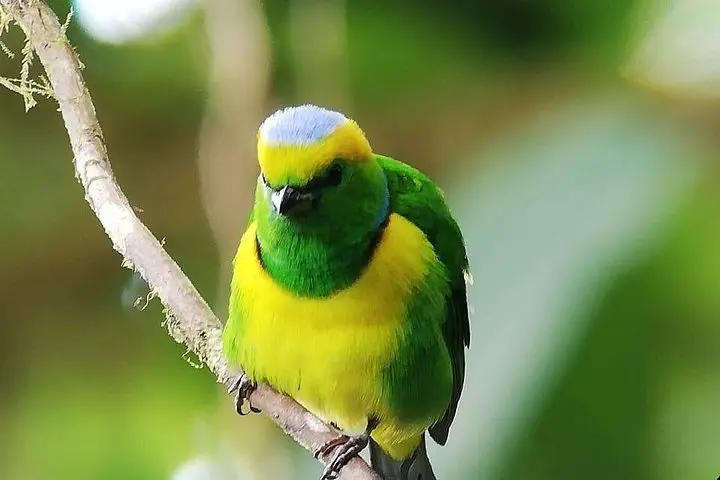
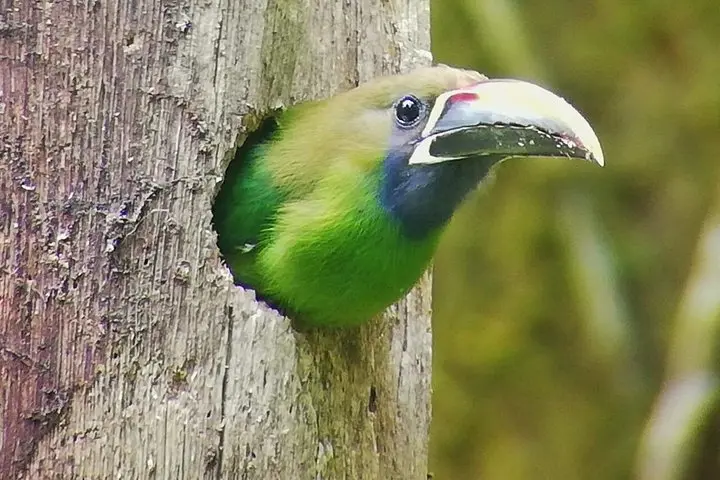
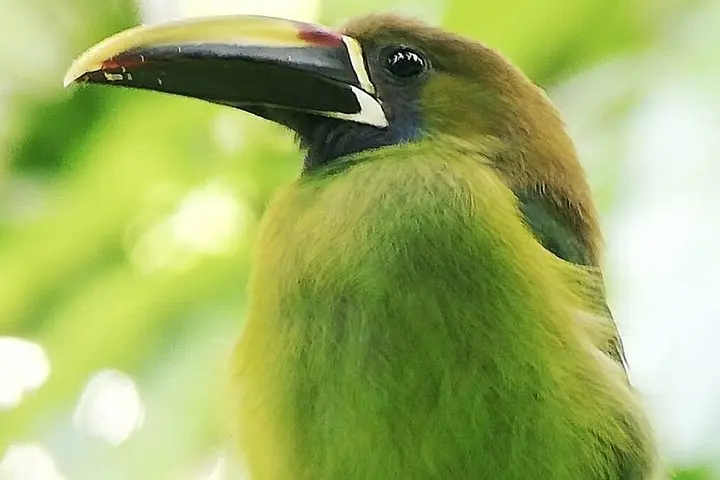
Fog threads through the cloud forest as the group slips off the trail—each footstep the soft drum of human presence against a world that talks in birdcalls. Guides tune ears to the high, flute-like note of a resplendent quetzal and the hollow rattle of umbrellabird wings; the forest answers with flashes of color and quick silhouettes between moss-draped branches.
Fog threads through the cloud forest as the group slips off the trail—each footstep the soft drum of human presence against a world that talks in birdcalls. Guides tune ears to the high, flute-like note of a resplendent quetzal and the hollow rattle of umbrellabird wings; the forest answers with flashes of color and quick silhouettes between moss-draped branches.
Monteverde sits on the spine of Costa Rica where volcanic soils and orographic lift create persistent cloud cover, feeding a high-elevation ecosystem rich in epiphytes and fruiting trees. The area’s conservation history springs from grassroots efforts in the 1970s to protect water and wildlife, and today small communities around Santa Elena balance ecotourism with cattle pasture and coffee plots. Culturally, local guides—many raised in the region—combine indigenous and settler knowledge to find seasonal feeding grounds and lek sites.
On a four-hour guided walk guests should expect uneven forest trails, steep short sections, and frequent stops to scan the canopy. Guides select birding spots by season and recent sightings, increasing chances to see quetzal, keel-billed toucan, resplendent trogon, and umbrellabird. Bring quiet, steady binoculars, a rain shell, and neutral clothing; move deliberately—birds respond to patience.
Plan early-morning departures when activity peaks and light is best for identification. Expect wet microclimates—waterproof footwear and layered insulation are practical. For photographers use a long lens and fast ISO; for casual observers, a good pair of binoculars and a trained guide are the trip’s most useful investments.