
Birdwatching in Sian Ka'an Biosphere Reserve: Muyil Jungle & Wetlands Tour
Early morning walks through Muyil’s jungle and wetlands reveal resident and migratory birds along ancient Maya channels. This 3‑hour guided tour covers semi‑deciduous forest, freshwater lagoons, and archaeological points of interest—ideal for beginners and seasoned birders alike.
An Adventure In Tulum.
Early morning walks through Muyil’s jungle and wetlands reveal resident and migratory birds along ancient Maya channels. This 3‑hour guided tour covers semi‑deciduous forest, freshwater lagoons, and archaeological points of interest—ideal for beginners and seasoned birders alike.
Read the full experience
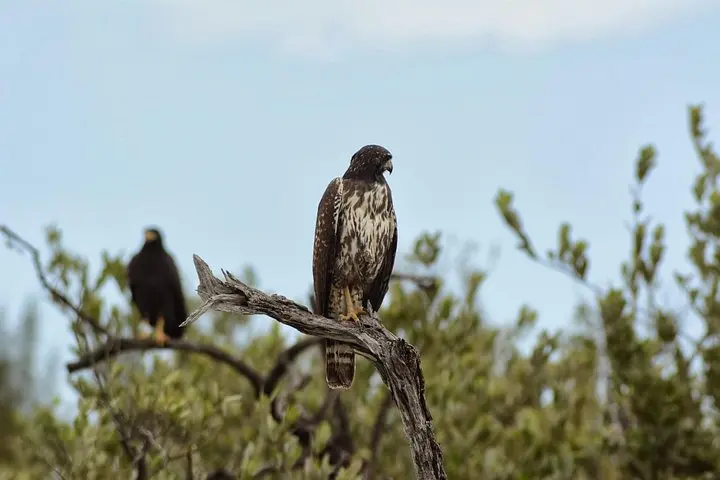
The trail opens before sunrise, air heavy with humidity and the first insect calls. You push through shady trails of semi‑deciduous jungle and arrive at low wetlands where the foliage parts and the water claims the light. A local guide scans the canopy and leads you toward the call of a distant raptor—this is Sian Ka'an, where migratory highways meet resident flocks.
The trail opens before sunrise, air heavy with humidity and the first insect calls. You push through shady trails of semi‑deciduous jungle and arrive at low wetlands where the foliage parts and the water claims the light. A local guide scans the canopy and leads you toward the call of a distant raptor—this is Sian Ka'an, where migratory highways meet resident flocks.
The Muyil area was a Maya waypoint, a lowland trade post that made use of canals and coastal access; those ancient canals still shape the wetlands and the channels you’ll study with a guide. Geologically the region is limestone plain and karst, with pockets of freshwater lagoons and mangrove fringe that feed a concentrated bird population. Culturally, the reserve is both a living landscape for coastal communities and a protected UNESCO biosphere that prioritizes seasonal bird corridors.
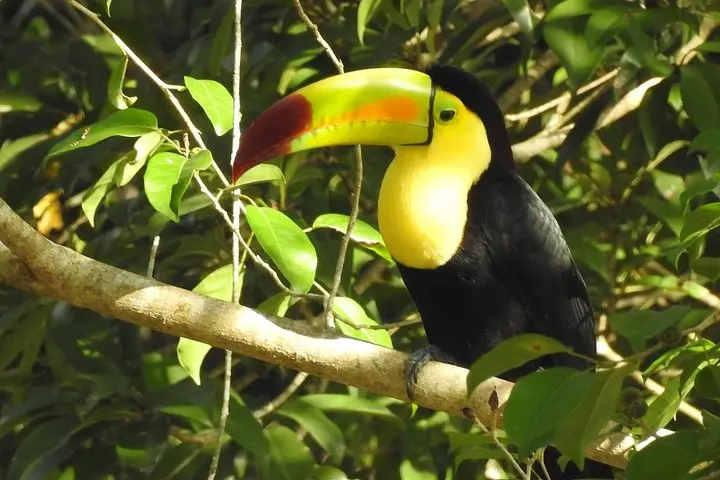
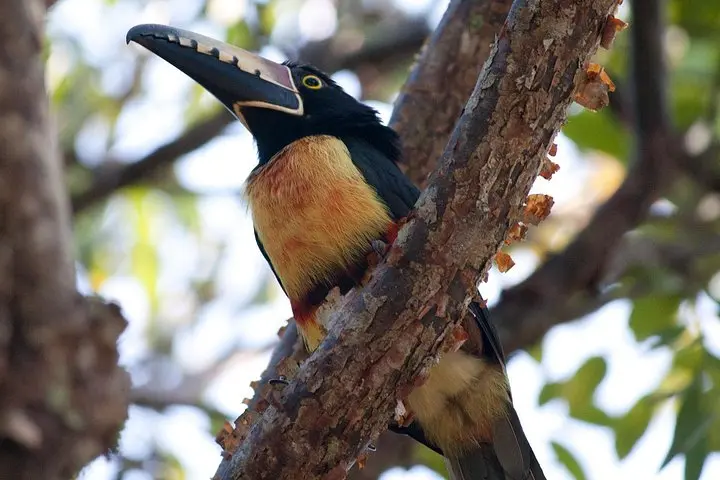
Expect short, mostly flat walks across uneven soil, boardwalks, and mud in places; the route is friendly to beginners but rich in variety—look for herons, warblers, and toucanets among the canopy and wetland edges. Guides typically identify 40–80 species on a three‑hour outing depending on season and migration timing.
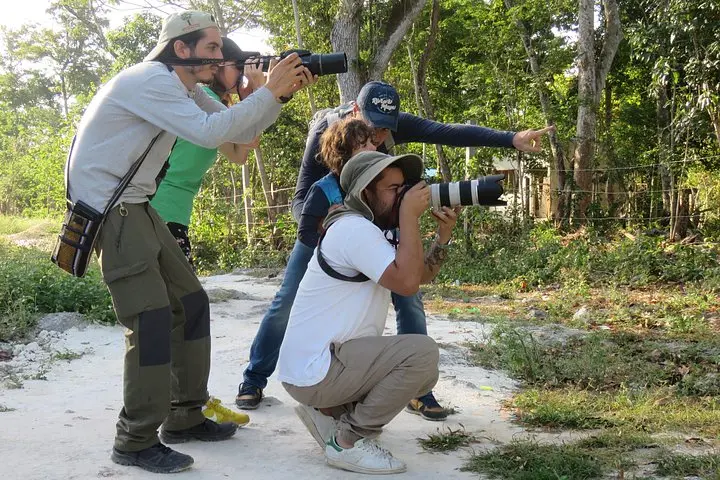
Practical pointers: arrive early for the best light and activity, bring your own binoculars if you prefer a personal pair, use insect repellent and sun protection, and wear closed shoes that can handle damp trails. Keep voices low and follow the guide’s lead around nesting areas; the more patient you are, the better the sightings.
Frequently asked questions
Guides typically identify 40–80 species during a three‑hour visit, with numbers higher during migration windows.
Yes—routes are rated easy and guides tailor the pace and explanations for all experience levels.
Some operators supply binoculars and a field guide, but bringing your own gives better control and hygiene.
Children are welcome; operators offer infant seats when needed, but young participants should be able to stay quiet and follow the group.
About This Experience
Yucatan Outdoors operates guided outdoor trips and adventures with an emphasis on safety, stewardship, and memorable experiences.
Adventure tips
Recommended gear
- Binoculars: Essential for identifying distant and canopy species with clarity.
- Lightweight long‑sleeve shirt: Protects from sun and biting insects while remaining breathable in humid conditions.
- Water bottle (1L+): Hydration is important during morning walks in a humid tropical climate.
- Waterproof/traction shoes: Keeps feet comfortable on muddy boardwalks and wet trails during the rainy season.
Photos of the experience
Related adventures & guides
Read the full experience
The trail opens before sunrise, air heavy with humidity and the first insect calls. You push through shady trails of semi‑deciduous jungle and arrive at low wetlands where the foliage parts and the water claims the light. A local guide scans the canopy and leads you toward the call of a distant raptor—this is Sian Ka'an, where migratory highways meet resident flocks.
The trail opens before sunrise, air heavy with humidity and the first insect calls. You push through shady trails of semi‑deciduous jungle and arrive at low wetlands where the foliage parts and the water claims the light. A local guide scans the canopy and leads you toward the call of a distant raptor—this is Sian Ka'an, where migratory highways meet resident flocks.
The Muyil area was a Maya waypoint, a lowland trade post that made use of canals and coastal access; those ancient canals still shape the wetlands and the channels you’ll study with a guide. Geologically the region is limestone plain and karst, with pockets of freshwater lagoons and mangrove fringe that feed a concentrated bird population. Culturally, the reserve is both a living landscape for coastal communities and a protected UNESCO biosphere that prioritizes seasonal bird corridors.
Expect short, mostly flat walks across uneven soil, boardwalks, and mud in places; the route is friendly to beginners but rich in variety—look for herons, warblers, and toucanets among the canopy and wetland edges. Guides typically identify 40–80 species on a three‑hour outing depending on season and migration timing.
Practical pointers: arrive early for the best light and activity, bring your own binoculars if you prefer a personal pair, use insect repellent and sun protection, and wear closed shoes that can handle damp trails. Keep voices low and follow the guide’s lead around nesting areas; the more patient you are, the better the sightings.
Make a day of it nearby.
Verified experiences and guided adventures in the surrounding area.