THE ADVENTURE COLLECTIVE® · Independent discovery and booking for outdoor travel

Spend a half-day moving between shaded forest trails and tidal creeks to watch resident and migratory birds along the Gambia River corridor. These guided tours prioritize close views, local knowledge and low-impact wildlife encounters.
Spend a half-day moving between shaded forest trails and tidal creeks to watch resident and migratory birds along the Gambia River corridor. These guided tours prioritize close views, local knowledge and low-impact wildlife encounters.
Dawn spreads low light across the mangroves and river creeks, and the first calls arrive—sharp, quick, impossible to ignore. You stand on a shaded path as an ibis lifts from a mudflat and the river seems to dare you forward with the rush of water and wingbeats.
Verified experiences and guided adventures in the surrounding area.
Operated by Gambia Excursions · Banjul, Banjul
Dawn spreads low light across the mangroves and river creeks, and the first calls arrive—sharp, quick, impossible to ignore. You stand on a shaded path as an ibis lifts from a mudflat and the river seems to dare you forward with the rush of water and wingbeats.
The Gambia is a narrow corridor of river, forest and coast shaped by alluvial plains and mangrove-lined estuaries. Colonial trade routes once threaded these waterways; today they guide migratory birds along the East Atlantic Flyway. Forest strips like Abuko and the Makasutu creeks sit on sedimentary deposits and host both resident and wintering species drawn by fish-rich estuaries.
Local communities around Tanji and Bakau have long combined fishing, rice cultivation and small-scale tourism—bird guides often learn identification from elders who know seasonal movements and local names. Expect a half-day tour that moves between shaded forest trails and open wetland hides, with stops at river viewpoints where African fish eagles and kingfishers hunt.
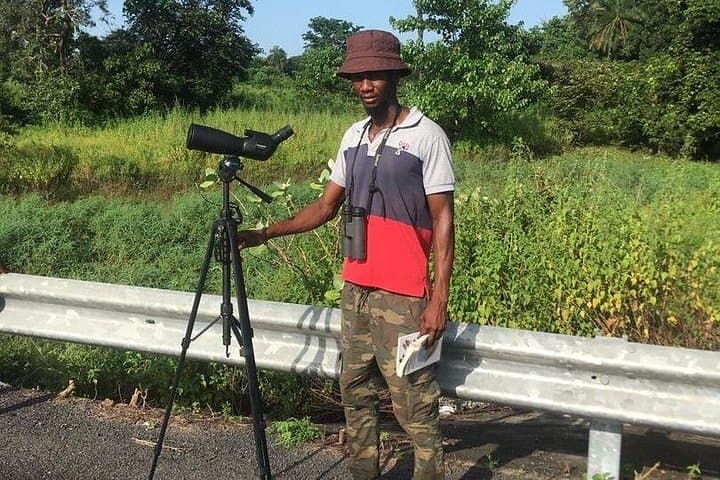
Practical guidance: dress for sun and mosquitoes, bring a close-focus pair of binoculars (some operators supply optics), and plan for uneven, muddy trails near tidal creeks. Morning trips are best for migration pulses and active feeding; afternoon outings can be quieter but still rewarding. Hydration, lightweight layers, and slip-resistant footwear make the difference when paths turn from packed earth to mud.
These outings are low-impact when conducted respectfully—keep distance from nests, follow your guide’s route, and carry out any trash. With basic preparation you’ll leave with species lists and a clear sense of why this narrow river landscape matters to birds and people alike.
Most half-day birdwatching tours run about four hours and visit a mix of forest and wetland sites.
Some operators include binoculars, but bringing your own ensures better optics and hygiene.
Yes—routes are generally easy but involve some walking on uneven ground; mention mobility needs when booking.
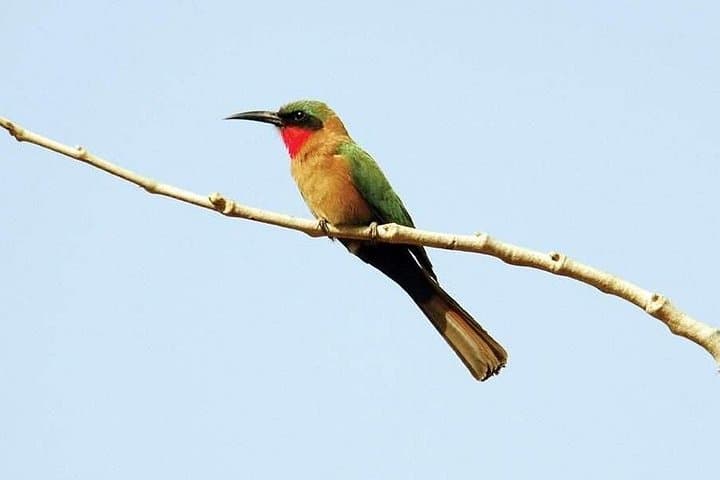
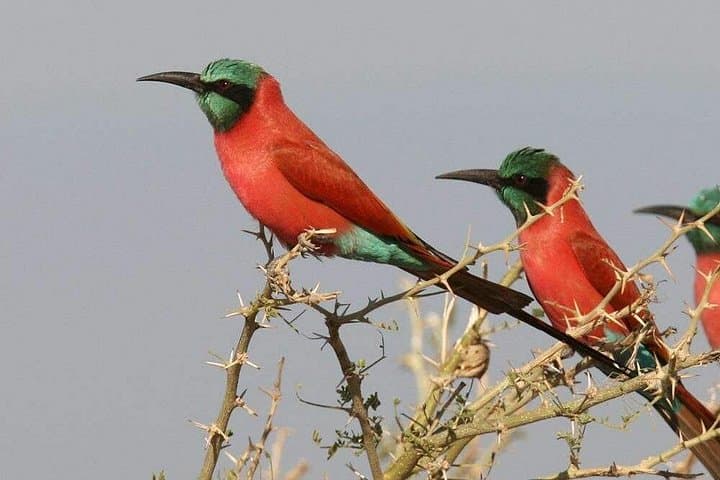
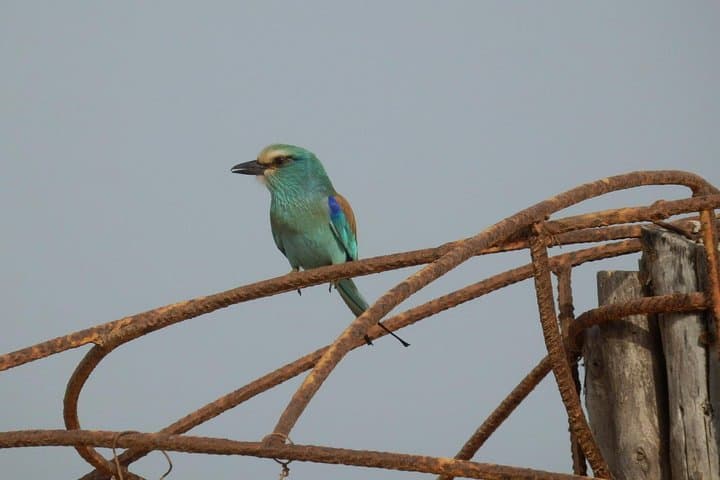
Expect African fish eagle, malachite kingfisher, various herons and migratory shorebirds during winter months; species vary by site and season.
Gambia Excursions operates guided outdoor trips and adventures with an emphasis on safety, stewardship, and memorable experiences.
Dawn spreads low light across the mangroves and river creeks, and the first calls arrive—sharp, quick, impossible to ignore. You stand on a shaded path as an ibis lifts from a mudflat and the river seems to dare you forward with the rush of water and wingbeats.
Dawn spreads low light across the mangroves and river creeks, and the first calls arrive—sharp, quick, impossible to ignore. You stand on a shaded path as an ibis lifts from a mudflat and the river seems to dare you forward with the rush of water and wingbeats.
The Gambia is a narrow corridor of river, forest and coast shaped by alluvial plains and mangrove-lined estuaries. Colonial trade routes once threaded these waterways; today they guide migratory birds along the East Atlantic Flyway. Forest strips like Abuko and the Makasutu creeks sit on sedimentary deposits and host both resident and wintering species drawn by fish-rich estuaries.
Local communities around Tanji and Bakau have long combined fishing, rice cultivation and small-scale tourism—bird guides often learn identification from elders who know seasonal movements and local names. Expect a half-day tour that moves between shaded forest trails and open wetland hides, with stops at river viewpoints where African fish eagles and kingfishers hunt.
Practical guidance: dress for sun and mosquitoes, bring a close-focus pair of binoculars (some operators supply optics), and plan for uneven, muddy trails near tidal creeks. Morning trips are best for migration pulses and active feeding; afternoon outings can be quieter but still rewarding. Hydration, lightweight layers, and slip-resistant footwear make the difference when paths turn from packed earth to mud.
These outings are low-impact when conducted respectfully—keep distance from nests, follow your guide’s route, and carry out any trash. With basic preparation you’ll leave with species lists and a clear sense of why this narrow river landscape matters to birds and people alike.