THE ADVENTURE COLLECTIVE® · Independent discovery and booking for outdoor travel

Explore the Ruta de los Cenotes outside Playa del Carmen with a local birding guide. This half-day jungle walk introduces endemic Yucatán species, migratory visitors, and the karst landscape that sustains them.
Explore the Ruta de los Cenotes outside Playa del Carmen with a local birding guide. This half-day jungle walk introduces endemic Yucatán species, migratory visitors, and the karst landscape that sustains them.
You step off the air-conditioned van into a humid hush—the jungle presses close, leaves brushing the trail like pages turning. Early light filters through a canopy of ceiba and strangler fig; distant calls puncture the stillness and guide you deeper along the Ruta de los Cenotes, where limestone sinkholes and shady understory form a compact mosaic of habitats.
Verified experiences and guided adventures in the surrounding area.
Operated by Contoy Excursions · Playa del Carmen, Quintana Roo
You step off the air-conditioned van into a humid hush—the jungle presses close, leaves brushing the trail like pages turning. Early light filters through a canopy of ceiba and strangler fig; distant calls puncture the stillness and guide you deeper along the Ruta de los Cenotes, where limestone sinkholes and shady understory form a compact mosaic of habitats.
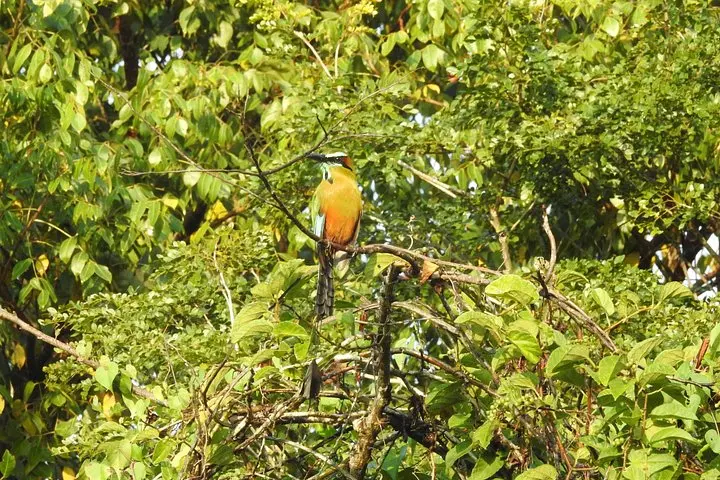
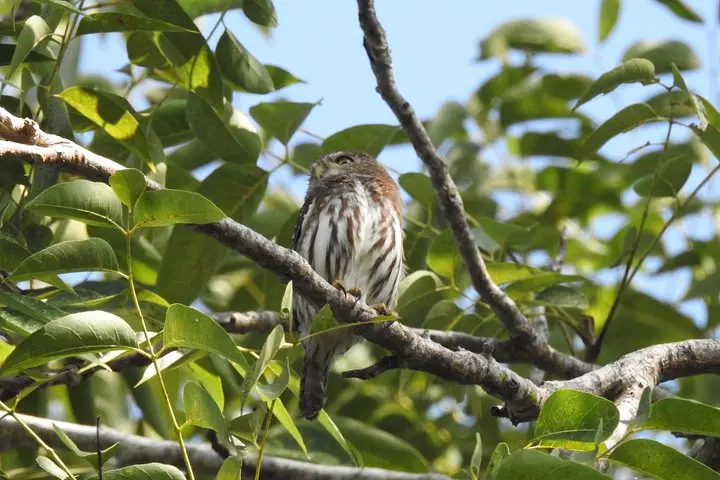
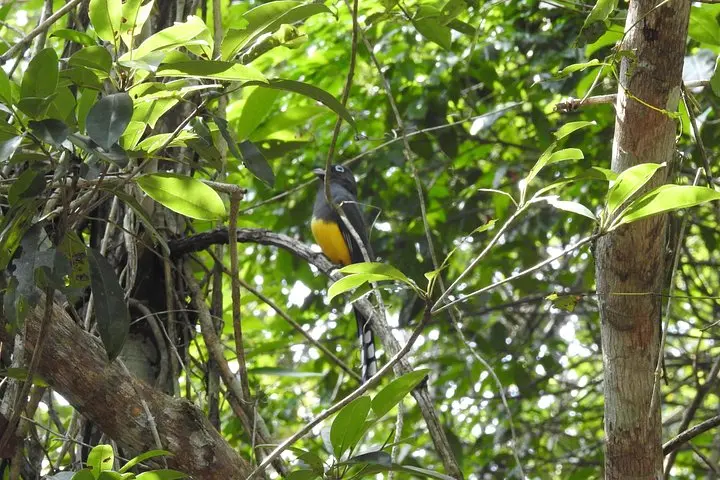
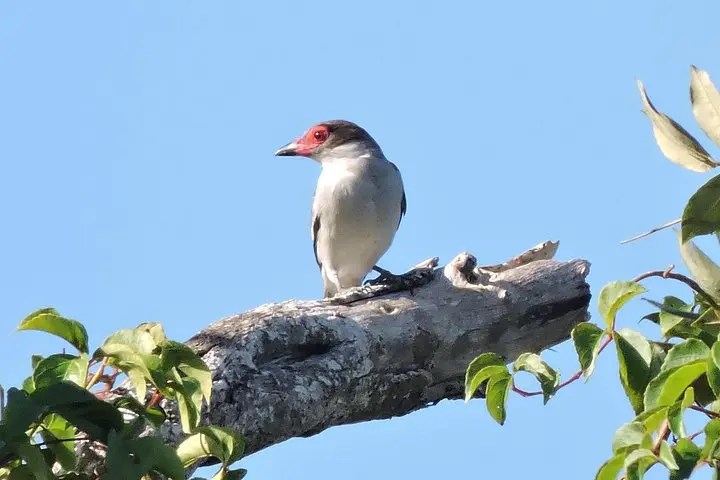
This stretch of the Yucatán Peninsula sits on a porous karst plateau carved by groundwater; cenotes are both geological windows and cultural wells—freshwater sources central to Maya settlement and ritual. Birdlife here mixes dry-forest endemics and trans-Gulf migrants: Yucatan jays flash cobalt in treetops, motmots swing on exposed branches, and tiny warblers flit through palmetto tangles. Local guides read songs like a map, pointing to feeding flocks and secret perches.
Expect a half-day of mostly flat but uneven trail walking, short bushy side-paths to lookout points and occasional steps down to cenote rims. Mornings are best—birds are most active and light favors identification. Hydrate before and during the walk, wear closed shoes with good grip, and bring a lightweight rain jacket during the summer rains. Binoculars and a field guide or app transform fleeting silhouettes into species checks.
Respect nesting season by keeping distance, keep noise low, and avoid using flash photography. The experience is equal parts natural history and low-impact exploration: you leave knowing more about the region's birds, the limestone beneath your feet, and why these small jungle pockets matter to both wildlife and local communities.
No—guides cater to beginners and use calls, behavior and habitat cues to help you spot and ID birds.
The tour lists hotel pickup or meeting-point pickup and an air-conditioned vehicle as inclusions; confirm your pickup point when booking.
Children are allowed but must be accompanied by an adult; the tour notes infants should sit on laps and special seats may be available.
Use insect repellent and wear long sleeves/pants if mosquitoes are a concern, especially at dawn and dusk.
Contoy Excursions operates guided outdoor trips and adventures with an emphasis on safety, stewardship, and memorable experiences.
You step off the air-conditioned van into a humid hush—the jungle presses close, leaves brushing the trail like pages turning. Early light filters through a canopy of ceiba and strangler fig; distant calls puncture the stillness and guide you deeper along the Ruta de los Cenotes, where limestone sinkholes and shady understory form a compact mosaic of habitats.
You step off the air-conditioned van into a humid hush—the jungle presses close, leaves brushing the trail like pages turning. Early light filters through a canopy of ceiba and strangler fig; distant calls puncture the stillness and guide you deeper along the Ruta de los Cenotes, where limestone sinkholes and shady understory form a compact mosaic of habitats.
This stretch of the Yucatán Peninsula sits on a porous karst plateau carved by groundwater; cenotes are both geological windows and cultural wells—freshwater sources central to Maya settlement and ritual. Birdlife here mixes dry-forest endemics and trans-Gulf migrants: Yucatan jays flash cobalt in treetops, motmots swing on exposed branches, and tiny warblers flit through palmetto tangles. Local guides read songs like a map, pointing to feeding flocks and secret perches.
Expect a half-day of mostly flat but uneven trail walking, short bushy side-paths to lookout points and occasional steps down to cenote rims. Mornings are best—birds are most active and light favors identification. Hydrate before and during the walk, wear closed shoes with good grip, and bring a lightweight rain jacket during the summer rains. Binoculars and a field guide or app transform fleeting silhouettes into species checks.
Respect nesting season by keeping distance, keep noise low, and avoid using flash photography. The experience is equal parts natural history and low-impact exploration: you leave knowing more about the region's birds, the limestone beneath your feet, and why these small jungle pockets matter to both wildlife and local communities.