THE ADVENTURE COLLECTIVE® · Independent discovery and booking for outdoor travel

Spend a full day birding northwest Pichincha from Quito, visiting Tumpiki, San Tadeo, Milpe reserves and La Victoriana Farm to see hummingbirds, tanagers and the Andean Cock-of-the-Rock. Early starts and quiet observation maximize sightings on this community-supported nature loop.
Spend a full day birding northwest Pichincha from Quito, visiting Tumpiki, San Tadeo, Milpe reserves and La Victoriana Farm to see hummingbirds, tanagers and the Andean Cock-of-the-Rock. Early starts and quiet observation maximize sightings on this community-supported nature loop.
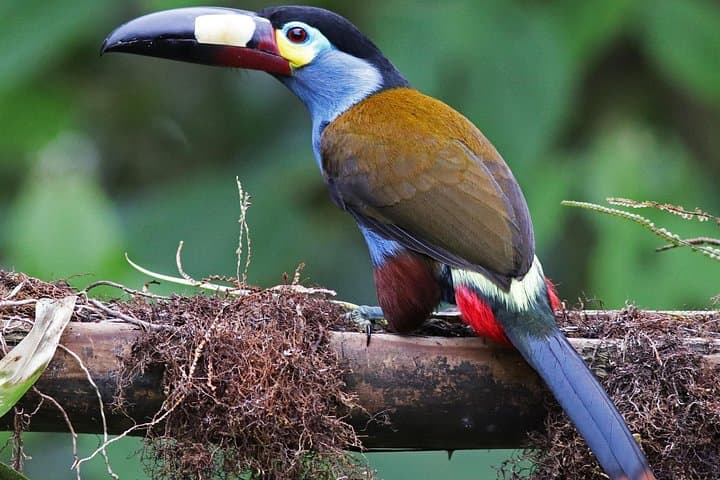
At 4 a.m. the van threads out of Quito and the highway gives way to cloud forest—mist wraps the road like a curtain and the first calls of dawn belong to hummingbirds and tanagers. By 6 a.m. you stand on the Tumpiki balcón, coffee on the lip of the world, watching Plate-billed Mountain-toucans and Toucan Barbets trade calls across moss-draped branches. The forest here feels active and deliberate; birds pick the day with the same urgency you feel at first light.
Verified experiences and guided adventures in the surrounding area.
Operated by Great Horned Owl Tours · Mindo, Pichincha
At 4 a.m. the van threads out of Quito and the highway gives way to cloud forest—mist wraps the road like a curtain and the first calls of dawn belong to hummingbirds and tanagers. By 6 a.m. you stand on the Tumpiki balcón, coffee on the lip of the world, watching Plate-billed Mountain-toucans and Toucan Barbets trade calls across moss-draped branches. The forest here feels active and deliberate; birds pick the day with the same urgency you feel at first light.
This loop visits a string of northwest Pichincha reserves—Tumpiki, San Tadeo, Milpe—and finishes at La Victoriana Farm, where an Andean Cock-of-the-Rock lek performs late afternoon. Geologically the route crosses the western slopes of the Pichincha volcano system, a steep gradient from páramo edge down into humid montane and foothill forest that creates rich birding microhabitats. Many parcels are protected by local communities and private reserves focused on conserving the Chocó–Andean corridor’s high species density.
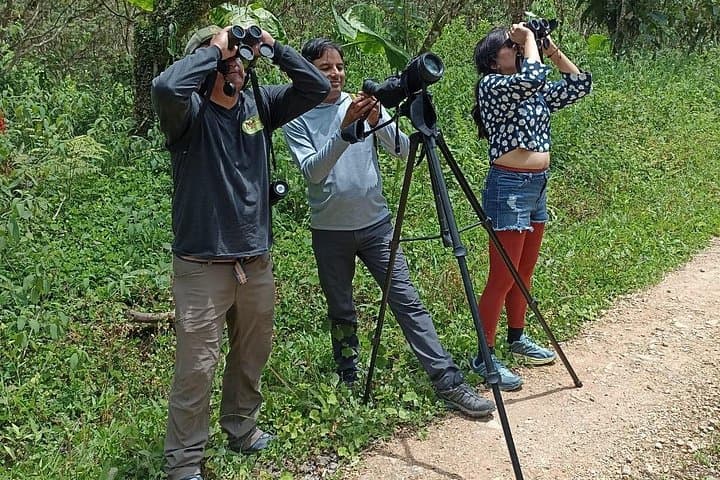
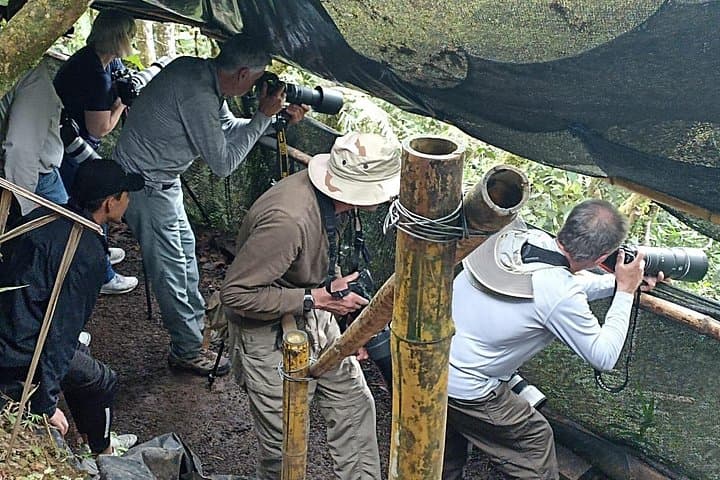
Practical side: expect a long, full day (roughly 16 hours door-to-door), mostly easy walking around feeders and short trails—no mountaineering skills required but prepare for wet footing and sudden sun. Bring layered rain protection, quality optics, spare batteries, and snacks for the road. Timing matters: dawn and late afternoon are the best windows—hummers feed relentlessly at feeders; cock-of-the-rock displays are most active near dusk. Respect quietly placed blinds, follow your bilingual guide’s directions, and keep distance at leks to avoid disturbing courtship. This trip is designed for photographers and beginner-to-enthusiast birders seeking concentrated species encounters in a single, immersive day.
This is a full-day private tour of about 16 hours, typically departing Quito around 4:00 a.m. and returning late evening.
The tour provides bottled water and private transport; meals are not listed as included so bring snacks or confirm meal options with the operator.
Yes. The itinerary is suitable for all fitness levels and includes access to feeders and short trails, with a bilingual certified driver-guide to assist identification.
All sales are final according to the operator; the tour may be canceled for bad weather but typically is non-refundable—confirm terms when booking.
Great Horned Owl Tours operates guided outdoor trips and adventures with an emphasis on safety, stewardship, and memorable experiences.

At 4 a.m. the van threads out of Quito and the highway gives way to cloud forest—mist wraps the road like a curtain and the first calls of dawn belong to hummingbirds and tanagers. By 6 a.m. you stand on the Tumpiki balcón, coffee on the lip of the world, watching Plate-billed Mountain-toucans and Toucan Barbets trade calls across moss-draped branches. The forest here feels active and deliberate; birds pick the day with the same urgency you feel at first light.
At 4 a.m. the van threads out of Quito and the highway gives way to cloud forest—mist wraps the road like a curtain and the first calls of dawn belong to hummingbirds and tanagers. By 6 a.m. you stand on the Tumpiki balcón, coffee on the lip of the world, watching Plate-billed Mountain-toucans and Toucan Barbets trade calls across moss-draped branches. The forest here feels active and deliberate; birds pick the day with the same urgency you feel at first light.
This loop visits a string of northwest Pichincha reserves—Tumpiki, San Tadeo, Milpe—and finishes at La Victoriana Farm, where an Andean Cock-of-the-Rock lek performs late afternoon. Geologically the route crosses the western slopes of the Pichincha volcano system, a steep gradient from páramo edge down into humid montane and foothill forest that creates rich birding microhabitats. Many parcels are protected by local communities and private reserves focused on conserving the Chocó–Andean corridor’s high species density.
Practical side: expect a long, full day (roughly 16 hours door-to-door), mostly easy walking around feeders and short trails—no mountaineering skills required but prepare for wet footing and sudden sun. Bring layered rain protection, quality optics, spare batteries, and snacks for the road. Timing matters: dawn and late afternoon are the best windows—hummers feed relentlessly at feeders; cock-of-the-rock displays are most active near dusk. Respect quietly placed blinds, follow your bilingual guide’s directions, and keep distance at leks to avoid disturbing courtship. This trip is designed for photographers and beginner-to-enthusiast birders seeking concentrated species encounters in a single, immersive day.