THE ADVENTURE COLLECTIVE® · Independent discovery and booking for outdoor travel

Spend a full day from Cuenca exploring Yunguilla and the Jocotoco Reserve where cloud forest, mountain scrub and river corridors concentrate southern endemic birds—expect 40–60 species on a well-guided day trip.
Spend a full day from Cuenca exploring Yunguilla and the Jocotoco Reserve where cloud forest, mountain scrub and river corridors concentrate southern endemic birds—expect 40–60 species on a well-guided day trip.
You step out of Cuenca’s cool morning into a van that hums up into cloud forest, the air tightening and green deepening as the road winds toward Yunguilla and El Chorro. Birdsong arrives in layers: high-pitched calls loop through moss-heavy trees while a distant raptor cuts the valley with a slow, deliberate wingbeat. The landscape is active—streams daring you to lean closer, bromeliads holding rain like tiny basins.
Verified experiences and guided adventures in the surrounding area.
Operated by Polylepis Tours · Cuenca, Azuay
You step out of Cuenca’s cool morning into a van that hums up into cloud forest, the air tightening and green deepening as the road winds toward Yunguilla and El Chorro. Birdsong arrives in layers: high-pitched calls loop through moss-heavy trees while a distant raptor cuts the valley with a slow, deliberate wingbeat. The landscape is active—streams daring you to lean closer, bromeliads holding rain like tiny basins.
Azuay’s highlands and adjacent dry valleys reflect Ecuador’s geological contrasts: Andean uplift creating steep ridges, pockets of volcanic soils, and isolated humid ravines where Tumbesian and Choco flora cross paths. The Jocotoco Foundation protected areas here focus on southern endemics, while local farms in Yunguilla have long supplied Cuenca with fruits and natural juices—an ongoing cultural exchange between town and valley.
Expect varied habitats on a full-day outing: montane cloud forest, humid Andean mountain forest, and patches of drier montane scrub. Guides point out diagnostic field marks, supply species lists, and often set spotting points near streams and forest edges where mixed flocks pass through.
Practical: this is a long day (roughly 8–9 hours) with uneven forest trails and short roadside walks; moderate fitness helps. Bring layered clothing for microclimate shifts, sturdy shoes for muddy sections, binoculars (or request them in advance), and hydration. Timing matters—early morning and late afternoon produce the highest bird activity. Respect private land and the fragile understorey: keep to trails and minimize flash photography to protect nesting and feeding birds.
You can bring your own for the best experience; the operator may lend binoculars if reserved in advance but supply is limited.
The day includes multiple short hikes and some roadside walking across uneven ground—moderate fitness is recommended for a comfortable day.
Yes—private transportation, hotel pickup, and a boxed lunch are included; advise dietary requirements when booking.
Early morning and late afternoon are peak birding windows; the dry season months (June–August) often offer easier access and clearer views.
Polylepis Tours operates guided outdoor trips and adventures with an emphasis on safety, stewardship, and memorable experiences.
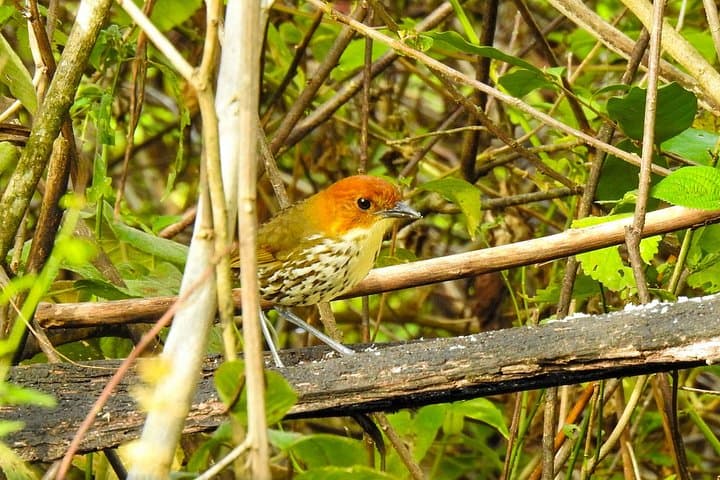


You step out of Cuenca’s cool morning into a van that hums up into cloud forest, the air tightening and green deepening as the road winds toward Yunguilla and El Chorro. Birdsong arrives in layers: high-pitched calls loop through moss-heavy trees while a distant raptor cuts the valley with a slow, deliberate wingbeat. The landscape is active—streams daring you to lean closer, bromeliads holding rain like tiny basins.
You step out of Cuenca’s cool morning into a van that hums up into cloud forest, the air tightening and green deepening as the road winds toward Yunguilla and El Chorro. Birdsong arrives in layers: high-pitched calls loop through moss-heavy trees while a distant raptor cuts the valley with a slow, deliberate wingbeat. The landscape is active—streams daring you to lean closer, bromeliads holding rain like tiny basins.
Azuay’s highlands and adjacent dry valleys reflect Ecuador’s geological contrasts: Andean uplift creating steep ridges, pockets of volcanic soils, and isolated humid ravines where Tumbesian and Choco flora cross paths. The Jocotoco Foundation protected areas here focus on southern endemics, while local farms in Yunguilla have long supplied Cuenca with fruits and natural juices—an ongoing cultural exchange between town and valley.
Expect varied habitats on a full-day outing: montane cloud forest, humid Andean mountain forest, and patches of drier montane scrub. Guides point out diagnostic field marks, supply species lists, and often set spotting points near streams and forest edges where mixed flocks pass through.
Practical: this is a long day (roughly 8–9 hours) with uneven forest trails and short roadside walks; moderate fitness helps. Bring layered clothing for microclimate shifts, sturdy shoes for muddy sections, binoculars (or request them in advance), and hydration. Timing matters—early morning and late afternoon produce the highest bird activity. Respect private land and the fragile understorey: keep to trails and minimize flash photography to protect nesting and feeding birds.