THE ADVENTURE COLLECTIVE® · Independent discovery and booking for outdoor travel

Explore a RAMSAR wetland an hour from Kalpitiya where seven 12th‑century tanks host 160+ bird species. This three‑hour guided birdwatching trek focuses on migratory waterbirds, reedbed hides and local natural history.
Explore a RAMSAR wetland an hour from Kalpitiya where seven 12th‑century tanks host 160+ bird species. This three‑hour guided birdwatching trek focuses on migratory waterbirds, reedbed hides and local natural history.
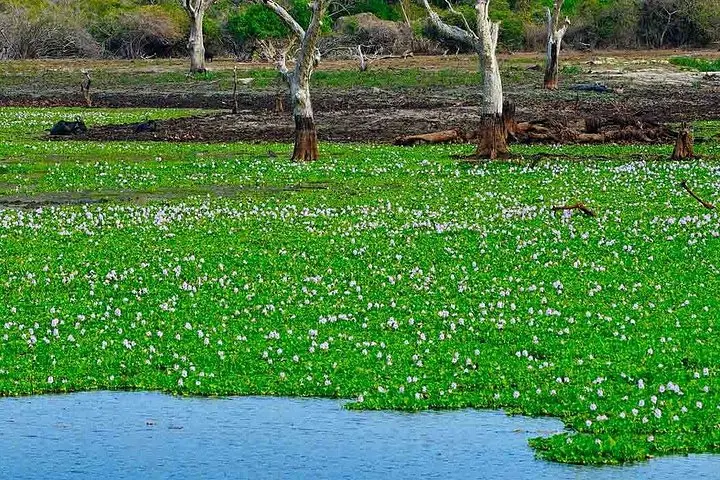
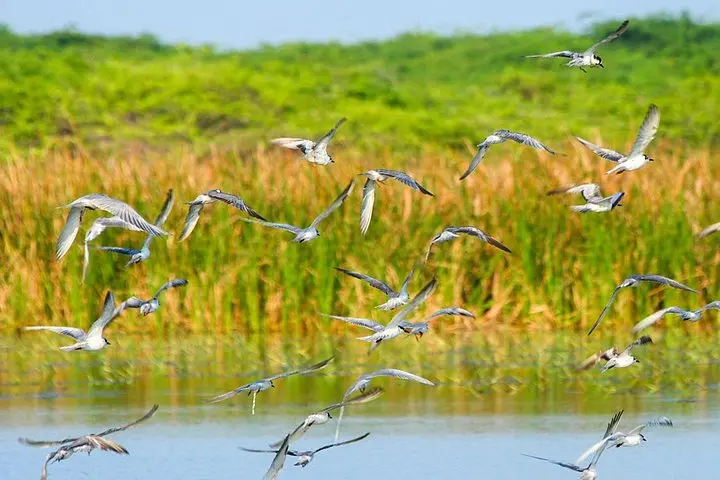
You step from the air‑conditioned minivan into a still wetland that seems to breathe. Reed beds ripple like a slow sea and distant shapes—white wings and narrow bills—slice the light. Anawilundawa’s network of seven ancient tanks opens in tiers across the low‑country dry zone, and on a crisp morning the water mirrors flocks tracing the migratory highway that runs along Sri Lanka’s western coast.
Verified experiences and guided adventures in the surrounding area.
Operated by Lakpura LLC · Kalpitiya, North Western Province
You step from the air‑conditioned minivan into a still wetland that seems to breathe. Reed beds ripple like a slow sea and distant shapes—white wings and narrow bills—slice the light. Anawilundawa’s network of seven ancient tanks opens in tiers across the low‑country dry zone, and on a crisp morning the water mirrors flocks tracing the migratory highway that runs along Sri Lanka’s western coast.
Built as man‑made reservoirs in the 12th century, the tanks are living pieces of irrigation history that now double as a RAMSAR wetland. Geology here is flat and alluvial; soils hold shallow pools that invite waders, harriers and darters. Local villages still maintain traditional fishing and saltpan practices, so the sanctuary sits at the interface of human livelihood and bird life.
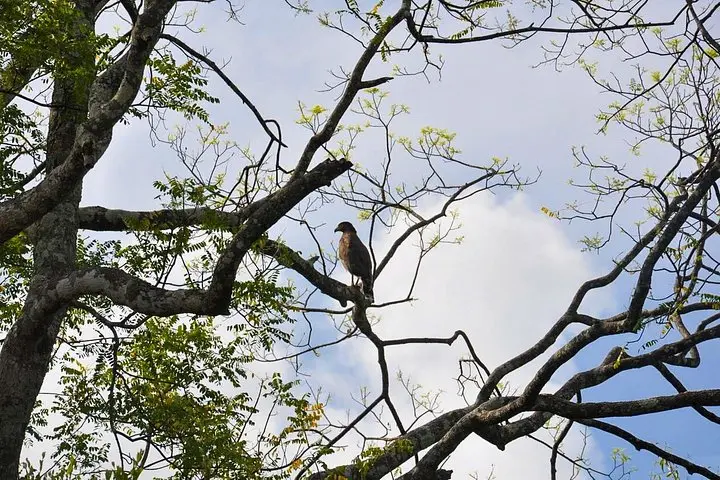
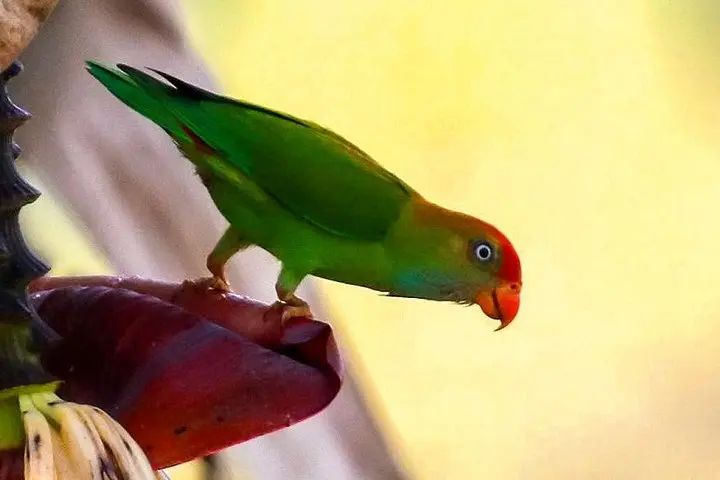
Expect a focused, three‑hour walk with an expert naturalist who scans the reed edges and points out spoonbills, ibises, bee‑eaters and resident owls. Mammals—mouse deer, mongoose and civets—may slip through the understory; monitors and tortoises sun on mud banks. The guide supplies binoculars and local insight: where to watch morning departures, which tank holds the best shorebird aggregations, and how to move quietly among the reeds without flushing birds.
Practicalities: go early to avoid heat, bring sun protection and insect repellent, and wear sturdy shoes for muddy stretches. The sanctuary’s flat trails and shallow observation hides make it accessible to most fitness levels, but follow your guide—paths can be narrow and slippery after rains. This is a compact, wildlife‑rich half‑day that rewards patient watching and a quiet step.
Peak migrant counts are typically in the cooler months (December–February), but resident species and good sightings are possible year‑round.
The sanctuary is approximately a one‑hour drive from Kalpitiya, depending on traffic and the exact meeting point.
Yes—paths are generally flat and the tour is rated easy, but note that some walking involves mud and uneven ground; inform the operator of any mobility concerns.
Picnic snacks, soft drinks and water are included in the tour; bring extra water if you plan to stay longer or it’s an unusually hot day.
Lakpura LLC operates guided outdoor trips and adventures with an emphasis on safety, stewardship, and memorable experiences.
You step from the air‑conditioned minivan into a still wetland that seems to breathe. Reed beds ripple like a slow sea and distant shapes—white wings and narrow bills—slice the light. Anawilundawa’s network of seven ancient tanks opens in tiers across the low‑country dry zone, and on a crisp morning the water mirrors flocks tracing the migratory highway that runs along Sri Lanka’s western coast.
You step from the air‑conditioned minivan into a still wetland that seems to breathe. Reed beds ripple like a slow sea and distant shapes—white wings and narrow bills—slice the light. Anawilundawa’s network of seven ancient tanks opens in tiers across the low‑country dry zone, and on a crisp morning the water mirrors flocks tracing the migratory highway that runs along Sri Lanka’s western coast.
Built as man‑made reservoirs in the 12th century, the tanks are living pieces of irrigation history that now double as a RAMSAR wetland. Geology here is flat and alluvial; soils hold shallow pools that invite waders, harriers and darters. Local villages still maintain traditional fishing and saltpan practices, so the sanctuary sits at the interface of human livelihood and bird life.
Expect a focused, three‑hour walk with an expert naturalist who scans the reed edges and points out spoonbills, ibises, bee‑eaters and resident owls. Mammals—mouse deer, mongoose and civets—may slip through the understory; monitors and tortoises sun on mud banks. The guide supplies binoculars and local insight: where to watch morning departures, which tank holds the best shorebird aggregations, and how to move quietly among the reeds without flushing birds.
Practicalities: go early to avoid heat, bring sun protection and insect repellent, and wear sturdy shoes for muddy stretches. The sanctuary’s flat trails and shallow observation hides make it accessible to most fitness levels, but follow your guide—paths can be narrow and slippery after rains. This is a compact, wildlife‑rich half‑day that rewards patient watching and a quiet step.