THE ADVENTURE COLLECTIVE® · Independent discovery and booking for outdoor travel

Walk Vittoriosa’s shadowed lanes where limestone walls and harbor winds cradle stories of the Knights, public executions, and WWII bombings. This two-hour guided walking tour pairs dark local lore with concrete history and practical route notes.
Walk Vittoriosa’s shadowed lanes where limestone walls and harbor winds cradle stories of the Knights, public executions, and WWII bombings. This two-hour guided walking tour pairs dark local lore with concrete history and practical route notes.
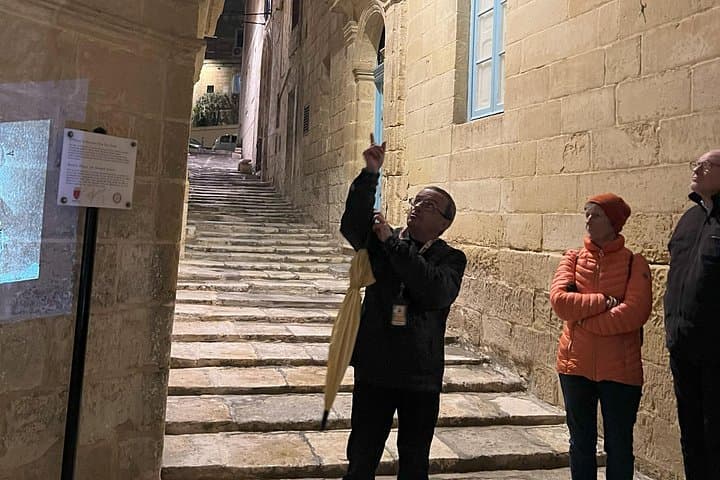
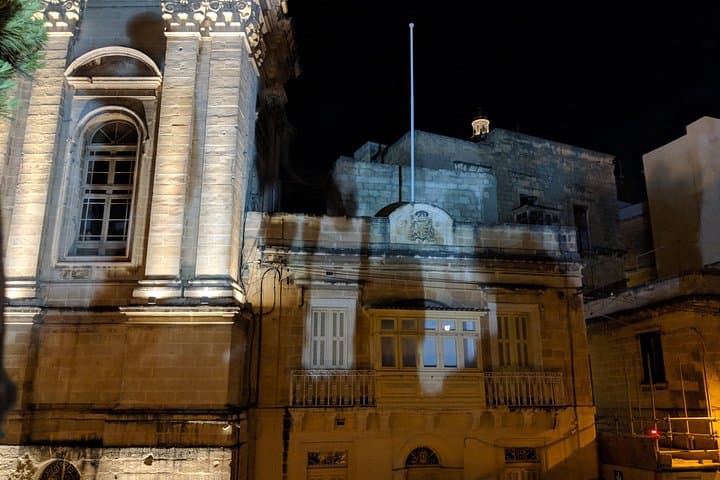
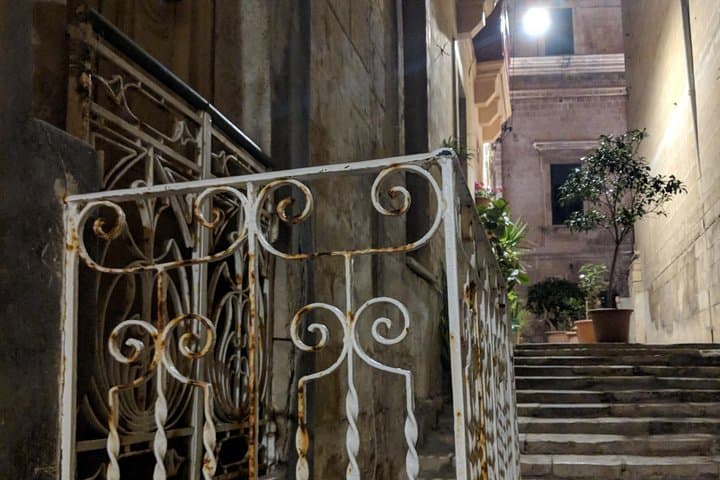
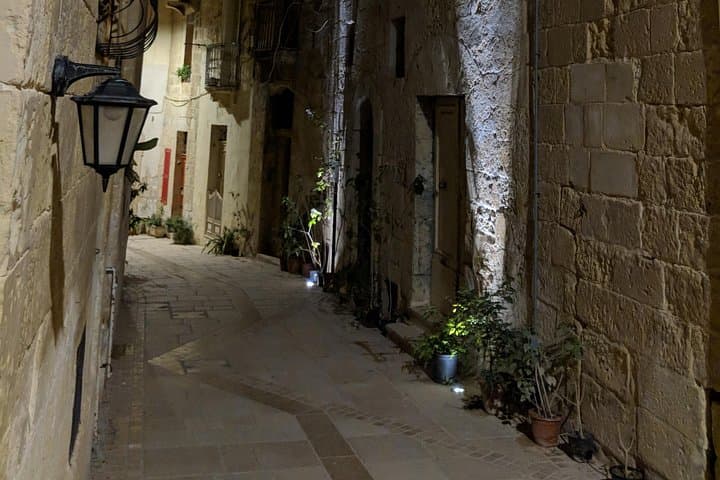
You step off the quay into a lane where the limestone walls keep the day’s heat and the sea’s voice in tight company, and the past leans close enough to touch. Birgu’s narrow streets funnel history: wind-scoured stone, shuttered balconies, and the distant toll of a church bell that once marked orders and executions.
Verified experiences and guided adventures in the surrounding area.
Operated by Colour my Travel · Birgu (Vittoriosa), Malta
You step off the quay into a lane where the limestone walls keep the day’s heat and the sea’s voice in tight company, and the past leans close enough to touch. Birgu’s narrow streets funnel history: wind-scoured stone, shuttered balconies, and the distant toll of a church bell that once marked orders and executions.
This compact harbor town was pivotal to the Order of St. John, its fortifications shaped by cannon and siege. Stories told on the tour draw lines between the medieval maritime economy, the grim rituals of early justice, and the air-raid scars of Malta’s WWII blitz. The geology is obvious—golden Globigerina limestone carved into alleys and bastions, a material that preserved both architecture and memory.
Culturally, Vittoriosa is working port and living museum: boatyards, fishing skiffs, and residents who inherit names and tales. Guides point to the Inquisitor’s Palace, St. Lawrence’s church, and Fort St. Angelo while threading local lore about punishment, vanished prisoners, and wartime evacuation.
Practical guidance: tours run roughly two hours at a relaxed walking pace on uneven stone and cobbles—good footwear matters. Evening light sharpens shadowed corners, so bring a compact flashlight if you visit after dusk. Expect repeated stops for storytelling; the group size is moderate and routes may pass private doorways—respect local residents and follow your guide’s path. Water, a light jacket, and comfortable shoes will keep the walk focused on the stories rather than sore feet.
The guided tour is approximately two hours and follows a walking route through Birgu’s historic center.
The tour is family-friendly but involves cobbled streets and some steps; those with limited mobility should contact the operator in advance to confirm accessibility.
Service animals are permitted; pets are subject to the operator’s policy—check before booking.
Tours run rain or shine; the cancellation policy allows a full refund if you cancel at least 24 hours prior, but operators rarely cancel for light rain.
Colour my Travel operates guided outdoor trips and adventures with an emphasis on safety, stewardship, and memorable experiences.
You step off the quay into a lane where the limestone walls keep the day’s heat and the sea’s voice in tight company, and the past leans close enough to touch. Birgu’s narrow streets funnel history: wind-scoured stone, shuttered balconies, and the distant toll of a church bell that once marked orders and executions.
You step off the quay into a lane where the limestone walls keep the day’s heat and the sea’s voice in tight company, and the past leans close enough to touch. Birgu’s narrow streets funnel history: wind-scoured stone, shuttered balconies, and the distant toll of a church bell that once marked orders and executions.
This compact harbor town was pivotal to the Order of St. John, its fortifications shaped by cannon and siege. Stories told on the tour draw lines between the medieval maritime economy, the grim rituals of early justice, and the air-raid scars of Malta’s WWII blitz. The geology is obvious—golden Globigerina limestone carved into alleys and bastions, a material that preserved both architecture and memory.
Culturally, Vittoriosa is working port and living museum: boatyards, fishing skiffs, and residents who inherit names and tales. Guides point to the Inquisitor’s Palace, St. Lawrence’s church, and Fort St. Angelo while threading local lore about punishment, vanished prisoners, and wartime evacuation.
Practical guidance: tours run roughly two hours at a relaxed walking pace on uneven stone and cobbles—good footwear matters. Evening light sharpens shadowed corners, so bring a compact flashlight if you visit after dusk. Expect repeated stops for storytelling; the group size is moderate and routes may pass private doorways—respect local residents and follow your guide’s path. Water, a light jacket, and comfortable shoes will keep the walk focused on the stories rather than sore feet.