THE ADVENTURE COLLECTIVE® · Independent discovery and booking for outdoor travel

This two-hour guided walk through Birmingham’s Civil Rights District traces the church-led campaigns, the children who marched, and the business community’s influence on change. Expect memorials, storytelling, and a paced urban route focused on history and reflection.
This two-hour guided walk through Birmingham’s Civil Rights District traces the church-led campaigns, the children who marched, and the business community’s influence on change. Expect memorials, storytelling, and a paced urban route focused on history and reflection.
Step off the curb and you’re directly in a city that still speaks in arguments and hymns—brick avenues lined with shade trees that seem to lean in to listen.
Verified experiences and guided adventures in the surrounding area.
Operated by Freedom Line Tours · Birmingham, Alabama
Step off the curb and you’re directly in a city that still speaks in arguments and hymns—brick avenues lined with shade trees that seem to lean in to listen.
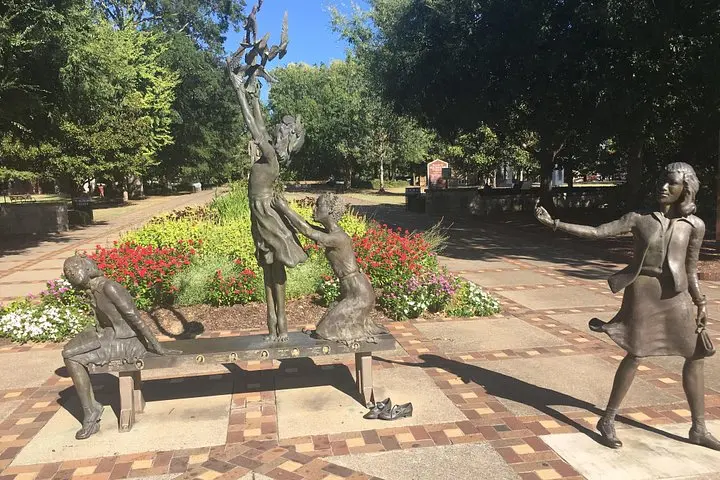
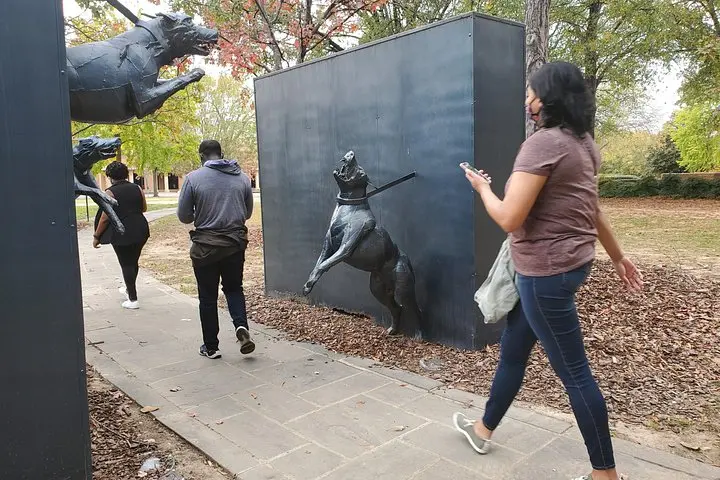
This two-hour walking tour moves through the heart of Birmingham’s Civil Rights District, beginning near 16th Street Baptist Church, where the 1963 bombing killed four girls and changed national consciousness. You’ll pass through Kelly Ingram Park, the park that staged sit-ins, marches and confrontations with authorities, then thread into the commercial blocks where Black-owned businesses and civic leaders pressed for legal and economic change.
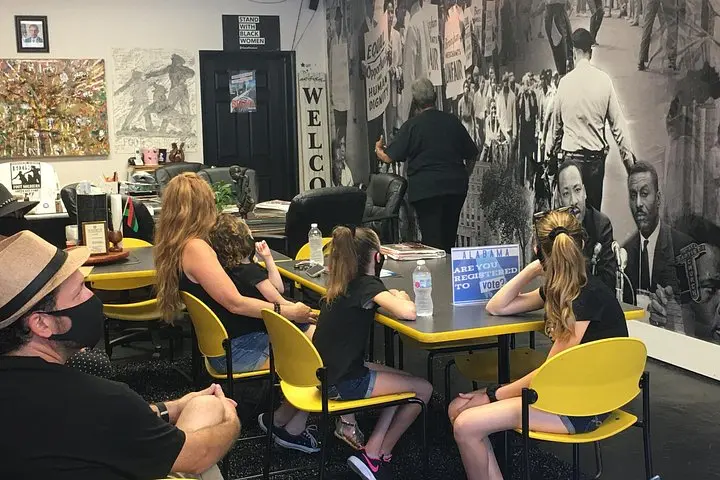
Geology here is subtle—red clay underfoot, reclaimed industrial lots, a city shaped by rail lines and coal-era growth. Culture is louder: gospel choirs, oral histories and the small museums and memorials tucked between storefronts. Guides recount the role of children, churches and merchants in the campaign that helped clear the way for the 1964 Civil Rights Act.
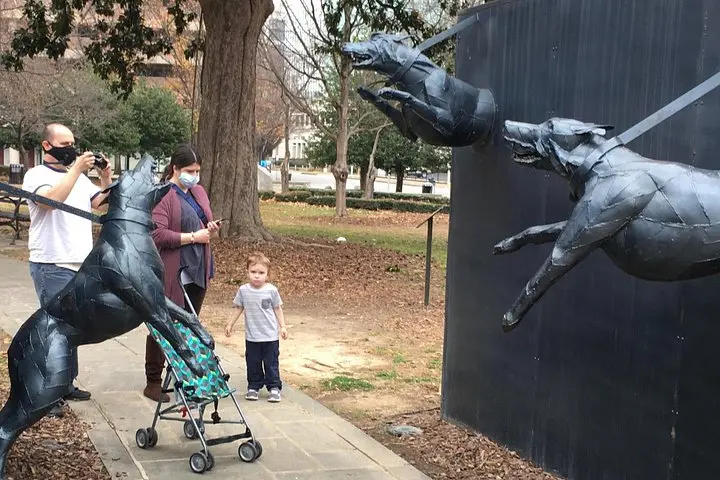
Expect a mix of storytelling and stops at memorials, a museum entrance, and public park space; parts are outdoors with some paved walking and short blocks between sites.
Practical guidance: plan for 90–120 minutes on foot, wear supportive shoes and sun protection, and bring a refillable water bottle. Photography is allowed but be respectful around memorials and personal stories. If you want quieter reflection, start with the earlier departures to avoid midday crowds. This is an urban history walk—emotionally direct, fact-driven, and paced for travelers who can manage moderate walking on city sidewalks.
The tour runs about 120 minutes and covers short blocks within the Civil Rights District—plan for roughly 1.5–2 miles at an easy walking pace.
Parts of the route are stroller-accessible and on paved surfaces, but some stops include uneven pavement; check with the operator for specific accessibility needs.
The itinerary lists at least one included admission; confirm with the booking details for which site entrance is covered.
Older children and teens can benefit from the tour’s storytelling, but some content is emotionally heavy; use discretion for very young kids.
Freedom Line Tours operates guided outdoor trips and adventures with an emphasis on safety, stewardship, and memorable experiences.
Step off the curb and you’re directly in a city that still speaks in arguments and hymns—brick avenues lined with shade trees that seem to lean in to listen.
Step off the curb and you’re directly in a city that still speaks in arguments and hymns—brick avenues lined with shade trees that seem to lean in to listen.
This two-hour walking tour moves through the heart of Birmingham’s Civil Rights District, beginning near 16th Street Baptist Church, where the 1963 bombing killed four girls and changed national consciousness. You’ll pass through Kelly Ingram Park, the park that staged sit-ins, marches and confrontations with authorities, then thread into the commercial blocks where Black-owned businesses and civic leaders pressed for legal and economic change.
Geology here is subtle—red clay underfoot, reclaimed industrial lots, a city shaped by rail lines and coal-era growth. Culture is louder: gospel choirs, oral histories and the small museums and memorials tucked between storefronts. Guides recount the role of children, churches and merchants in the campaign that helped clear the way for the 1964 Civil Rights Act.
Expect a mix of storytelling and stops at memorials, a museum entrance, and public park space; parts are outdoors with some paved walking and short blocks between sites.
Practical guidance: plan for 90–120 minutes on foot, wear supportive shoes and sun protection, and bring a refillable water bottle. Photography is allowed but be respectful around memorials and personal stories. If you want quieter reflection, start with the earlier departures to avoid midday crowds. This is an urban history walk—emotionally direct, fact-driven, and paced for travelers who can manage moderate walking on city sidewalks.