THE ADVENTURE COLLECTIVE® · Independent discovery and booking for outdoor travel

Explore Birmingham’s industrial past and modern energy on a private two-hour walking tour from Centenary Square to Brindleyplace. A local guide links architecture, canals, and craft histories with practical tips for a smooth city walk.
Explore Birmingham’s industrial past and modern energy on a private two-hour walking tour from Centenary Square to Brindleyplace. A local guide links architecture, canals, and craft histories with practical tips for a smooth city walk.
A crisp morning in Centenary Square: tramlines hum, pigeons wheel over the Council House, and the stone façade of the Birmingham Museum & Art Gallery plants itself like a marker at the city’s cultural edge. The guide meets you here and the city opens up as a walkable classroom — brick and metal telling the story of steam, trade and reinvention.
Verified experiences and guided adventures in the surrounding area.
Operated by Global Guide Services · Birmingham, West Midlands
A crisp morning in Centenary Square: tramlines hum, pigeons wheel over the Council House, and the stone façade of the Birmingham Museum & Art Gallery plants itself like a marker at the city’s cultural edge. The guide meets you here and the city opens up as a walkable classroom — brick and metal telling the story of steam, trade and reinvention.
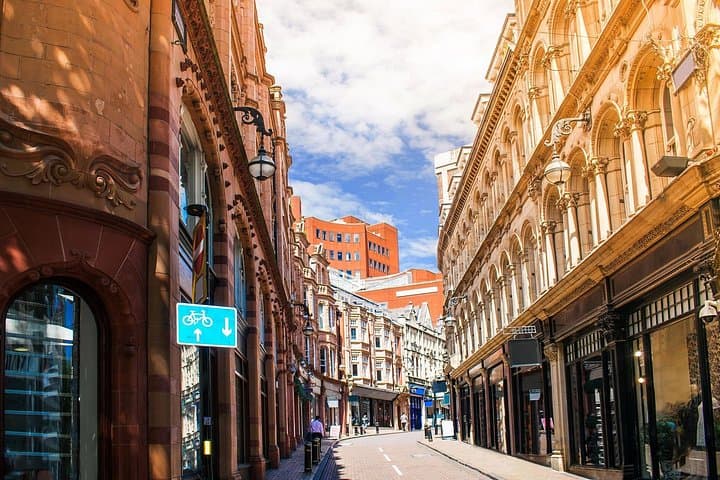
The route moves toward Brindleyplace, where canals cut through the urban grid and once carried coal and iron; now barges nudge past cafés and office glass. Along the way you’ll pass St. Philip’s Cathedral, the Town Hall, and streets that remember the Guild of the Holy Cross and the city’s role in the Industrial Revolution. Geology is literal here: Birmingham’s clays, coal measures and iron deposits powered expansion, while the Jewellery Quarter reflects a long craft tradition that still hums today.
Culturally the city is restless and diverse — markets, galleries and curry houses speak to waves of migration and trade. Local insights from a private guide bring these layers to life: where the city defended itself in the Civil War, which streets housed iron merchants, and small architectural details that most visitors miss.
Practical guidance: the tour is about two hours, mostly flat paved streets and short canal-side paths. Wear supportive shoes, bring a contactless card for transit or coffee, and plan for variable British weather — a light waterproof and layers suffice most of the year. The pace is gentle and accessible for most walkers; expect frequent stops for commentary and photos. If you want to customize your route, ask your guide — private format makes that easy.
The private walking tour runs approximately two hours and covers central sites from Centenary Square to Brindleyplace.
Yes; the route is family-friendly with mostly flat, paved surfaces and is stroller-accessible in most sections.
Yes; as a private tour the guide can adjust highlights on the spot to focus on industry, architecture, or local food stops.
Most tours meet at Centenary Square, accessible by tram and a short walk from New Street Station; details are provided at booking.
Global Guide Services operates guided outdoor trips and adventures with an emphasis on safety, stewardship, and memorable experiences.


A crisp morning in Centenary Square: tramlines hum, pigeons wheel over the Council House, and the stone façade of the Birmingham Museum & Art Gallery plants itself like a marker at the city’s cultural edge. The guide meets you here and the city opens up as a walkable classroom — brick and metal telling the story of steam, trade and reinvention.
A crisp morning in Centenary Square: tramlines hum, pigeons wheel over the Council House, and the stone façade of the Birmingham Museum & Art Gallery plants itself like a marker at the city’s cultural edge. The guide meets you here and the city opens up as a walkable classroom — brick and metal telling the story of steam, trade and reinvention.
The route moves toward Brindleyplace, where canals cut through the urban grid and once carried coal and iron; now barges nudge past cafés and office glass. Along the way you’ll pass St. Philip’s Cathedral, the Town Hall, and streets that remember the Guild of the Holy Cross and the city’s role in the Industrial Revolution. Geology is literal here: Birmingham’s clays, coal measures and iron deposits powered expansion, while the Jewellery Quarter reflects a long craft tradition that still hums today.
Culturally the city is restless and diverse — markets, galleries and curry houses speak to waves of migration and trade. Local insights from a private guide bring these layers to life: where the city defended itself in the Civil War, which streets housed iron merchants, and small architectural details that most visitors miss.
Practical guidance: the tour is about two hours, mostly flat paved streets and short canal-side paths. Wear supportive shoes, bring a contactless card for transit or coffee, and plan for variable British weather — a light waterproof and layers suffice most of the year. The pace is gentle and accessible for most walkers; expect frequent stops for commentary and photos. If you want to customize your route, ask your guide — private format makes that easy.