THE ADVENTURE COLLECTIVE® · Independent discovery and booking for outdoor travel

Explore two centuries of Birmingham on a focused, two-hour walk from the Library of Birmingham through canals, Victorian streets and modern redevelopments. Local experts guide you past Symphony Hall, Brindleyplace and historic towpaths while sharing industrial and cultural context.
Explore two centuries of Birmingham on a focused, two-hour walk from the Library of Birmingham through canals, Victorian streets and modern redevelopments. Local experts guide you past Symphony Hall, Brindleyplace and historic towpaths while sharing industrial and cultural context.
You step out of the Library of Birmingham and the city opens like a map in motion: the glass and steel of contemporary civic life, the slow glint of canal water, and rows of Victorian brick that remember industry.
Verified experiences and guided adventures in the surrounding area.
Operated by Positively Birmingham Walking Tours · Birmingham, West Midlands
You step out of the Library of Birmingham and the city opens like a map in motion: the glass and steel of contemporary civic life, the slow glint of canal water, and rows of Victorian brick that remember industry.
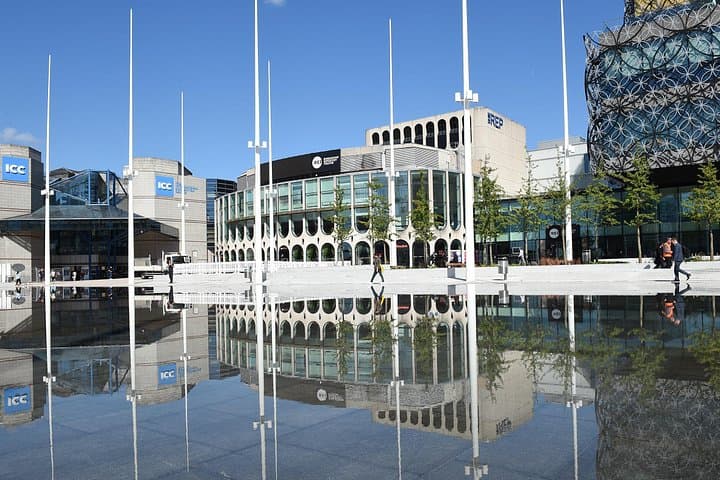
This two-hour guided walk threads Centenary Square, Symphony Hall and Brindleyplace before following the canal basin where Birmingham’s Georgian and Victorian entrepreneurs redirected water and commerce. Guides point to architecture by Martin & Chamberlain, the converted sorting office that now houses media and creative firms, and the Cube’s dramatic façades that offer unexpected skyline views.
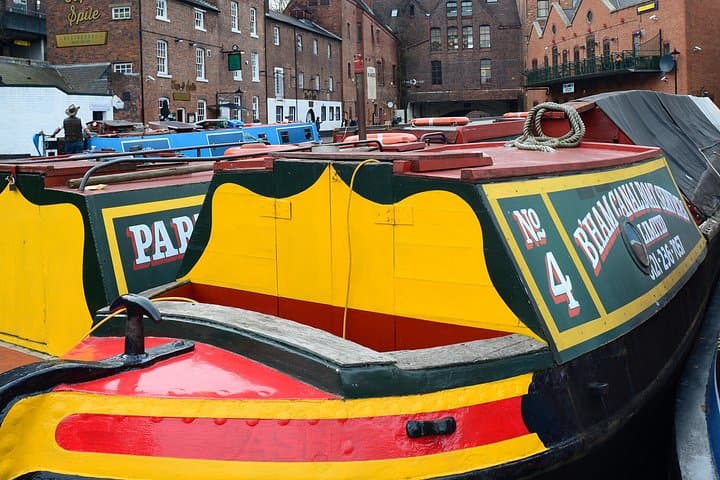
Birmingham’s canals were arteries of the Industrial Revolution, engineered from the late 18th century to move coal and goods; today they bring narrowboats, wildlife and quieter perspectives on a dense urban grid. Along the route you’ll see public art, Art Deco memorials, and adaptive reuse projects that show how the city retools old structures for new industries and communities.
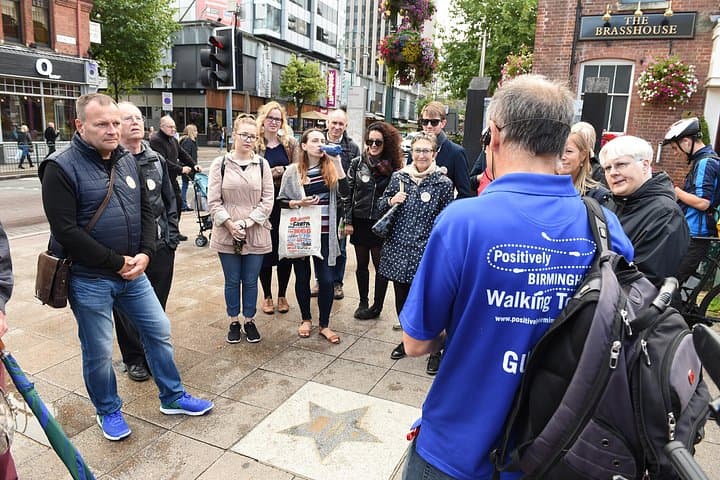
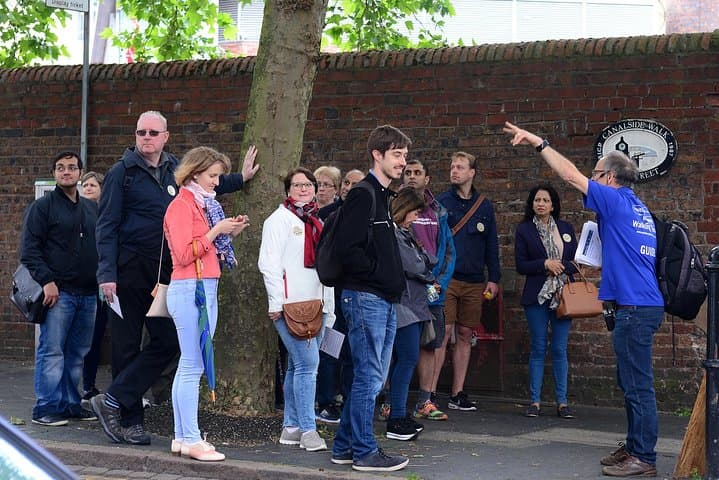
Expect steady walking on paved streets and towpaths, occasional steps and short stops for interpretation. The tour is led by local experts and uses an audio receiver system—bring headphones with a 3.5mm jack or use the supplied pair. Each household receives a copy of Discovering Birmingham as a memento, and the operator supports Sifa Fireside, a local homelessness charity.
Practical notes: arrive 10 minutes early at the Library, wear comfortable shoes, and plan for mixed weather—bring a light waterproof. The route can be adapted for wheelchair users with advance notice.
The tour starts and finishes at the Library of Birmingham in Centenary Square; arrive at least 10 minutes early to collect audio equipment.
The route can be adapted for wheelchairs but may require modifications—organizers ask that you email ahead so they can plan an accessible route.
Tours are led by local experts and delivered in English; guides often include authors and architectural specialists familiar with Birmingham’s history.
For a full refund cancel at least 24 hours before the scheduled departure; tours may be canceled in bad weather.
Positively Birmingham Walking Tours operates guided outdoor trips and adventures with an emphasis on safety, stewardship, and memorable experiences.
You step out of the Library of Birmingham and the city opens like a map in motion: the glass and steel of contemporary civic life, the slow glint of canal water, and rows of Victorian brick that remember industry.
You step out of the Library of Birmingham and the city opens like a map in motion: the glass and steel of contemporary civic life, the slow glint of canal water, and rows of Victorian brick that remember industry.
This two-hour guided walk threads Centenary Square, Symphony Hall and Brindleyplace before following the canal basin where Birmingham’s Georgian and Victorian entrepreneurs redirected water and commerce. Guides point to architecture by Martin & Chamberlain, the converted sorting office that now houses media and creative firms, and the Cube’s dramatic façades that offer unexpected skyline views.
Birmingham’s canals were arteries of the Industrial Revolution, engineered from the late 18th century to move coal and goods; today they bring narrowboats, wildlife and quieter perspectives on a dense urban grid. Along the route you’ll see public art, Art Deco memorials, and adaptive reuse projects that show how the city retools old structures for new industries and communities.
Expect steady walking on paved streets and towpaths, occasional steps and short stops for interpretation. The tour is led by local experts and uses an audio receiver system—bring headphones with a 3.5mm jack or use the supplied pair. Each household receives a copy of Discovering Birmingham as a memento, and the operator supports Sifa Fireside, a local homelessness charity.
Practical notes: arrive 10 minutes early at the Library, wear comfortable shoes, and plan for mixed weather—bring a light waterproof. The route can be adapted for wheelchair users with advance notice.