THE ADVENTURE COLLECTIVE® · Independent discovery and booking for outdoor travel

Experience Cairo’s rawest livestock market at Birqash, 35 km northwest of the city. Arrive early to watch traders haggle over hundreds of camels in a morning of dust, bargaining and local ritual.
Experience Cairo’s rawest livestock market at Birqash, 35 km northwest of the city. Arrive early to watch traders haggle over hundreds of camels in a morning of dust, bargaining and local ritual.
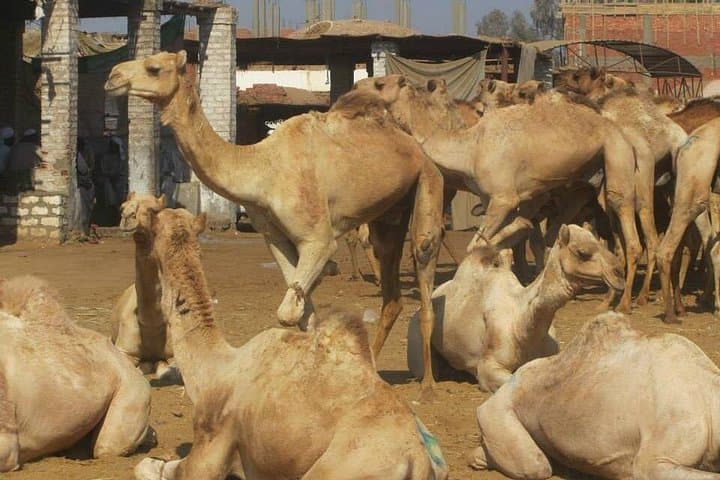
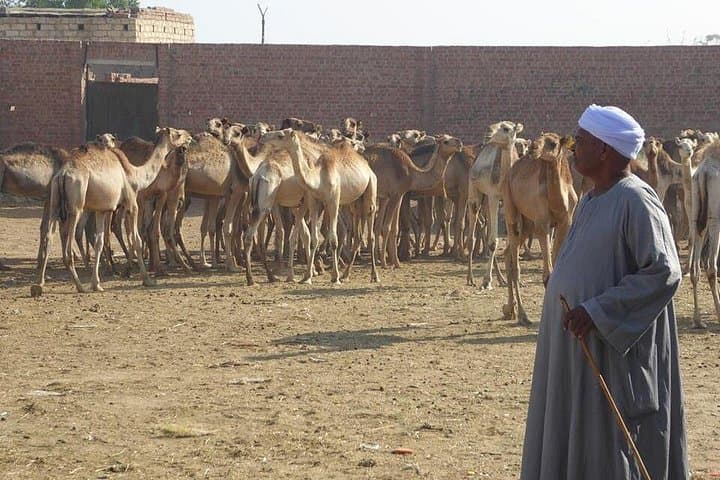
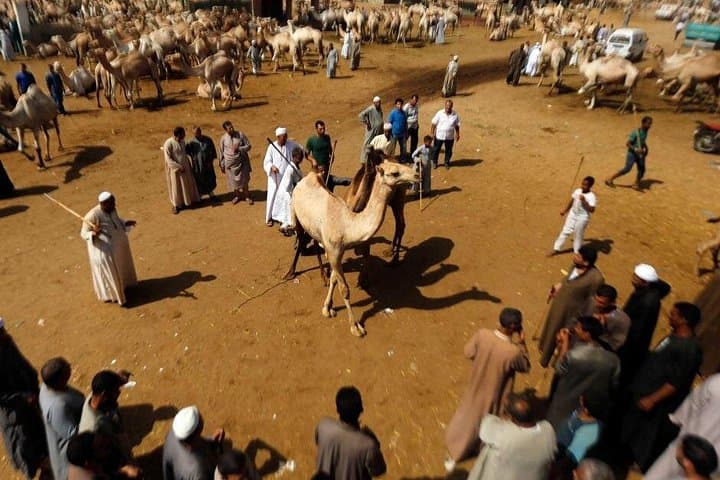
Before dawn the road north from Cairo opens into low, cultivated fields and the air takes on a dry, pungent sharpness. By 7 a.m. the Birqash market is a moving theater: camels stand in tethered groups, traders shout prices, and dust rises with every bargaining step. The scene is immediate and uncompromising — you are on the edge of the Nile Delta where river-borne silt meets arid desert soil, and human commerce drives the rhythm.
Verified experiences and guided adventures in the surrounding area.
Operated by Egypt Mo Tours · Birqash, Giza Governorate
Before dawn the road north from Cairo opens into low, cultivated fields and the air takes on a dry, pungent sharpness. By 7 a.m. the Birqash market is a moving theater: camels stand in tethered groups, traders shout prices, and dust rises with every bargaining step. The scene is immediate and uncompromising — you are on the edge of the Nile Delta where river-borne silt meets arid desert soil, and human commerce drives the rhythm.
Birqash sits about 35 km northwest of central Cairo and has hosted livestock trading for generations, tied to Egypt’s long dependence on camels for transport, agriculture, and ceremony. Geologically, the market sits on the Delta fringe where alluvial plains give way to dryer, sandier ground; culturally it’s a working place, not a tourist attraction — expect blunt exchanges, layered dialects, and practical rituals around animal handling.
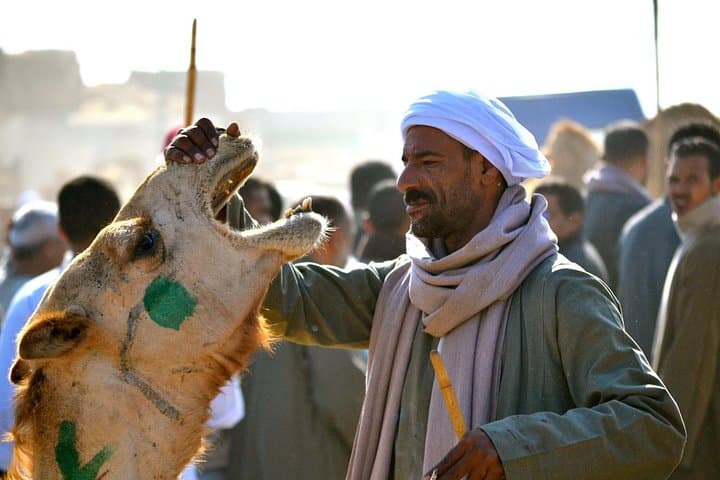
Visitors see hundreds of camels, from young stock to beasts used for load work, and witness traders checking teeth, gait and temperament. The market’s energy peaks between 7–10 a.m.; after that, deals are done and the crowd thins. Guides and drivers smooth logistics — pickups from Cairo take roughly 45–75 minutes depending on traffic.
Practical tips: arrive early, wear sturdy closed-toe shoes, carry water and a scarf for dust, and ask before photographing people or animals. Be prepared for confronting sights; this is a local commercial hub where animal welfare standards differ from international norms. Use a local guide, keep valuables discreet, and budget an hour for the drive each way. The visit rewards those who come with curiosity, respect for local practice, and steady shoes.
Birqash is roughly 35 km northwest of central Cairo; typical drive times range from 45 minutes to 1 hour 15 minutes depending on traffic.
Photography is common but sensitive—always ask traders or use your guide to request permission before taking close-up photos of people or animals.
Children should be accompanied by adults; the environment can be loud, dusty, and include rough animal handling that may upset some kids.
Basic snacks may be available and some tours include light refreshments, but bring water, sun protection, and expect minimal restroom facilities.
Egypt Mo Tours operates guided outdoor trips and adventures with an emphasis on safety, stewardship, and memorable experiences.
Before dawn the road north from Cairo opens into low, cultivated fields and the air takes on a dry, pungent sharpness. By 7 a.m. the Birqash market is a moving theater: camels stand in tethered groups, traders shout prices, and dust rises with every bargaining step. The scene is immediate and uncompromising — you are on the edge of the Nile Delta where river-borne silt meets arid desert soil, and human commerce drives the rhythm.
Before dawn the road north from Cairo opens into low, cultivated fields and the air takes on a dry, pungent sharpness. By 7 a.m. the Birqash market is a moving theater: camels stand in tethered groups, traders shout prices, and dust rises with every bargaining step. The scene is immediate and uncompromising — you are on the edge of the Nile Delta where river-borne silt meets arid desert soil, and human commerce drives the rhythm.
Birqash sits about 35 km northwest of central Cairo and has hosted livestock trading for generations, tied to Egypt’s long dependence on camels for transport, agriculture, and ceremony. Geologically, the market sits on the Delta fringe where alluvial plains give way to dryer, sandier ground; culturally it’s a working place, not a tourist attraction — expect blunt exchanges, layered dialects, and practical rituals around animal handling.
Visitors see hundreds of camels, from young stock to beasts used for load work, and witness traders checking teeth, gait and temperament. The market’s energy peaks between 7–10 a.m.; after that, deals are done and the crowd thins. Guides and drivers smooth logistics — pickups from Cairo take roughly 45–75 minutes depending on traffic.
Practical tips: arrive early, wear sturdy closed-toe shoes, carry water and a scarf for dust, and ask before photographing people or animals. Be prepared for confronting sights; this is a local commercial hub where animal welfare standards differ from international norms. Use a local guide, keep valuables discreet, and budget an hour for the drive each way. The visit rewards those who come with curiosity, respect for local practice, and steady shoes.