THE ADVENTURE COLLECTIVE® · Independent discovery and booking for outdoor travel

Drive out of Jodhpur into thorn-scrub country to meet the Bishnoi people—watch blackbuck, visit Khejarli’s celebrated trees and try village pottery and rug-weaving on a private half-day safari.
Drive out of Jodhpur into thorn-scrub country to meet the Bishnoi people—watch blackbuck, visit Khejarli’s celebrated trees and try village pottery and rug-weaving on a private half-day safari.
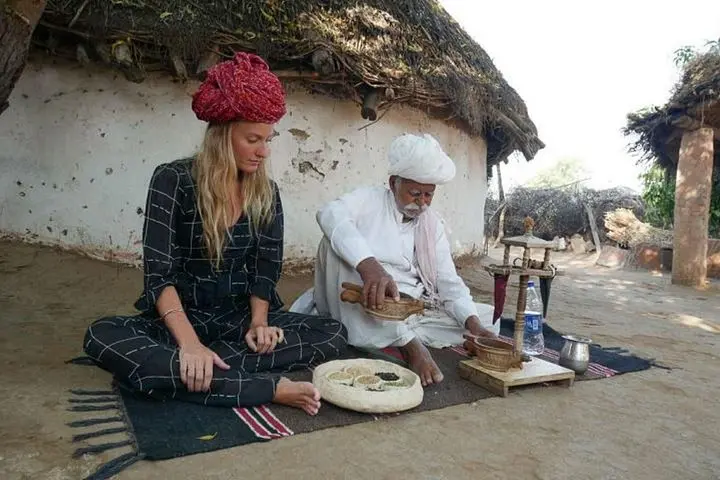
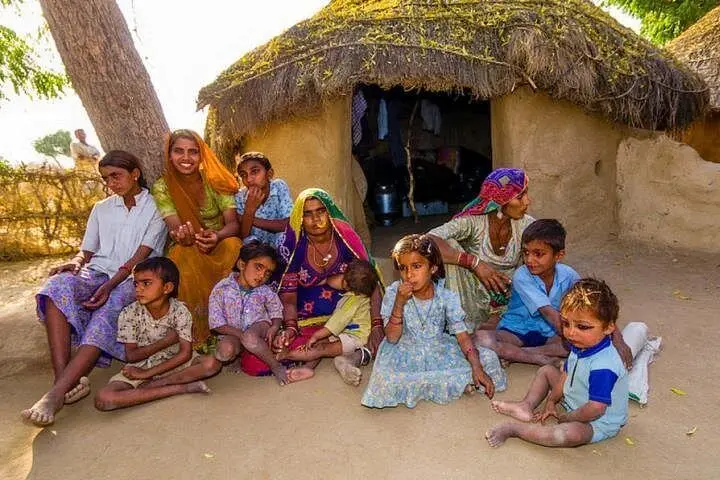
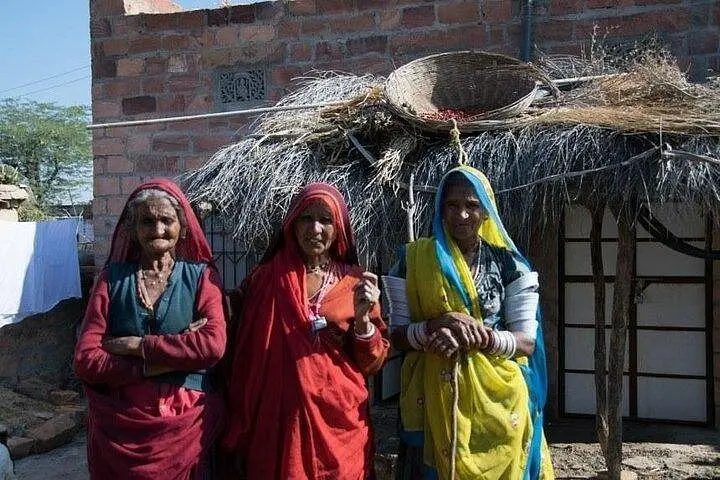
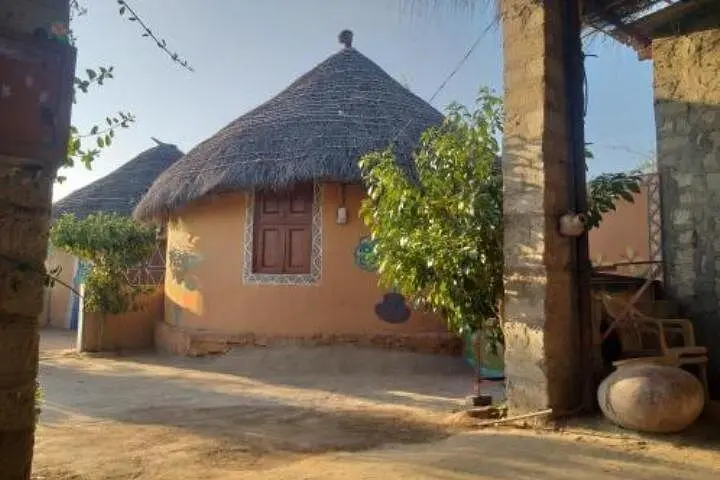
You roll out of Jodhpur’s heat into a low scrubland where thorny khejri trees and wide, dry ponds set the day's rhythm. The private vehicle cuts across sandy tracks and small hamlets; dust lifts like a curtain and the villages reveal themselves—women threading rugs, potters shaping clay, shepherds moving flocks beneath a wide blue sky.
Verified experiences and guided adventures in the surrounding area.
Operated by Jodhpur Blue City Walk Experience · Jodhpur, Rajasthan
You roll out of Jodhpur’s heat into a low scrubland where thorny khejri trees and wide, dry ponds set the day's rhythm. The private vehicle cuts across sandy tracks and small hamlets; dust lifts like a curtain and the villages reveal themselves—women threading rugs, potters shaping clay, shepherds moving flocks beneath a wide blue sky.
This is Bishnoi country, a community formed around strict environmental customs dating to the 15th century; Khejarli is known for the 1730s stand in which villagers sacrificed their lives to protect the khejri tree. The landscape is part of the Thar fringe—sandy soils, scattered acacias and grassland where blackbuck and chinkara graze, and during migration months Guda Pond calls thousands of demoiselle cranes.
Expect short stops at family-run workshops for rug weaving and pottery, a wildlife watch for blue bulls and desert foxes, and a quiet walk through Khejarli’s groves. Guides typically point out local conservation practices and the Bishnoi code that shapes daily life.
Practical edge: the half-day tour runs about four hours with hotel pickup in Jodhpur; wear breathable fabrics, sturdy closed shoes and sun protection. Bring water, a camera and modesty in dress—these are working villages. Morning departures are best for wildlife and softer light; afternoons are warmer but quieter on roads. Respect private property, ask before photographing people, and consider buying a locally made durry or pottery piece to support artisans. The trip is accessible to most fitness levels and gives a compact, characterful window into rural Rajasthan’s ecology and culture.
The half-day tour runs approximately four hours and includes hotel, airport or station pickup and drop-off in Jodhpur.
Common sightings include blackbuck, chinkara, nilgai (blue bull), desert foxes and seasonal migratory demoiselle cranes near Guda Pond.
Yes—stops typically include rug weaving and pottery demonstrations where you can watch and buy items from local artisans.
Yes; the tour is rated easy and involves short walks. Inform the operator of special needs when booking for tailored pickup and pace.
Jodhpur Blue City Walk Experience operates guided outdoor trips and adventures with an emphasis on safety, stewardship, and memorable experiences.
You roll out of Jodhpur’s heat into a low scrubland where thorny khejri trees and wide, dry ponds set the day's rhythm. The private vehicle cuts across sandy tracks and small hamlets; dust lifts like a curtain and the villages reveal themselves—women threading rugs, potters shaping clay, shepherds moving flocks beneath a wide blue sky.
You roll out of Jodhpur’s heat into a low scrubland where thorny khejri trees and wide, dry ponds set the day's rhythm. The private vehicle cuts across sandy tracks and small hamlets; dust lifts like a curtain and the villages reveal themselves—women threading rugs, potters shaping clay, shepherds moving flocks beneath a wide blue sky.
This is Bishnoi country, a community formed around strict environmental customs dating to the 15th century; Khejarli is known for the 1730s stand in which villagers sacrificed their lives to protect the khejri tree. The landscape is part of the Thar fringe—sandy soils, scattered acacias and grassland where blackbuck and chinkara graze, and during migration months Guda Pond calls thousands of demoiselle cranes.
Expect short stops at family-run workshops for rug weaving and pottery, a wildlife watch for blue bulls and desert foxes, and a quiet walk through Khejarli’s groves. Guides typically point out local conservation practices and the Bishnoi code that shapes daily life.
Practical edge: the half-day tour runs about four hours with hotel pickup in Jodhpur; wear breathable fabrics, sturdy closed shoes and sun protection. Bring water, a camera and modesty in dress—these are working villages. Morning departures are best for wildlife and softer light; afternoons are warmer but quieter on roads. Respect private property, ask before photographing people, and consider buying a locally made durry or pottery piece to support artisans. The trip is accessible to most fitness levels and gives a compact, characterful window into rural Rajasthan’s ecology and culture.