THE ADVENTURE COLLECTIVE® · Independent discovery and booking for outdoor travel

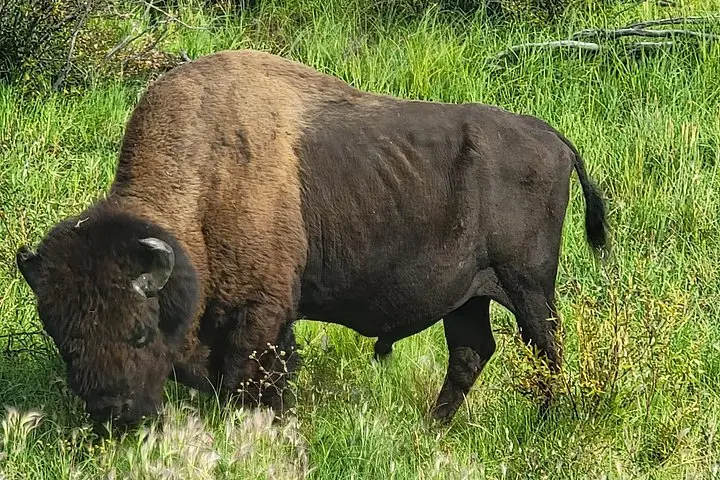
Drive south of Yellowknife along Highway 3 in search of free-roaming wood bison against the shores of Great Slave Lake. This 4–6 hour guided road tour pairs vehicle-based wildlife viewing with local context and a light picnic.
Drive south of Yellowknife along Highway 3 in search of free-roaming wood bison against the shores of Great Slave Lake. This 4–6 hour guided road tour pairs vehicle-based wildlife viewing with local context and a light picnic.
The engine hums and the road unfurls south of Yellowknife, Great Slave Lake to the west and low tundra to the east. Early light hits the herd before you see it — dark backs rising and falling like a slow tide. On this guided road tour, the landscape feels alive: gravel shoulders dust, wind pushes across open muskeg, and bison graze with the patient indifference of animals long adapted to northern winters.
Verified experiences and guided adventures in the surrounding area.
Operated by Bucket List Tour · Yellowknife, Northwest Territories
The engine hums and the road unfurls south of Yellowknife, Great Slave Lake to the west and low tundra to the east. Early light hits the herd before you see it — dark backs rising and falling like a slow tide. On this guided road tour, the landscape feels alive: gravel shoulders dust, wind pushes across open muskeg, and bison graze with the patient indifference of animals long adapted to northern winters.
This stretch of Highway 3 skirts the southern rim of Great Slave Lake, one of the largest freshwater basins in North America. The region is within traditional Dene territory and is also central to wood bison conservation efforts after populations plummeted in the 20th century; modern sightings reflect both the resilience of the species and ongoing management. Geology here is glacial—scoured bedrock, thin soils, and shallow lakes carved by ice that left behind the broad basin of Great Slave Lake.
Culturally, the route links Yellowknife’s mining history, Dene communities, and a northern road network used for subsistence hunting and seasonal travel. Practicalities matter: the operator runs 4–6 hour drives in SUVs or coaches, provides a light picnic, and adjusts timing to where bison are found.
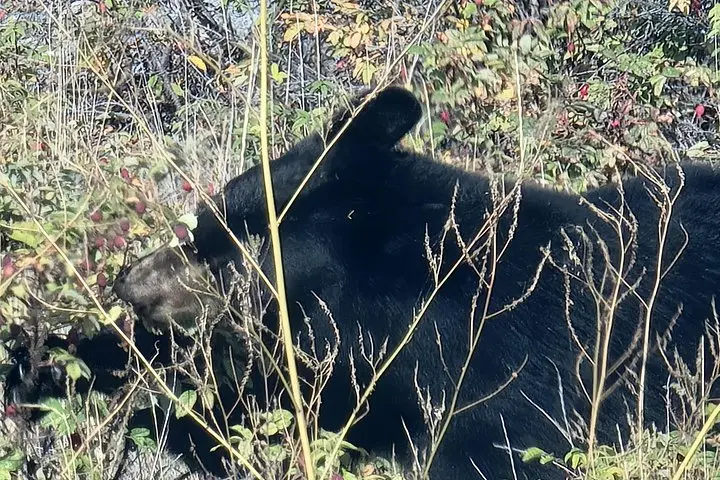
Expect vehicle-based viewing from safe distances, brief stops to photograph and stretch, and potential sightings of black bear or porcupine. Dress in layers, bring binoculars and insect protection in summer, and plan for variable daylight depending on season. The tour is family-friendly but requires basic mobility to board vehicles; trips may be canceled for severe weather. Arrive with camera batteries charged and a readiness to scan the roadside—bison don’t announce themselves, they simply command attention when you find them.
Guides keep vehicles at a safe distance; you can expect viewing from roadside pullouts or short, supervised stops—no approaching or feeding.
Yes; infants must sit on an adult's lap and small children can use strollers on board; assess comfort with road travel and potential cold.
The operator may cancel due to severe conditions; bookings are final but trips are adjusted or canceled if unsafe—confirm on booking.
Pickup and pickup-point information is requested at booking; confirm your preferred pickup location when reserving.
Bucket List Tour operates guided outdoor trips and adventures with an emphasis on safety, stewardship, and memorable experiences.
The engine hums and the road unfurls south of Yellowknife, Great Slave Lake to the west and low tundra to the east. Early light hits the herd before you see it — dark backs rising and falling like a slow tide. On this guided road tour, the landscape feels alive: gravel shoulders dust, wind pushes across open muskeg, and bison graze with the patient indifference of animals long adapted to northern winters.
The engine hums and the road unfurls south of Yellowknife, Great Slave Lake to the west and low tundra to the east. Early light hits the herd before you see it — dark backs rising and falling like a slow tide. On this guided road tour, the landscape feels alive: gravel shoulders dust, wind pushes across open muskeg, and bison graze with the patient indifference of animals long adapted to northern winters.
This stretch of Highway 3 skirts the southern rim of Great Slave Lake, one of the largest freshwater basins in North America. The region is within traditional Dene territory and is also central to wood bison conservation efforts after populations plummeted in the 20th century; modern sightings reflect both the resilience of the species and ongoing management. Geology here is glacial—scoured bedrock, thin soils, and shallow lakes carved by ice that left behind the broad basin of Great Slave Lake.
Culturally, the route links Yellowknife’s mining history, Dene communities, and a northern road network used for subsistence hunting and seasonal travel. Practicalities matter: the operator runs 4–6 hour drives in SUVs or coaches, provides a light picnic, and adjusts timing to where bison are found.
Expect vehicle-based viewing from safe distances, brief stops to photograph and stretch, and potential sightings of black bear or porcupine. Dress in layers, bring binoculars and insect protection in summer, and plan for variable daylight depending on season. The tour is family-friendly but requires basic mobility to board vehicles; trips may be canceled for severe weather. Arrive with camera batteries charged and a readiness to scan the roadside—bison don’t announce themselves, they simply command attention when you find them.