THE ADVENTURE COLLECTIVE® · Independent discovery and booking for outdoor travel

Two days of 4x4 exploration from Cairo to Bahariya Oasis, ending with an overnight camp in the White Desert beneath sculpted chalk formations and a Bedouin evening. Expect volcanic black fields, glittering crystal outcrops, and star-filled skies.
Two days of 4x4 exploration from Cairo to Bahariya Oasis, ending with an overnight camp in the White Desert beneath sculpted chalk formations and a Bedouin evening. Expect volcanic black fields, glittering crystal outcrops, and star-filled skies.
You leave Cairo before dawn and the highway thins into ochre plains. By late morning the palms of Bahariya Oasis appear like a green punctuation in the sand; lunches arrive under date palms, and the 4x4 climbs out toward the Black Desert where basalt mounds and volcanic scoria sit like a dark sea.
Verified experiences and guided adventures in the surrounding area.
You leave Cairo before dawn and the highway thins into ochre plains. By late morning the palms of Bahariya Oasis appear like a green punctuation in the sand; lunches arrive under date palms, and the 4x4 climbs out toward the Black Desert where basalt mounds and volcanic scoria sit like a dark sea.
By midafternoon the landscape changes again: quartz flecks on Crystal Mountain glitter with the low sun, and Agabat Valley cuts a canyon of layered sandstone that throws long shadows. As evening falls you enter the White Desert—wind-sculpted chalk formations rise from the sand in shapes that look engineered by giants. The camp is simple: canvas tents, a BBQ, soft drinks, and a Bedouin show under vast clarity of stars.
This region sits on the edge of the Western Desert; geologically the White Desert is exposed chalk and limestone carved by wind, while the Black Desert is older volcanic apron. Bahariya has layers of human history too, from Pharaonic trade routes to Greco-Roman presence and modern Bedouin culture that still guides travelers.
Practical guidance: expect long bumpy 4x4 drives and short walks on sand and rock. Bring at least 3L water per person, sun protection, and warm layers for nighttime temperatures that can drop sharply. Plan for simple camping amenities—toilets and washing are basic. Travel earlier or later in the year for milder daytime heat; summer afternoons can be extreme. Respect local customs, keep to marked tracks, and avoid removing geological specimens. The reward is clear air, sculpted horizons, and a desert that feels both ancient and alive.
Expect long stretches on paved highway followed by several hours on graded desert tracks; rides are bumpy but handled by experienced 4x4 drivers.
Typical tours include lunch on the first day, dinner (BBQ) at camp, and breakfast; bottled water is usually provided but bring extras if you prefer more.
Overnight is in simple canvas tents on mattresses; bedding is provided but you may want a sleeping liner for extra warmth and hygiene.
Yes, if participants can tolerate long vehicle rides and basic camping; consult the operator for mobility limitations or medical needs.
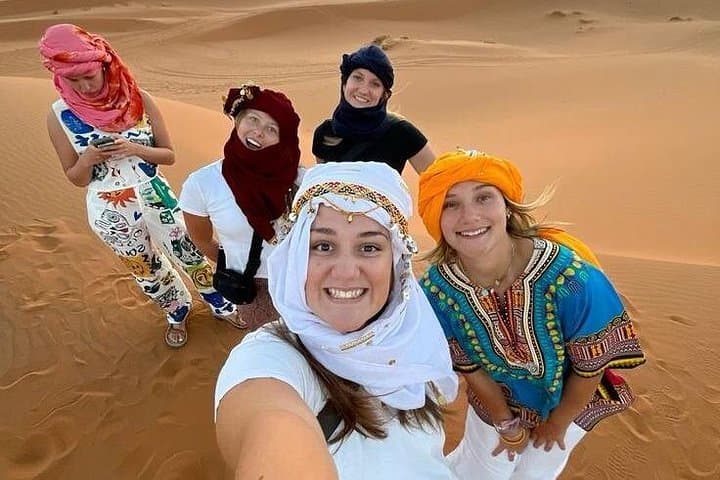
You leave Cairo before dawn and the highway thins into ochre plains. By late morning the palms of Bahariya Oasis appear like a green punctuation in the sand; lunches arrive under date palms, and the 4x4 climbs out toward the Black Desert where basalt mounds and volcanic scoria sit like a dark sea.
You leave Cairo before dawn and the highway thins into ochre plains. By late morning the palms of Bahariya Oasis appear like a green punctuation in the sand; lunches arrive under date palms, and the 4x4 climbs out toward the Black Desert where basalt mounds and volcanic scoria sit like a dark sea.
By midafternoon the landscape changes again: quartz flecks on Crystal Mountain glitter with the low sun, and Agabat Valley cuts a canyon of layered sandstone that throws long shadows. As evening falls you enter the White Desert—wind-sculpted chalk formations rise from the sand in shapes that look engineered by giants. The camp is simple: canvas tents, a BBQ, soft drinks, and a Bedouin show under vast clarity of stars.
This region sits on the edge of the Western Desert; geologically the White Desert is exposed chalk and limestone carved by wind, while the Black Desert is older volcanic apron. Bahariya has layers of human history too, from Pharaonic trade routes to Greco-Roman presence and modern Bedouin culture that still guides travelers.
Practical guidance: expect long bumpy 4x4 drives and short walks on sand and rock. Bring at least 3L water per person, sun protection, and warm layers for nighttime temperatures that can drop sharply. Plan for simple camping amenities—toilets and washing are basic. Travel earlier or later in the year for milder daytime heat; summer afternoons can be extreme. Respect local customs, keep to marked tracks, and avoid removing geological specimens. The reward is clear air, sculpted horizons, and a desert that feels both ancient and alive.