THE ADVENTURE COLLECTIVE® · Independent discovery and booking for outdoor travel

Leave Strasbourg for a full-day exploration of the Black Forest’s storybook towns, living-history museum and glacial Mummelsee. Small-group transport and an English guide make traditional crafts, local legends and forested walks easy to access.
Leave Strasbourg for a full-day exploration of the Black Forest’s storybook towns, living-history museum and glacial Mummelsee. Small-group transport and an English guide make traditional crafts, local legends and forested walks easy to access.
You step out of Strasbourg’s bustle into a cool, fragrant canopy an hour later — the van eases onto a road that climbs through fir and beech, and the Black Forest opens like a living map.
Verified experiences and guided adventures in the surrounding area.
Operated by Tour.Alsace · Strasbourg, Grand Est
You step out of Strasbourg’s bustle into a cool, fragrant canopy an hour later — the van eases onto a road that climbs through fir and beech, and the Black Forest opens like a living map.
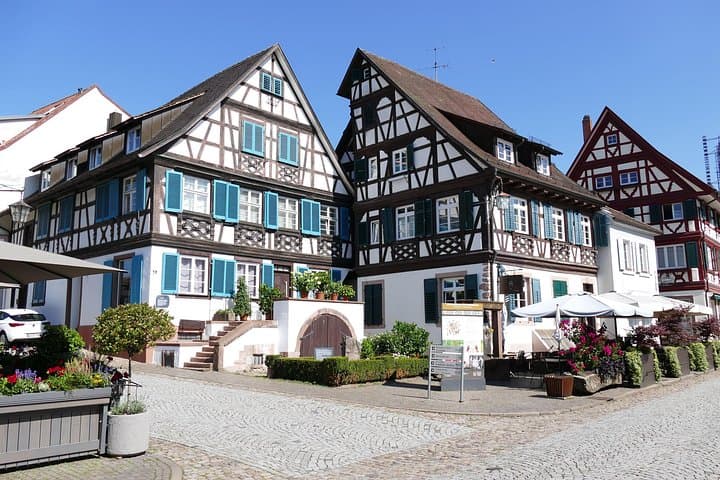
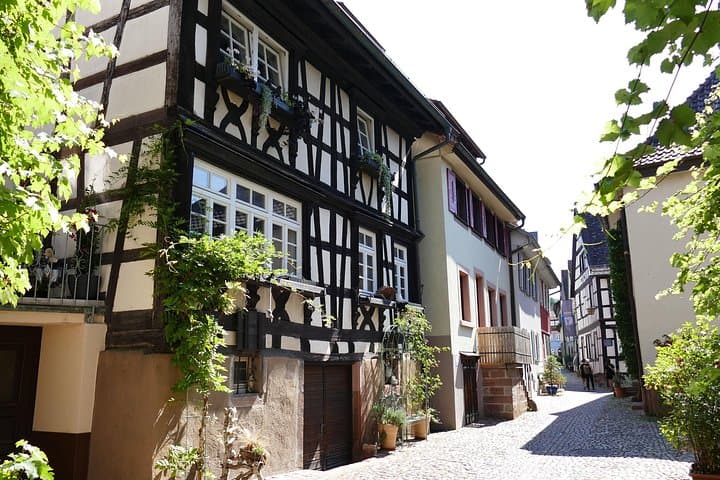
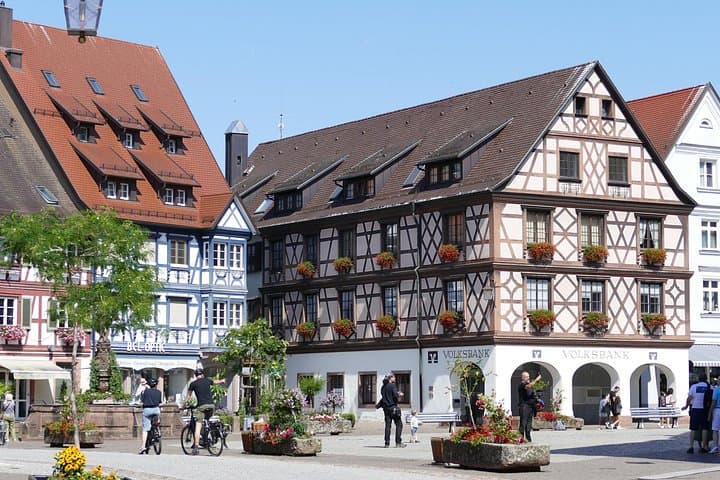
The day begins in Gengenbach, where cobbled lanes and half-timbered facades show how medieval market towns anchored rural life. Geologically the region is ancient: rounded uplands of the Central Black Forest are carved from gneiss and granite, shaped by Pleistocene glaciation that left behind pockets like the Mummelsee — a small glacial cirque lake whose dark surface has fed local myths for centuries.
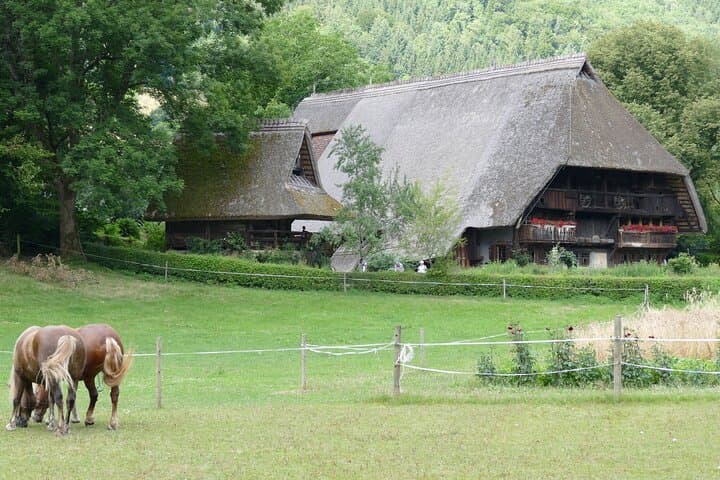
At the Vogtsbauernhof Open-Air Museum you’ll move through reconstructed farmsteads from the 17th–19th centuries, watching traditional craft demonstrations and seeing how upland agriculture and forestry defined culture here. The guide explains cuckoo-clock-making, transhumance patterns, and the Kinzig valley’s role in timber trade.
Practical guidance: the tour is a full-day loop (about 9 hours) with hotel pickup in Strasbourg. Expect short, easy walks — uneven cobbles and forest paths — and about 60–180 minutes at major stops. Wear sturdy walking shoes, a light waterproof layer, and bring cash for small museums, cakes and souvenirs. Photography favors early or late light at Mummelsee; midday can be hazy.
Timing tips: spring and fall offer the best color and fewer crowds; summer is mild but busier. The small-group format (max 7) makes it easy to ask questions and linger at viewpoints. Respect local rules at the museum and help protect fragile bog edges around Mummelsee by staying on marked paths.
The tour runs about 9 hours from Strasbourg and includes transport, an English-speaking guide, entrance to the Vogtsbauernhof museum and parking fees.
The itinerary is family-friendly but not suitable for children under 4; some uneven surfaces and steps at the museum may be challenging for limited mobility.
Yes — there are café and restaurant options at the museum and refreshments near Mummelsee; pack snacks if you prefer specific dietary items.
No special border formalities are required for EU residents; non-EU travelers should carry ID or passport as standard when crossing into Germany from France.
Tour.Alsace operates guided outdoor trips and adventures with an emphasis on safety, stewardship, and memorable experiences.
You step out of Strasbourg’s bustle into a cool, fragrant canopy an hour later — the van eases onto a road that climbs through fir and beech, and the Black Forest opens like a living map.
You step out of Strasbourg’s bustle into a cool, fragrant canopy an hour later — the van eases onto a road that climbs through fir and beech, and the Black Forest opens like a living map.
The day begins in Gengenbach, where cobbled lanes and half-timbered facades show how medieval market towns anchored rural life. Geologically the region is ancient: rounded uplands of the Central Black Forest are carved from gneiss and granite, shaped by Pleistocene glaciation that left behind pockets like the Mummelsee — a small glacial cirque lake whose dark surface has fed local myths for centuries.
At the Vogtsbauernhof Open-Air Museum you’ll move through reconstructed farmsteads from the 17th–19th centuries, watching traditional craft demonstrations and seeing how upland agriculture and forestry defined culture here. The guide explains cuckoo-clock-making, transhumance patterns, and the Kinzig valley’s role in timber trade.
Practical guidance: the tour is a full-day loop (about 9 hours) with hotel pickup in Strasbourg. Expect short, easy walks — uneven cobbles and forest paths — and about 60–180 minutes at major stops. Wear sturdy walking shoes, a light waterproof layer, and bring cash for small museums, cakes and souvenirs. Photography favors early or late light at Mummelsee; midday can be hazy.
Timing tips: spring and fall offer the best color and fewer crowds; summer is mild but busier. The small-group format (max 7) makes it easy to ask questions and linger at viewpoints. Respect local rules at the museum and help protect fragile bog edges around Mummelsee by staying on marked paths.