THE ADVENTURE COLLECTIVE® · Independent discovery and booking for outdoor travel

Walk the streets where Georgetown’s Black community built schools, churches and livelihoods. This 2–2.5 hour guided tour unpacks overlooked stories from the waterfront to Mount Zion Cemetery.
Walk the streets where Georgetown’s Black community built schools, churches and livelihoods. This 2–2.5 hour guided tour unpacks overlooked stories from the waterfront to Mount Zion Cemetery.
You meet on the brick edge of the Georgetown waterfront where the Potomac dares you to look across at Virginia, and the city’s old stone and red brick press close like pages in a well-read book.
Verified experiences and guided adventures in the surrounding area.
Operated by Off the Mall Tours · Washington, DC
You meet on the brick edge of the Georgetown waterfront where the Potomac dares you to look across at Virginia, and the city’s old stone and red brick press close like pages in a well-read book.
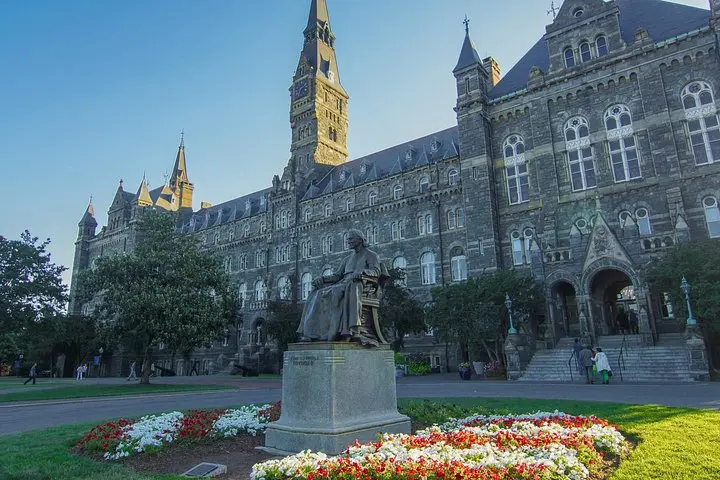
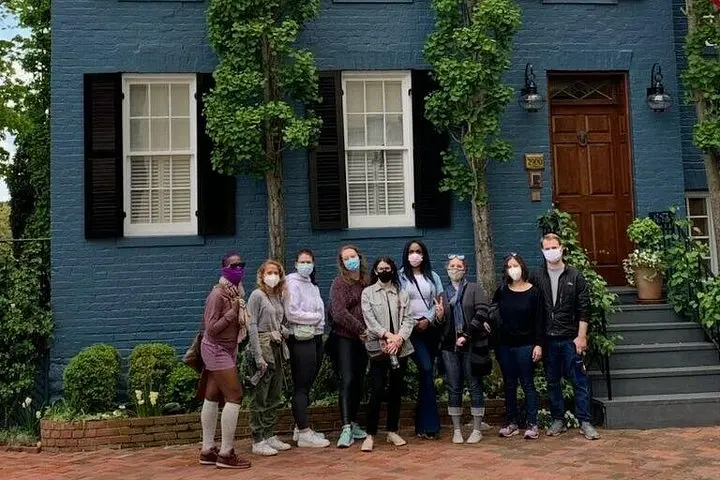
This guided walk threads through alleys and row houses that recall Georgetown’s 18th- and 19th-century life as a tobacco port and a place where enslaved and free Black residents shaped daily commerce, faith and schooling. Stops include Healy Hall, Pomander Walk, row houses that once served as holding pens, Mount Zion United Methodist Church and the small, solemn graves at Mount Zion Cemetery.
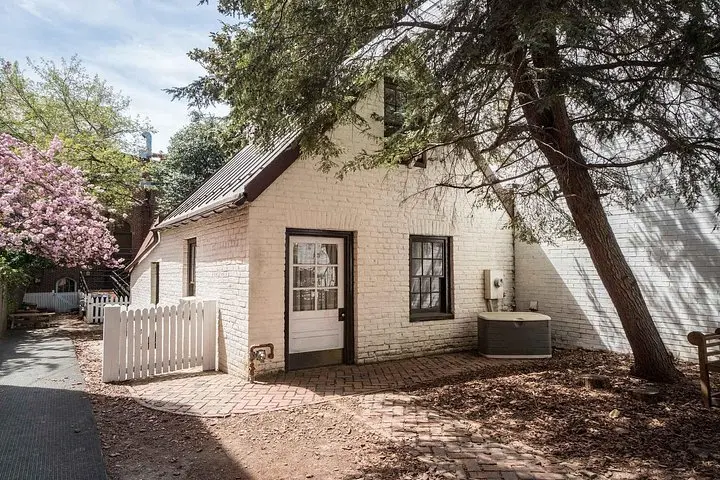
Geology here is urban: clay-rich river terraces raised the original port, while cobbled streets and 19th-century brickwork show mortar mixed with local river sand. Culturally, Georgetown’s Black community established schools, churches and tight-knit courtyard neighborhoods—pieces of that story survive in architecture and in place names that rarely get center stage.
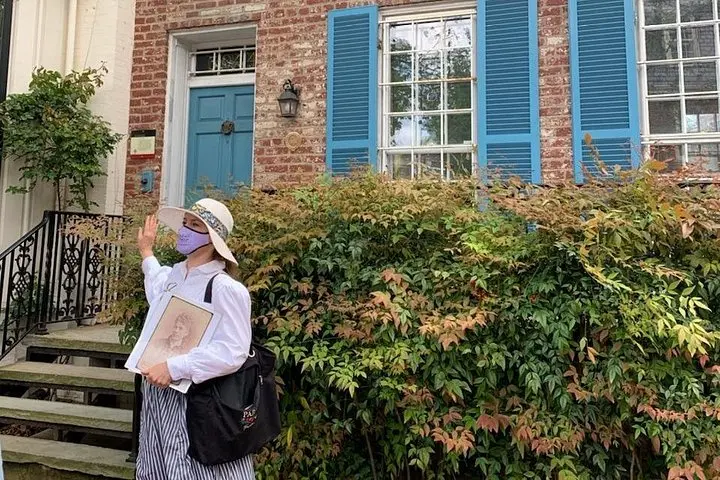
Expect two to two-and-a-half hours of walking on paved sidewalks and occasional uneven historic brick; there’s a short refreshment stop at Thomas Sweet. Guides balance archival detail with neighborhood anecdotes—the kind that turn addresses into people’s lives.
Practical notes: wear supportive shoes, bring a water bottle, and plan for traffic at busy intersections. The tour is family-friendly and wheelchair accessible in many parts, but some old pathways are narrow. Aim for a morning or late-afternoon slot to avoid peak sun and to hear the guide without the background of rush-hour traffic.
Much of the route is wheelchair and stroller accessible, but a few historic sections have narrow sidewalks; contact the operator in advance to confirm accessibility needs.
Yes—the itinerary includes a short stop at Thomas Sweet for restroom use and refreshments, but public restroom availability is otherwise limited.
Late arrivals may miss the group’s start time; the meeting point is on the waterfront—notify the operator if you expect to be late so they can advise on where to join.
This is an interpretive walking tour; external admissions are not included since stops are public exteriors, churches, and the cemetery.
Off the Mall Tours operates guided outdoor trips and adventures with an emphasis on safety, stewardship, and memorable experiences.
You meet on the brick edge of the Georgetown waterfront where the Potomac dares you to look across at Virginia, and the city’s old stone and red brick press close like pages in a well-read book.
You meet on the brick edge of the Georgetown waterfront where the Potomac dares you to look across at Virginia, and the city’s old stone and red brick press close like pages in a well-read book.
This guided walk threads through alleys and row houses that recall Georgetown’s 18th- and 19th-century life as a tobacco port and a place where enslaved and free Black residents shaped daily commerce, faith and schooling. Stops include Healy Hall, Pomander Walk, row houses that once served as holding pens, Mount Zion United Methodist Church and the small, solemn graves at Mount Zion Cemetery.
Geology here is urban: clay-rich river terraces raised the original port, while cobbled streets and 19th-century brickwork show mortar mixed with local river sand. Culturally, Georgetown’s Black community established schools, churches and tight-knit courtyard neighborhoods—pieces of that story survive in architecture and in place names that rarely get center stage.
Expect two to two-and-a-half hours of walking on paved sidewalks and occasional uneven historic brick; there’s a short refreshment stop at Thomas Sweet. Guides balance archival detail with neighborhood anecdotes—the kind that turn addresses into people’s lives.
Practical notes: wear supportive shoes, bring a water bottle, and plan for traffic at busy intersections. The tour is family-friendly and wheelchair accessible in many parts, but some old pathways are narrow. Aim for a morning or late-afternoon slot to avoid peak sun and to hear the guide without the background of rush-hour traffic.