THE ADVENTURE COLLECTIVE® · Independent discovery and booking for outdoor travel

Glide three miles into Jamaica’s largest navigable river to see mangrove corridors, over a hundred bird species, and the famed Black River crocodiles. This day trip from Montego Bay pairs easy boating with meaningful wildlife viewing.
Glide three miles into Jamaica’s largest navigable river to see mangrove corridors, over a hundred bird species, and the famed Black River crocodiles. This day trip from Montego Bay pairs easy boating with meaningful wildlife viewing.
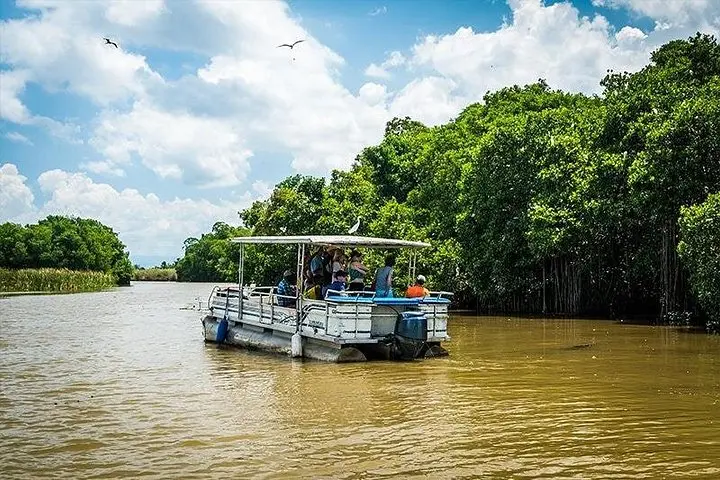
A narrow skiff slips away from the mangrove-dark mouth of the Black River, the hull whispering against tannin-stained water as the canopy closes in overhead. Sunlight fractures through Spanish moss; steam rises from the river like a living thing daring you to look closer.
Verified experiences and guided adventures in the surrounding area.
Operated by RPT Tours Jamaica · Black River, St Elizabeth Parish
A narrow skiff slips away from the mangrove-dark mouth of the Black River, the hull whispering against tannin-stained water as the canopy closes in overhead. Sunlight fractures through Spanish moss; steam rises from the river like a living thing daring you to look closer.
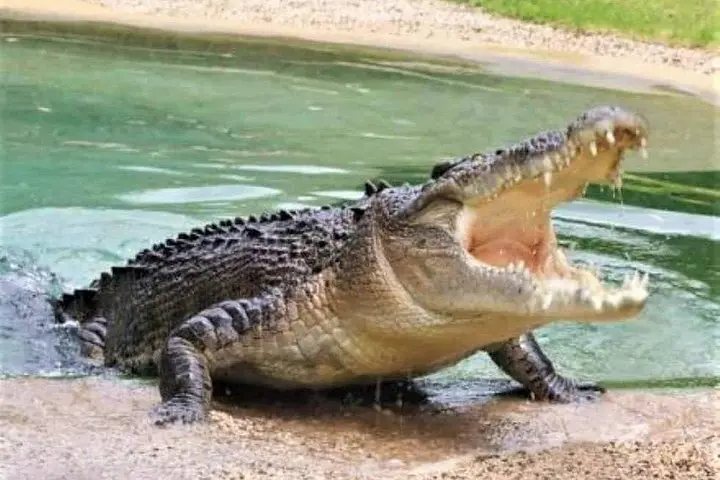
The Black River cuts across St. Elizabeth parish and has been a travel artery since colonial times, when boats carried timber and cane. Geologically the river runs through limestone and alluvial flats, feeding wetlands that support over 100 species of resident and migratory birds. Locals have long relied on these waters for fish and small-scale transport, and the river’s crocodiles—now protected—remain the most magnetic draw.
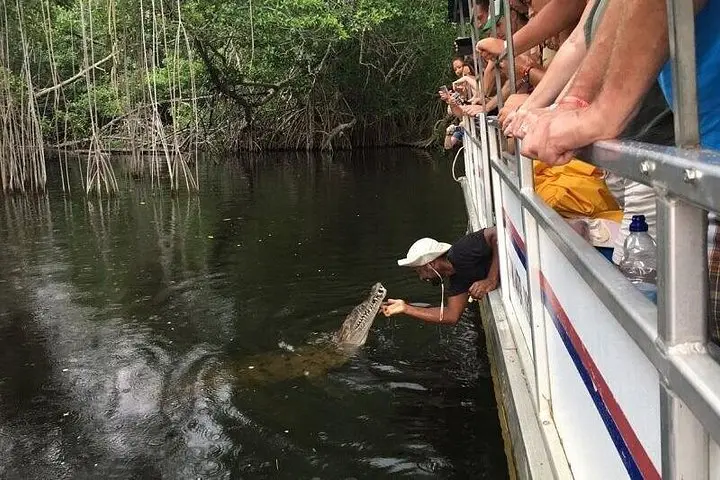
On the water you’ll drift under low bridges and past braided channels where herons strike like punctuation marks. Guides point out the differences between mangrove species and the telltale bulge of a crocodile lying motionless on a bank; the animals are watchful but habituated to boats, which makes sightings common but never guaranteed.
Practical guidance: tours typically run 4–6 hours round trip from Montego Bay with private transport and an air-conditioned vehicle. Wear quick-dry clothing and hat, bring insect repellent and binoculars, and expect gentle rolling in shallow, low-speed boats. Cameras with zoom lenses capture wildlife best; swimming is not advised because of currents and wildlife.
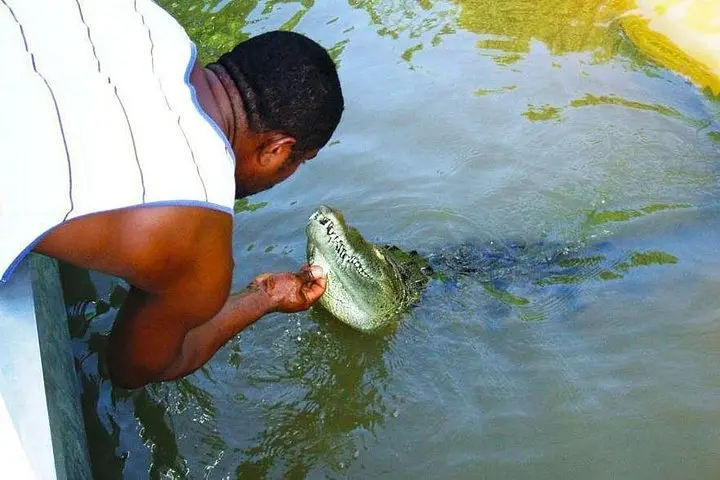
Timing matters: mornings are cooler and bird activity peaks; late afternoon offers softer light and fewer boats. Respect the ecology—avoid feeding wildlife and follow guide instructions to keep this fragile river healthy for the next visitor.
The guided river cruise itself covers roughly three miles upriver and back, typically part of a 4–6 hour door-to-door excursion from Montego Bay.
Sightings are common because the river supports a resident crocodile population, but they are wild animals and sightings cannot be guaranteed.
Children can usually join if supervised, but the tour advises against travel for pregnant guests and those with spinal injuries; check with the operator for age minimums.
No—swimming is not advised due to currents, visibility, and the presence of wildlife including crocodiles.
RPT Tours Jamaica operates guided outdoor trips and adventures with an emphasis on safety, stewardship, and memorable experiences.
A narrow skiff slips away from the mangrove-dark mouth of the Black River, the hull whispering against tannin-stained water as the canopy closes in overhead. Sunlight fractures through Spanish moss; steam rises from the river like a living thing daring you to look closer.
A narrow skiff slips away from the mangrove-dark mouth of the Black River, the hull whispering against tannin-stained water as the canopy closes in overhead. Sunlight fractures through Spanish moss; steam rises from the river like a living thing daring you to look closer.
The Black River cuts across St. Elizabeth parish and has been a travel artery since colonial times, when boats carried timber and cane. Geologically the river runs through limestone and alluvial flats, feeding wetlands that support over 100 species of resident and migratory birds. Locals have long relied on these waters for fish and small-scale transport, and the river’s crocodiles—now protected—remain the most magnetic draw.
On the water you’ll drift under low bridges and past braided channels where herons strike like punctuation marks. Guides point out the differences between mangrove species and the telltale bulge of a crocodile lying motionless on a bank; the animals are watchful but habituated to boats, which makes sightings common but never guaranteed.
Practical guidance: tours typically run 4–6 hours round trip from Montego Bay with private transport and an air-conditioned vehicle. Wear quick-dry clothing and hat, bring insect repellent and binoculars, and expect gentle rolling in shallow, low-speed boats. Cameras with zoom lenses capture wildlife best; swimming is not advised because of currents and wildlife.
Timing matters: mornings are cooler and bird activity peaks; late afternoon offers softer light and fewer boats. Respect the ecology—avoid feeding wildlife and follow guide instructions to keep this fragile river healthy for the next visitor.