THE ADVENTURE COLLECTIVE® · Independent discovery and booking for outdoor travel

Follow a gentle trail from Blagaj village to a powerful karst spring and a 15th‑century Dervish tekke, with a medieval fortress viewpoint and optional canyon extension. This easy, guide-led hike pairs natural drama with compact local history.
Follow a gentle trail from Blagaj village to a powerful karst spring and a 15th‑century Dervish tekke, with a medieval fortress viewpoint and optional canyon extension. This easy, guide-led hike pairs natural drama with compact local history.
You step off the roadside into the cool spray of the Buna Spring, where water leaps from a limestone throat beneath a 200‑meter cliff and seems to dare you to follow it upstream.
Verified experiences and guided adventures in the surrounding area.
Operated by Euro Connecta DMC · Blagaj, Herzegovina-Neretva Canton
You step off the roadside into the cool spray of the Buna Spring, where water leaps from a limestone throat beneath a 200‑meter cliff and seems to dare you to follow it upstream.
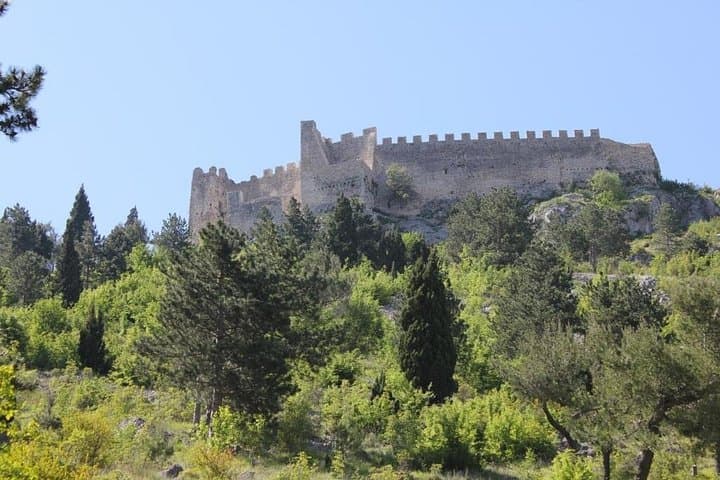
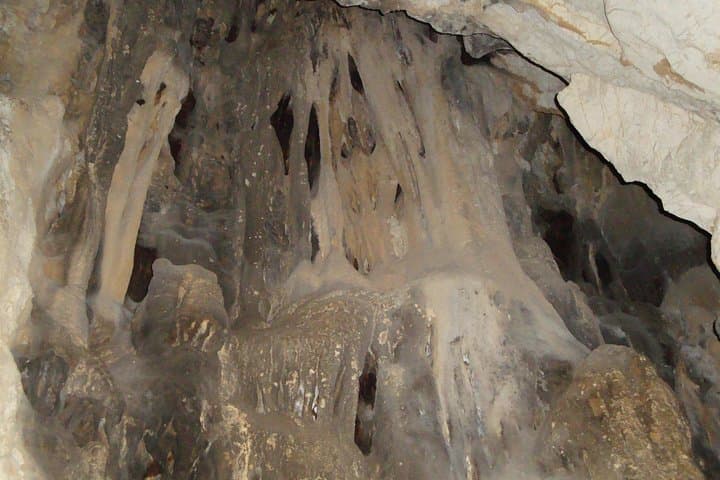
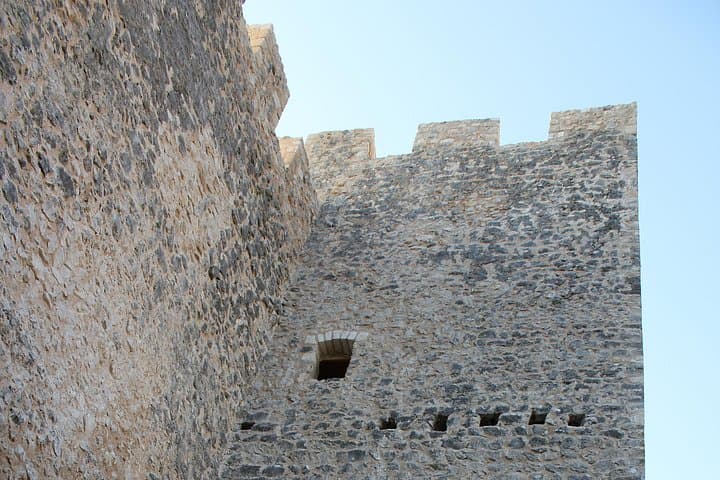
The trail rises gently from Blagaj village toward the ruined medieval fortress that once looked over Illyrian and later Bosnian rulers. The path traces layers of history: Roman castrum lines, Ottoman-era stonework, and the 15th‑century Dervish tekke perched beside the karst spring. Geologically, the route is carved from Mesozoic limestone; karst channels feed caverns and the clear, powerful outflow of the Buna.
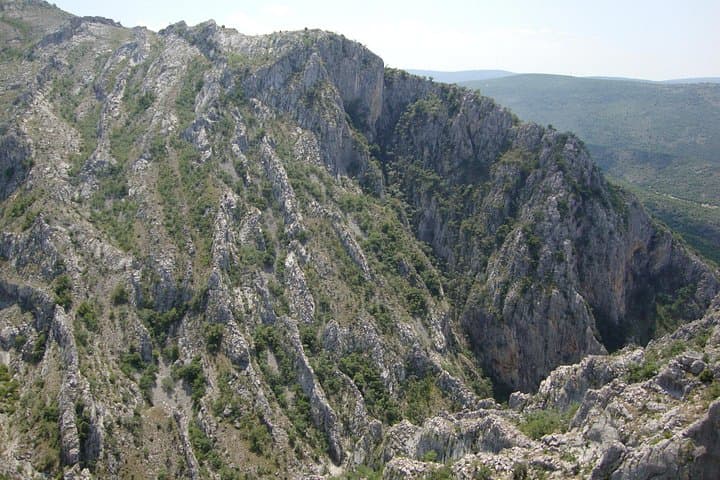
Culturally, the tekke remains a quiet place of Sufi prayer and local memory; guides from the village explain how the spring shaped settlement and agriculture here. The extension toward the canyon reveals steep wall cliffs, terraced olive groves, and the Sevrljica cave site with Paleolithic occupation evidence—small signs that people have long read this land for shelter.
Practically, this is an easy, mostly shaded 3–4 hour outing with short stone steps and compact dirt. Expect uneven surfaces near cliff edges and slippery rocks by the river; good footwear and steady footing matter more than technical gear. Midday is brightest at the spring; mornings and late afternoons bring cooler air and better light for photos. Bring water, a packed picnic for the riverbank, and modest clothing if you plan to enter the tekke. The guide-driven route can be shortened or extended to the canyon depending on fitness and interest, making it a flexible half‑day that pairs natural spectacle with concise local history.
The guided route is typically 3–4 hours and rated easy—short climbs and some stone steps but no technical scrambling.
Yes—guides can arrange entry; there's often a discounted ticket and modest dress and quiet behavior are requested.
Yes, the tour is described as very easy and suitable for families, though anyone with limited mobility should note uneven surfaces and steps.
Pack a light meal, water, a groundsheet or small blanket, and a bag for trash; picnic spots are riverside with limited facilities.
Euro Connecta DMC operates guided outdoor trips and adventures with an emphasis on safety, stewardship, and memorable experiences.
You step off the roadside into the cool spray of the Buna Spring, where water leaps from a limestone throat beneath a 200‑meter cliff and seems to dare you to follow it upstream.
You step off the roadside into the cool spray of the Buna Spring, where water leaps from a limestone throat beneath a 200‑meter cliff and seems to dare you to follow it upstream.
The trail rises gently from Blagaj village toward the ruined medieval fortress that once looked over Illyrian and later Bosnian rulers. The path traces layers of history: Roman castrum lines, Ottoman-era stonework, and the 15th‑century Dervish tekke perched beside the karst spring. Geologically, the route is carved from Mesozoic limestone; karst channels feed caverns and the clear, powerful outflow of the Buna.
Culturally, the tekke remains a quiet place of Sufi prayer and local memory; guides from the village explain how the spring shaped settlement and agriculture here. The extension toward the canyon reveals steep wall cliffs, terraced olive groves, and the Sevrljica cave site with Paleolithic occupation evidence—small signs that people have long read this land for shelter.
Practically, this is an easy, mostly shaded 3–4 hour outing with short stone steps and compact dirt. Expect uneven surfaces near cliff edges and slippery rocks by the river; good footwear and steady footing matter more than technical gear. Midday is brightest at the spring; mornings and late afternoons bring cooler air and better light for photos. Bring water, a packed picnic for the riverbank, and modest clothing if you plan to enter the tekke. The guide-driven route can be shortened or extended to the canyon depending on fitness and interest, making it a flexible half‑day that pairs natural spectacle with concise local history.