THE ADVENTURE COLLECTIVE® · Independent discovery and booking for outdoor travel

Head 30 km offshore from Blankenberge to the Thorntonbank wind farm on a 2.5-hour water-taxi cruise. Expect close turbine views, seabirds, and practical context from a pre-departure briefing at Brasserie Steiger 18.
Head 30 km offshore from Blankenberge to the Thorntonbank wind farm on a 2.5-hour water-taxi cruise. Expect close turbine views, seabirds, and practical context from a pre-departure briefing at Brasserie Steiger 18.
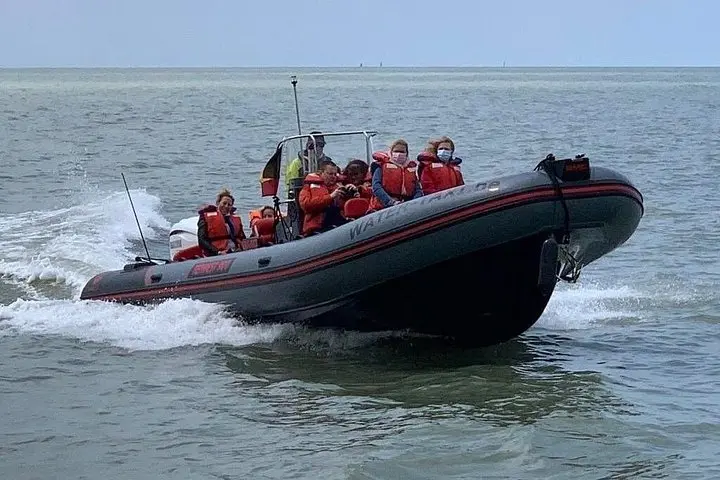
You step off the quay at Blankenberge as the harbor smells of salt and diesel; the water taxis hum, impatient to push you past the pier.
Verified experiences and guided adventures in the surrounding area.
Operated by Water-Taxi · Blankenberge, West Flanders
You step off the quay at Blankenberge as the harbor smells of salt and diesel; the water taxis hum, impatient to push you past the pier.
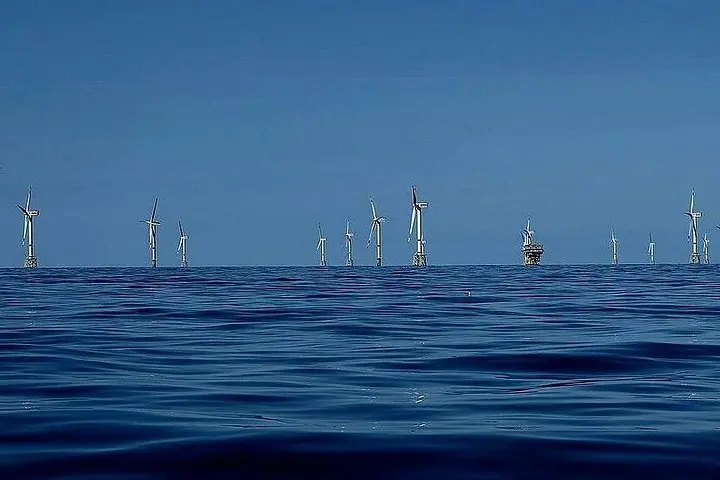
Within minutes the shore recedes and the North Sea takes the lead, wind tugging at jackets while the turbines of Thorntonbank grow from dots to looming machines—rows of white arms turning with a deliberate, mechanical patience that seems to push the horizon outward.
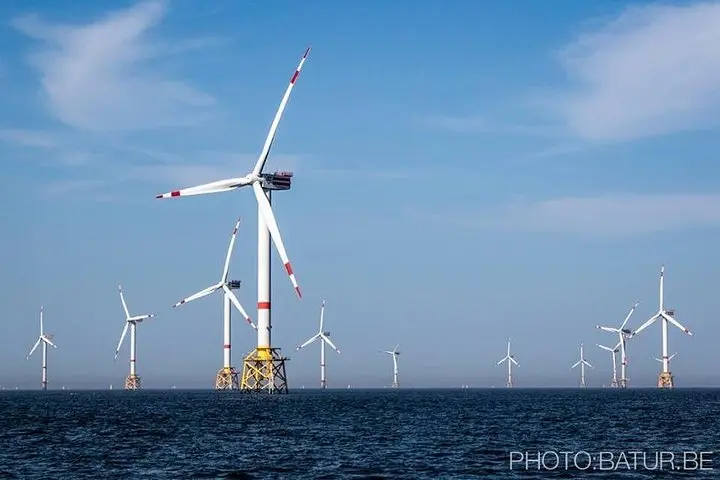
The Thorntonbank wind farm is part of Belgium’s offshore energy story: installed in the 2000s and expanded since, these platforms harvest steady North Sea winds to supply Flanders. Geologically, the route crosses a shallow continental shelf of sandbanks shaped by tides and storms; culturally, Blankenberge’s fishing and seaside-resort history still echoes in the cafés and pier architecture you leave behind.
An interactive briefing at Brasserie Steiger 18 begins 30 minutes before departure to explain turbine functions and the local marine environment—useful context before you head 30 km offshore on a roughly 150-minute round trip.
Practical notes: expect open-sea conditions—spray, steady wind, and swell. Dress in windproof layers and non-slip shoes; bring motion-sickness remedies if you’re sensitive. The operator supplies a certified skipper and bottled water, and trips run with small groups (max ~12). Photography rewards patience: close views of turbine foundations, passing seabirds, and occasional harbor porpoises.
This cruise is low-effort but high-perspective: it frames renewable energy as a visible landscape and turns the North Sea into an active exhibit—one you’ll feel as much as see.
The cruise travels roughly 30 km from Blankenberge to the Thorntonbank wind farm and back, a round trip of about 150 minutes.
Yes—operators rate it as easy and suitable for most fitness levels, but it’s not recommended for travelers with serious heart or spinal conditions or for pregnant travelers.
You’ll approach the wind farm to view turbines and foundations from the boat, but you won’t board any offshore platforms; the skipper follows safety distance protocols.
Trips may be cancelled for safety if weather is poor; the operator offers refunds if cancelled at least 24 hours before departure or for last-minute weather-related cancellations.
Water-Taxi operates guided outdoor trips and adventures with an emphasis on safety, stewardship, and memorable experiences.
You step off the quay at Blankenberge as the harbor smells of salt and diesel; the water taxis hum, impatient to push you past the pier.
You step off the quay at Blankenberge as the harbor smells of salt and diesel; the water taxis hum, impatient to push you past the pier.
Within minutes the shore recedes and the North Sea takes the lead, wind tugging at jackets while the turbines of Thorntonbank grow from dots to looming machines—rows of white arms turning with a deliberate, mechanical patience that seems to push the horizon outward.
The Thorntonbank wind farm is part of Belgium’s offshore energy story: installed in the 2000s and expanded since, these platforms harvest steady North Sea winds to supply Flanders. Geologically, the route crosses a shallow continental shelf of sandbanks shaped by tides and storms; culturally, Blankenberge’s fishing and seaside-resort history still echoes in the cafés and pier architecture you leave behind.
An interactive briefing at Brasserie Steiger 18 begins 30 minutes before departure to explain turbine functions and the local marine environment—useful context before you head 30 km offshore on a roughly 150-minute round trip.
Practical notes: expect open-sea conditions—spray, steady wind, and swell. Dress in windproof layers and non-slip shoes; bring motion-sickness remedies if you’re sensitive. The operator supplies a certified skipper and bottled water, and trips run with small groups (max ~12). Photography rewards patience: close views of turbine foundations, passing seabirds, and occasional harbor porpoises.
This cruise is low-effort but high-perspective: it frames renewable energy as a visible landscape and turns the North Sea into an active exhibit—one you’ll feel as much as see.