
Bled and Bohinj Lakes: Triglav National Park Day Trip via Pokljuka
See the best of Slovenia’s Alps in one sweep: Lake Bled’s island and wish bell, the high forests of the Pokljuka Plateau, and the wide calm of Lake Bohinj. This half-day circuit blends scenic drives, optional pletna boating, and short walks with rich cultural notes and practical ease.
An Adventure In Ljubljana.
See the best of Slovenia’s Alps in one sweep: Lake Bled’s island and wish bell, the high forests of the Pokljuka Plateau, and the wide calm of Lake Bohinj. This half-day circuit blends scenic drives, optional pletna boating, and short walks with rich cultural notes and practical ease.
Read the full experience
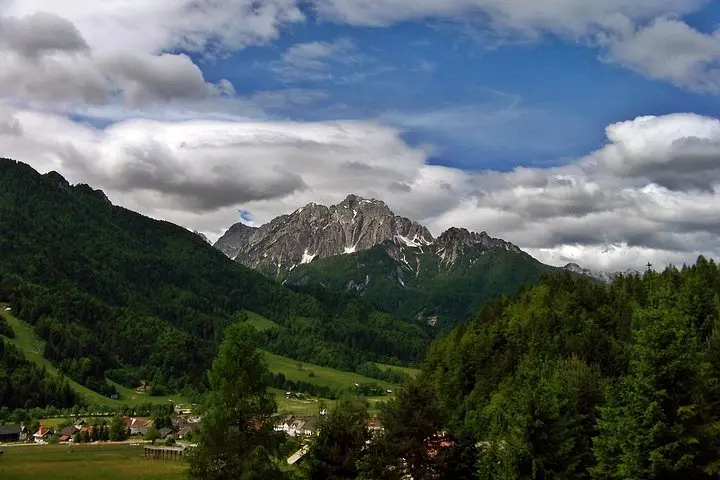
Morning breaks over Ljubljana and the road begins to climb, curling toward the Julian Alps as church spires give way to limestone peaks. The van slips into the cool of Triglav National Park, where Lake Bled appears with a flourish—emerald water pulling the eye toward its tiny island, Bled Castle riding the cliff above. Traditional pletna boats glide out with a steady rhythm, oars creaking as if the lake itself were setting the pace. On the island, 99 stone steps lead to the Church of the Mother of God; the wish bell waits at the top, daring visitors to test legend with a clear, ringing pull.
Morning breaks over Ljubljana and the road begins to climb, curling toward the Julian Alps as church spires give way to limestone peaks. The van slips into the cool of Triglav National Park, where Lake Bled appears with a flourish—emerald water pulling the eye toward its tiny island, Bled Castle riding the cliff above. Traditional pletna boats glide out with a steady rhythm, oars creaking as if the lake itself were setting the pace. On the island, 99 stone steps lead to the Church of the Mother of God; the wish bell waits at the top, daring visitors to test legend with a clear, ringing pull.
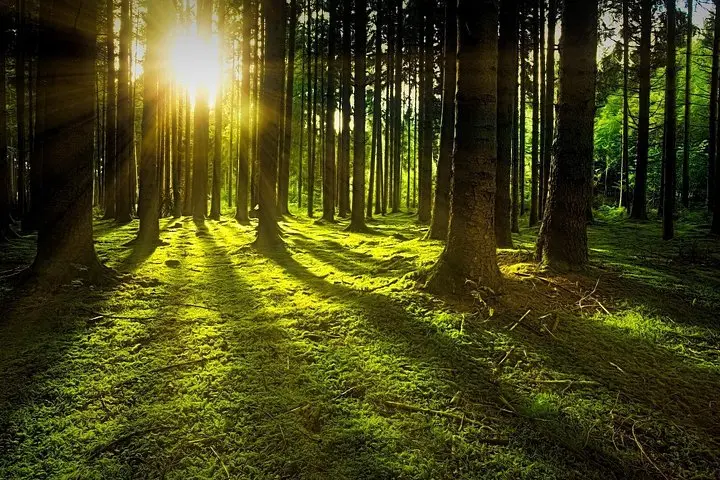
The route pushes higher to the Pokljuka Plateau, a broad, 1,100-meter shelf of spruce and beech where summer pastures open between dark forests. Shepherd huts squat under shingle roofs, and meadows still host cattle when the grass runs high. This is bear and capercaillie country—seen rarely, but felt in the quiet. Karst hollows, glacial backstory, and long migration routes pass through this green rooftop, a reminder that Triglav is both landscape and lifeway.
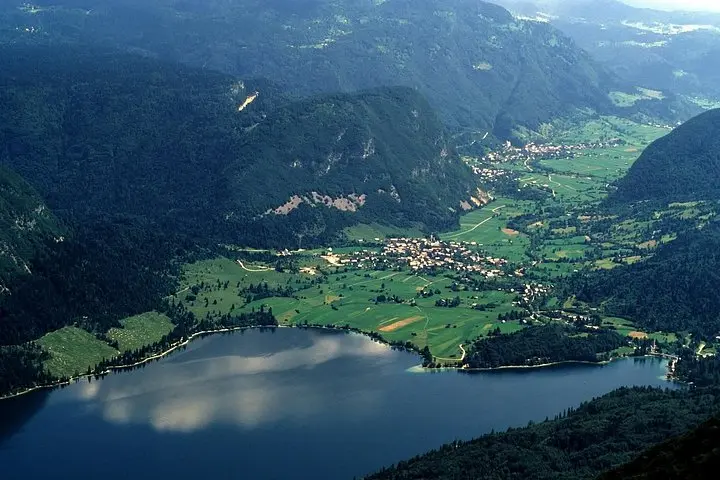
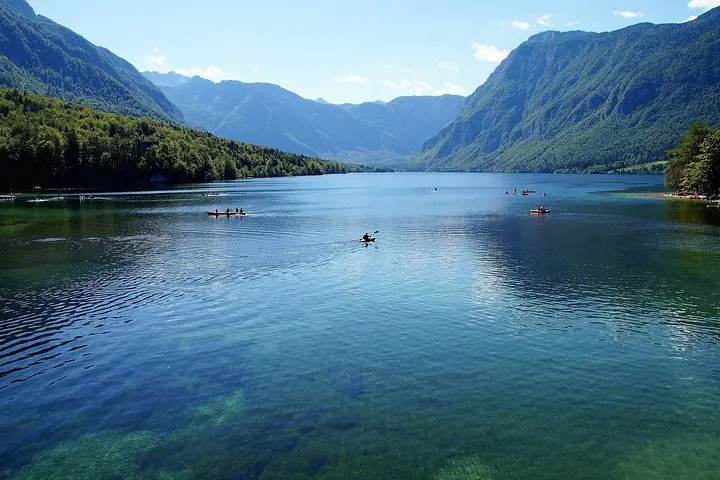
Down-valley, the drive eases toward Bohinj, Slovenia’s largest permanent lake. At Ribčev Laz, a stone bridge frames the water and the 13th-century Church of St. John the Baptist, its frescoes guarded by the clear surface like a secret. The shoreline invites unhurried walking and simple stillness. When the wind rakes the surface, the lake answers with shifting mirrors of Triglav’s south face.
The cultural threads here run deep. Pletna boats have ferried pilgrims and travelers since the late 16th century, rowed by a protected guild. In nearby Studor, double hayracks—toplarji—speak to farm life that adapted to short Alpine summers. The park itself, formalized in 1981 with roots in a 1924 reserve, now protects roughly 4% of Slovenia. Staying on marked paths, packing out waste, and keeping quiet around wildlife are more than courtesies—they’re how this experience endures.
Practically, this is a half-day outing with an easy tempo: short walks, optional boat ride, and those island steps if chosen. Weather shifts quickly at elevation; layers are smart any month. Bring euros for the optional pletna and small church fee, water for the drives, and shoes with grip for wet stone. Summer sees crowds at Bled mid-morning; spring and fall trade warmth for calmer shores and saturated color. Winter brings stark beauty and possible snow on Pokljuka, when the forest breathes steam and the lakes go quiet. However it’s taken, the circuit across Bled, Pokljuka, and Bohinj shows Triglav’s range in a single sweep—water pulling forward, forest easing the pace, and rock holding steady beneath it all.
Frequently asked questions
No. The traditional pletna ride to Bled Island is optional and paid locally (about €15 per person), as is the island church entry (about €6).
Walking is light to moderate: short lakeside strolls and, if you visit Bled Island, 99 stairs to the church. Most of the tour is by comfortable minivan.
Swimming is allowed in designated areas, but the water is cold year-round. Time for a dip depends on the day’s schedule—ask your guide.
Closed-toe walking shoes, breathable layers, and a light rain shell. In summer, add sun protection; in winter, bring a warm hat and gloves.
Yes. Facilities and cafés are available in Bled and Bohinj. Packing a small snack is smart to maximize time at the viewpoints.
Yes, it’s an easy-paced outing. Note that strollers are impractical on Bled Island stairs, and handrails are limited on some steps.
About This Experience
ljubljana.today operates guided outdoor trips and adventures with an emphasis on safety, stewardship, and memorable experiences.
Adventure tips
Recommended gear
- Comfortable walking shoes: Grippy soles help on wet dock planks, island steps, and uneven lakeshore paths.
- Lightweight waterproof shell: Spring and fall showers roll through quickly in the Alps; a packable shell keeps you dry.
- Reusable water bottle: Stay hydrated during the scenic drives and short walks without relying on single-use plastic.
- Euros in small bills: Useful for the optional pletna ride, church entry, and café stops along the route.
Photos of the experience
Related adventures & guides
Read the full experience
Morning breaks over Ljubljana and the road begins to climb, curling toward the Julian Alps as church spires give way to limestone peaks. The van slips into the cool of Triglav National Park, where Lake Bled appears with a flourish—emerald water pulling the eye toward its tiny island, Bled Castle riding the cliff above. Traditional pletna boats glide out with a steady rhythm, oars creaking as if the lake itself were setting the pace. On the island, 99 stone steps lead to the Church of the Mother of God; the wish bell waits at the top, daring visitors to test legend with a clear, ringing pull.
Morning breaks over Ljubljana and the road begins to climb, curling toward the Julian Alps as church spires give way to limestone peaks. The van slips into the cool of Triglav National Park, where Lake Bled appears with a flourish—emerald water pulling the eye toward its tiny island, Bled Castle riding the cliff above. Traditional pletna boats glide out with a steady rhythm, oars creaking as if the lake itself were setting the pace. On the island, 99 stone steps lead to the Church of the Mother of God; the wish bell waits at the top, daring visitors to test legend with a clear, ringing pull.
The route pushes higher to the Pokljuka Plateau, a broad, 1,100-meter shelf of spruce and beech where summer pastures open between dark forests. Shepherd huts squat under shingle roofs, and meadows still host cattle when the grass runs high. This is bear and capercaillie country—seen rarely, but felt in the quiet. Karst hollows, glacial backstory, and long migration routes pass through this green rooftop, a reminder that Triglav is both landscape and lifeway.
Down-valley, the drive eases toward Bohinj, Slovenia’s largest permanent lake. At Ribčev Laz, a stone bridge frames the water and the 13th-century Church of St. John the Baptist, its frescoes guarded by the clear surface like a secret. The shoreline invites unhurried walking and simple stillness. When the wind rakes the surface, the lake answers with shifting mirrors of Triglav’s south face.
The cultural threads here run deep. Pletna boats have ferried pilgrims and travelers since the late 16th century, rowed by a protected guild. In nearby Studor, double hayracks—toplarji—speak to farm life that adapted to short Alpine summers. The park itself, formalized in 1981 with roots in a 1924 reserve, now protects roughly 4% of Slovenia. Staying on marked paths, packing out waste, and keeping quiet around wildlife are more than courtesies—they’re how this experience endures.
Practically, this is a half-day outing with an easy tempo: short walks, optional boat ride, and those island steps if chosen. Weather shifts quickly at elevation; layers are smart any month. Bring euros for the optional pletna and small church fee, water for the drives, and shoes with grip for wet stone. Summer sees crowds at Bled mid-morning; spring and fall trade warmth for calmer shores and saturated color. Winter brings stark beauty and possible snow on Pokljuka, when the forest breathes steam and the lakes go quiet. However it’s taken, the circuit across Bled, Pokljuka, and Bohinj shows Triglav’s range in a single sweep—water pulling forward, forest easing the pace, and rock holding steady beneath it all.
Make a day of it nearby.
Verified experiences and guided adventures in the surrounding area.