THE ADVENTURE COLLECTIVE® · Independent discovery and booking for outdoor travel

Sail from Chantauvent into Blue Bay Marine Park for a guided coral-restoration snorkel with Eco-Sud, a chance to see endemic wildlife and learn how coral nurseries are rebuilt — then finish with a mindful island lunch.
Sail from Chantauvent into Blue Bay Marine Park for a guided coral-restoration snorkel with Eco-Sud, a chance to see endemic wildlife and learn how coral nurseries are rebuilt — then finish with a mindful island lunch.
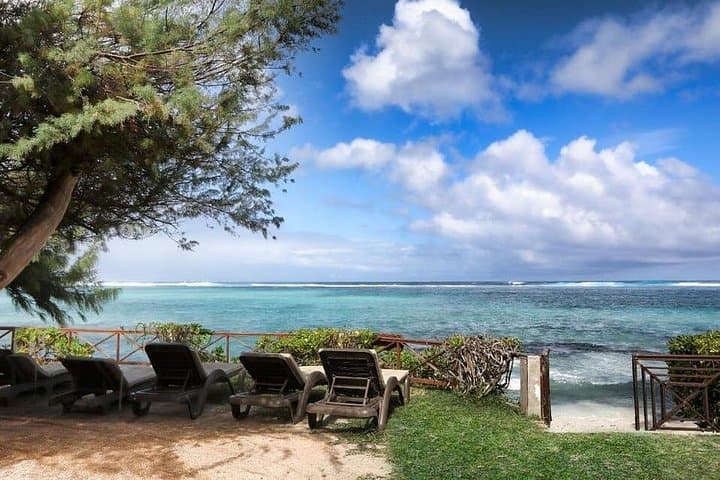
You step off the small pier at Chantauvent and the Indian Ocean takes the lead — a gentle, glassy highway of blues that seems to measure time by tide.
Verified experiences and guided adventures in the surrounding area.
Operated by The spot Mauritius · Mahebourg, Grand Port
You step off the small pier at Chantauvent and the Indian Ocean takes the lead — a gentle, glassy highway of blues that seems to measure time by tide.
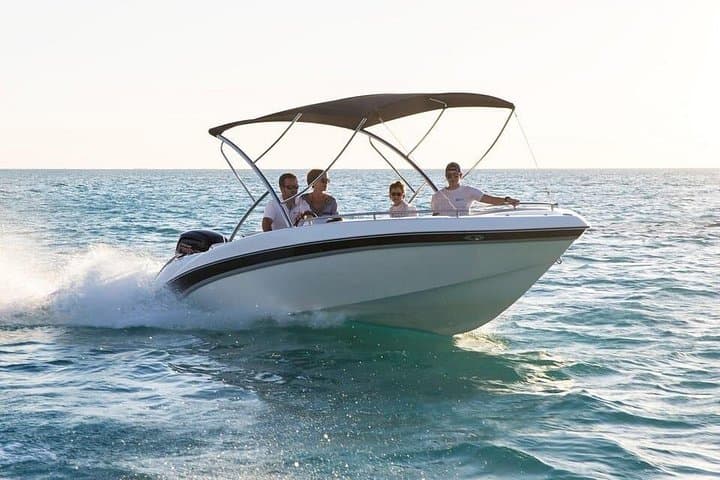
Your private marine guide lays out the plan: a short briefing on Sea Park rules, a primer on the coral nursery, then a calm sail toward the coral farm near l'Île aux Aigrettes. The boat slips across water transparent enough to read the reef beneath; surgeonfish and parrotfish weave through newly planted fragments as if checking on neighbors.
Blue Bay’s story is part natural history and part recent stewardship. Once a grazing and fishing coastline, it was designated a marine park to protect coral gardens and fisheries. The NGO Eco-Sud — central to this tour — runs the coral transects you’ll swim over: strips of monitored reef that record recovery and loss with clinical precision.
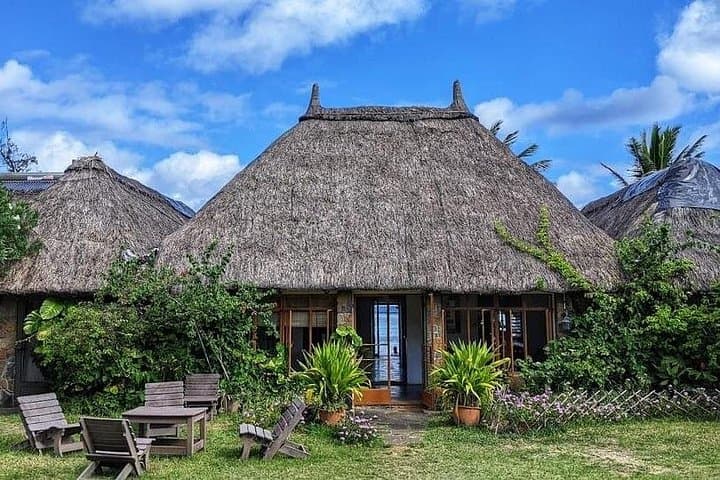
Geology here is quiet but decisive: an offshore shelf and shallow lagoons built by centuries of coral growth that flatten the swell and concentrate biodiversity. Culturally, the southeast coast carries a blend of Creole coastal life and the colonial-era port town of Mahebourg nearby; lunch back at Chantauvent reflects both — locally caught fish, citrus, and garden herbs, prepared with clear respect for supply chains.
In the water, coral fragments look like tiny forests; they fight current and light to grow. Your guide points out restoration markers and teaches a simple etiquette — fin control, no touching, and how to approach a fragile colony without becoming part of the problem. Above water, the boat ride becomes a wildlife survey: glimpses of the endemic giant tortoise on Île aux Aigrettes, pink pigeon wings, and the sharp silhouette of the Mauritius kestrel.
Practical guidance: arrive hydrated and sun-ready; the tour is three hours total with about two snorkeling sessions. Wetsuits are optional in warm months but a rashguard is a must for sun protection and gentle reef contact. Bring reef-safe sunscreen, a small waterproof camera, and follow guide instructions — the whole day is about seeing and leaving less trace.
This trip is not an adrenaline sprint; it’s a curated, low-impact encounter with a fragile ecosystem. Expect knowledgeable narration, measured time in water, and an à la carte lunch that closes the loop — food that remembers the reef that fed it.
If you go, listen closely to the transect update. Conservation here moves in small, measurable victories: a millimeter of coral growth, a return of a juvenile species, a snorkeler who learns to look but not touch. That slow work is the point — and the reward.
The experience is three hours total with roughly two snorkeling periods — typically about 60 minutes over the coral farm and another 30–45 minutes near the transect.
No — the tour is rated easy, but you should be comfortable in the water and able to clear your own mask and snorkel.
The meeting point is Chantauvent Guesthouse reception; hotel pickups are not offered, but public transport and taxis can access Mahebourg and Chantauvent.
You may spot giant tortoises on Île aux Aigrettes, the pink pigeon, Mauritius kestrel, and a variety of reef fish while snorkeling.
Yes — the tour includes bottled water and finishes with an à la carte lunch at Chantauvent using local, sustainable ingredients.
Full refunds are available if you cancel at least 24 hours before departure; tours may be canceled for bad weather or low bookings.
The spot Mauritius operates guided outdoor trips and adventures with an emphasis on safety, stewardship, and memorable experiences.

You step off the small pier at Chantauvent and the Indian Ocean takes the lead — a gentle, glassy highway of blues that seems to measure time by tide.
You step off the small pier at Chantauvent and the Indian Ocean takes the lead — a gentle, glassy highway of blues that seems to measure time by tide.
Your private marine guide lays out the plan: a short briefing on Sea Park rules, a primer on the coral nursery, then a calm sail toward the coral farm near l'Île aux Aigrettes. The boat slips across water transparent enough to read the reef beneath; surgeonfish and parrotfish weave through newly planted fragments as if checking on neighbors.
Blue Bay’s story is part natural history and part recent stewardship. Once a grazing and fishing coastline, it was designated a marine park to protect coral gardens and fisheries. The NGO Eco-Sud — central to this tour — runs the coral transects you’ll swim over: strips of monitored reef that record recovery and loss with clinical precision.
Geology here is quiet but decisive: an offshore shelf and shallow lagoons built by centuries of coral growth that flatten the swell and concentrate biodiversity. Culturally, the southeast coast carries a blend of Creole coastal life and the colonial-era port town of Mahebourg nearby; lunch back at Chantauvent reflects both — locally caught fish, citrus, and garden herbs, prepared with clear respect for supply chains.
In the water, coral fragments look like tiny forests; they fight current and light to grow. Your guide points out restoration markers and teaches a simple etiquette — fin control, no touching, and how to approach a fragile colony without becoming part of the problem. Above water, the boat ride becomes a wildlife survey: glimpses of the endemic giant tortoise on Île aux Aigrettes, pink pigeon wings, and the sharp silhouette of the Mauritius kestrel.
Practical guidance: arrive hydrated and sun-ready; the tour is three hours total with about two snorkeling sessions. Wetsuits are optional in warm months but a rashguard is a must for sun protection and gentle reef contact. Bring reef-safe sunscreen, a small waterproof camera, and follow guide instructions — the whole day is about seeing and leaving less trace.
This trip is not an adrenaline sprint; it’s a curated, low-impact encounter with a fragile ecosystem. Expect knowledgeable narration, measured time in water, and an à la carte lunch that closes the loop — food that remembers the reef that fed it.
If you go, listen closely to the transect update. Conservation here moves in small, measurable victories: a millimeter of coral growth, a return of a juvenile species, a snorkeler who learns to look but not touch. That slow work is the point — and the reward.