THE ADVENTURE COLLECTIVE® · Independent discovery and booking for outdoor travel

In three hours this boat tour threads Kotor’s harbour, Perast’s tiny islets and the jewel-like Blue Cave of Boka Bay—snorkeling gear and local narration included. Perfect for travelers who want a compact, sensory introduction to Montenegro’s coastal geology and history.
In three hours this boat tour threads Kotor’s harbour, Perast’s tiny islets and the jewel-like Blue Cave of Boka Bay—snorkeling gear and local narration included. Perfect for travelers who want a compact, sensory introduction to Montenegro’s coastal geology and history.
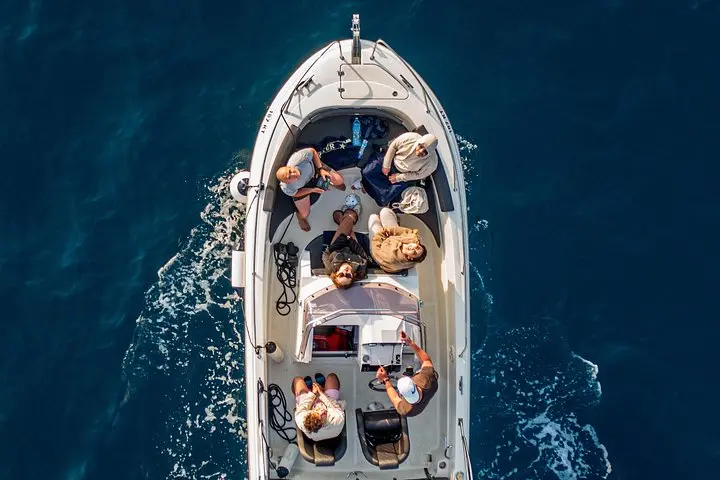
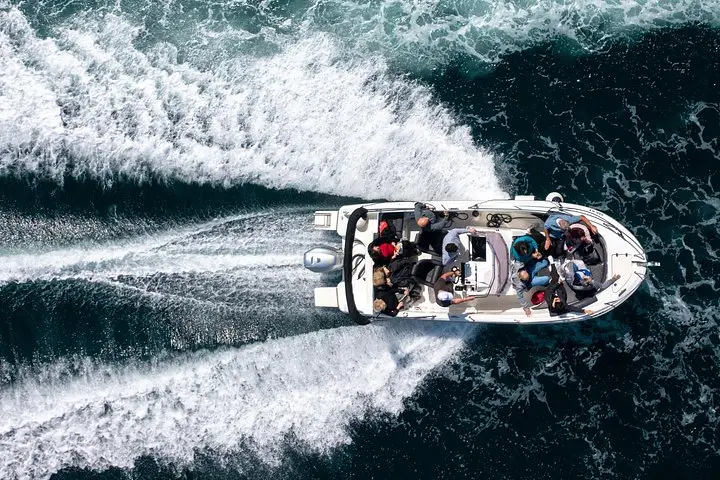
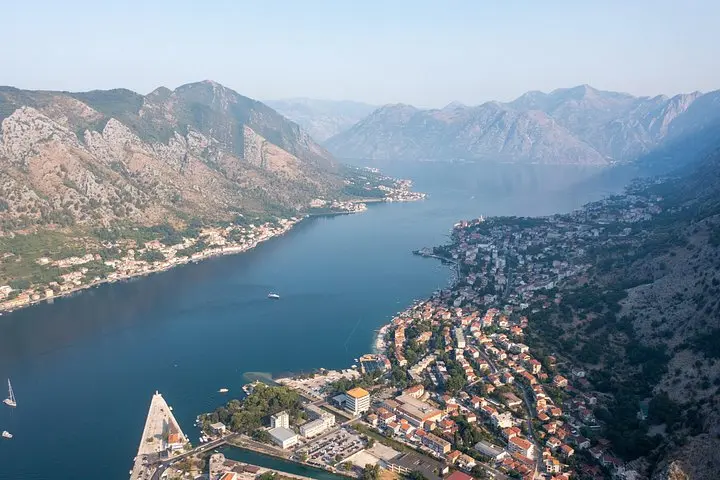
The motor yawns and pulls away from Kotor’s finger of quay, the town’s stone houses shrinking behind a scattering of gulls. Within minutes, the city’s defensive walls and rust-red roofs slip under the shadow of limestone cliffs and the bay opens like a dark mirror. The skipper—usually a local who knows every inlet—navigates a channel of glassy water, and the first narrative arrives: Perast’s twin islets, the pancake-flat man-made shrine of Our Lady of the Rocks and the old monastery that refuses to be anonymous.
Verified experiences and guided adventures in the surrounding area.
Operated by Tide and Wave · Kotor, Kotor Municipality
The motor yawns and pulls away from Kotor’s finger of quay, the town’s stone houses shrinking behind a scattering of gulls. Within minutes, the city’s defensive walls and rust-red roofs slip under the shadow of limestone cliffs and the bay opens like a dark mirror. The skipper—usually a local who knows every inlet—navigates a channel of glassy water, and the first narrative arrives: Perast’s twin islets, the pancake-flat man-made shrine of Our Lady of the Rocks and the old monastery that refuses to be anonymous.
Boka Kotorska reads like history carved into rock: Venetian palaces, Austro-Hungarian fortifications and Ottoman-era sea lanes all left their marks. Geologically, the bay is a drowned river canyon—its steep walls rising from deep water—so cliffs and submarine tunnels replace beaches here, and the light plays differently, reflecting off limestone into the green-blue you’ll memorize before breakfast ends.
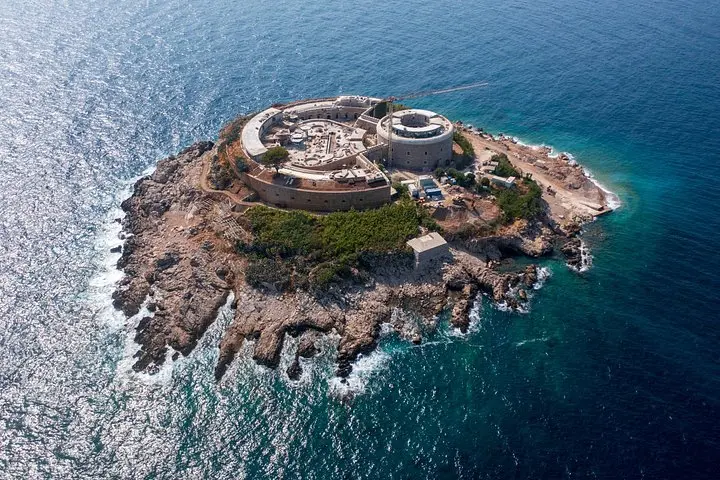
The tour strings these elements together: a pass by Mamula—once a 19th-century Austro-Hungarian fortress turned wartime prison and, more recently, the subject of redevelopment conversations—then a stop at Perast for a short landing on the artificial islet and a chance to step into centuries of local devotion and maritime lore.
The highlight is the Blue Cave. A narrow mouth opens into a bowl of crystalline water; when the sun is right, the grotto glows with an electric blue that practically pulls you in. Guests get a 15–20 minute swim and snorkeling window; equipment is provided, and the skipper will time the drift to make the most of the light.
Practicalities matter as much as scenery. Boats leave from Kotor’s town park; the operator asks participants to be there 15 minutes early to dodge parking snarls. The trip lasts three hours and is physically easy—suitable for most ages and mobility levels, with wheelchair access noted for boarding. Snorkeling gear and bottled water are included, but bring reef-safe sunscreen, a towel and a wind layer for the crossing. If you’re prone to seasickness, take precautions: the bay is usually calm but open passages can roll.
Timing is everything—midday amplifies the Blue Cave’s color, while late afternoon softens the cliffs for photos. Respect local regulations: avoid anchoring on seagrass meadows and follow the skipper’s guidance when entering swim spots.
Ultimately, this is a concentrated portrait of Boka Bay: quick, sensory, and full of context. In three hours you’ll see the bay’s architecture, geology and a vivid sample of Montenegro’s coastal culture—close enough to touch, far enough to feel like a proper escape.
Meet at Kotor’s town park on the waterfront where the local Tide and Wave signs are posted; aim to arrive at least 15 minutes early.
Yes—snorkeling masks and fins are included in the tour price; you can use your own gear if you prefer.
Yes; the trip is family-friendly but infants must sit on a lap during the excursion and parents should supervise swim stops.
No—you can opt to stay on the boat; however, the swim is the highlight and encouraged when conditions allow.
Most vessels are small and may not have full restrooms—plan accordingly before boarding and ask the operator for specifics if this is a concern.
Full refund if canceled at least 24 hours before departure; the operator will cancel for bad weather or insufficient travelers with a refund.
Tide and Wave operates guided outdoor trips and adventures with an emphasis on safety, stewardship, and memorable experiences.
The motor yawns and pulls away from Kotor’s finger of quay, the town’s stone houses shrinking behind a scattering of gulls. Within minutes, the city’s defensive walls and rust-red roofs slip under the shadow of limestone cliffs and the bay opens like a dark mirror. The skipper—usually a local who knows every inlet—navigates a channel of glassy water, and the first narrative arrives: Perast’s twin islets, the pancake-flat man-made shrine of Our Lady of the Rocks and the old monastery that refuses to be anonymous.
The motor yawns and pulls away from Kotor’s finger of quay, the town’s stone houses shrinking behind a scattering of gulls. Within minutes, the city’s defensive walls and rust-red roofs slip under the shadow of limestone cliffs and the bay opens like a dark mirror. The skipper—usually a local who knows every inlet—navigates a channel of glassy water, and the first narrative arrives: Perast’s twin islets, the pancake-flat man-made shrine of Our Lady of the Rocks and the old monastery that refuses to be anonymous.
Boka Kotorska reads like history carved into rock: Venetian palaces, Austro-Hungarian fortifications and Ottoman-era sea lanes all left their marks. Geologically, the bay is a drowned river canyon—its steep walls rising from deep water—so cliffs and submarine tunnels replace beaches here, and the light plays differently, reflecting off limestone into the green-blue you’ll memorize before breakfast ends.
The tour strings these elements together: a pass by Mamula—once a 19th-century Austro-Hungarian fortress turned wartime prison and, more recently, the subject of redevelopment conversations—then a stop at Perast for a short landing on the artificial islet and a chance to step into centuries of local devotion and maritime lore.
The highlight is the Blue Cave. A narrow mouth opens into a bowl of crystalline water; when the sun is right, the grotto glows with an electric blue that practically pulls you in. Guests get a 15–20 minute swim and snorkeling window; equipment is provided, and the skipper will time the drift to make the most of the light.
Practicalities matter as much as scenery. Boats leave from Kotor’s town park; the operator asks participants to be there 15 minutes early to dodge parking snarls. The trip lasts three hours and is physically easy—suitable for most ages and mobility levels, with wheelchair access noted for boarding. Snorkeling gear and bottled water are included, but bring reef-safe sunscreen, a towel and a wind layer for the crossing. If you’re prone to seasickness, take precautions: the bay is usually calm but open passages can roll.
Timing is everything—midday amplifies the Blue Cave’s color, while late afternoon softens the cliffs for photos. Respect local regulations: avoid anchoring on seagrass meadows and follow the skipper’s guidance when entering swim spots.
Ultimately, this is a concentrated portrait of Boka Bay: quick, sensory, and full of context. In three hours you’ll see the bay’s architecture, geology and a vivid sample of Montenegro’s coastal culture—close enough to touch, far enough to feel like a proper escape.