THE ADVENTURE COLLECTIVE® · Independent discovery and booking for outdoor travel
Step down to the black lava ledges at Maeda Cape and watch the sea answer with an otherworldly blue. This private introductory snorkel and dive tour guides first-timers into Okinawa’s famous underwater cave with full gear, GoPro photos, and family-friendly pacing.
Step down to the black lava ledges at Maeda Cape and watch the sea answer with an otherworldly blue. This private introductory snorkel and dive tour guides first-timers into Okinawa’s famous underwater cave with full gear, GoPro photos, and family-friendly pacing.
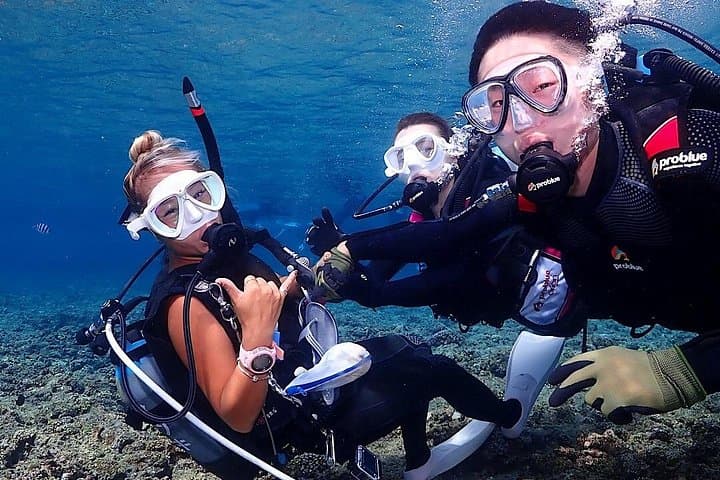
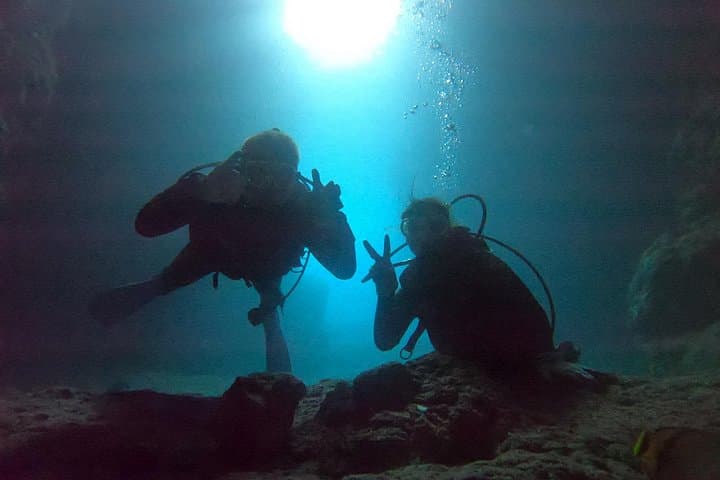
You descend rough concrete steps toward a stretch of black lava rock and a rim of surf that pushes and sighs against the shore. The water below looks ordinary until sunlight finds a chink in the reef and the sea answers: a vivid, electric blue blooms inside the mouth of a small cavern, as though the ocean itself is holding a lantern. In front of you, instructors fit masks and steady fins, voices calm. They point, and the cave’s light leaches up through the water, coaxing you forward.
Verified experiences and guided adventures in the surrounding area.
You descend rough concrete steps toward a stretch of black lava rock and a rim of surf that pushes and sighs against the shore. The water below looks ordinary until sunlight finds a chink in the reef and the sea answers: a vivid, electric blue blooms inside the mouth of a small cavern, as though the ocean itself is holding a lantern. In front of you, instructors fit masks and steady fins, voices calm. They point, and the cave’s light leaches up through the water, coaxing you forward.
The Blue Cave at Maeda Cape (Maeda Misaki) is less a cavern than a window—an underwater gorge where refracted sunlight turns seawater into something almost luminous. The cliffs around Maeda are uplifted coral limestone, carved by waves over thousands of years into ledges and swim-throughs. The cave’s famous glow is geological geometry meeting Okinawa’s high sun: sunlight enters from a submerged opening, filters through the water, and returns as that unforgettable blue.
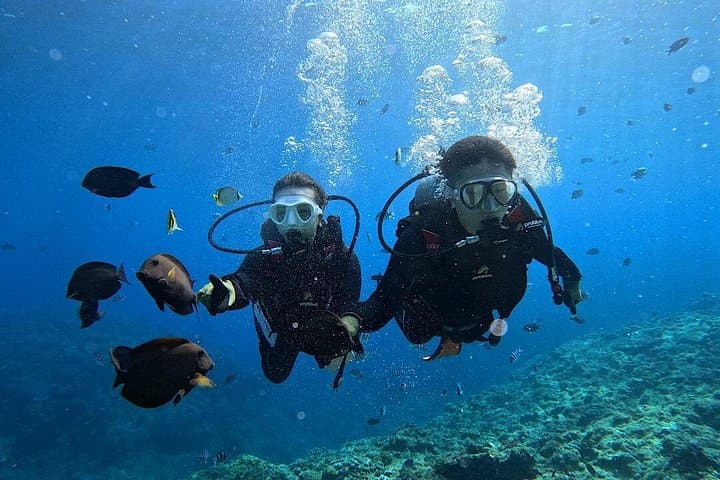
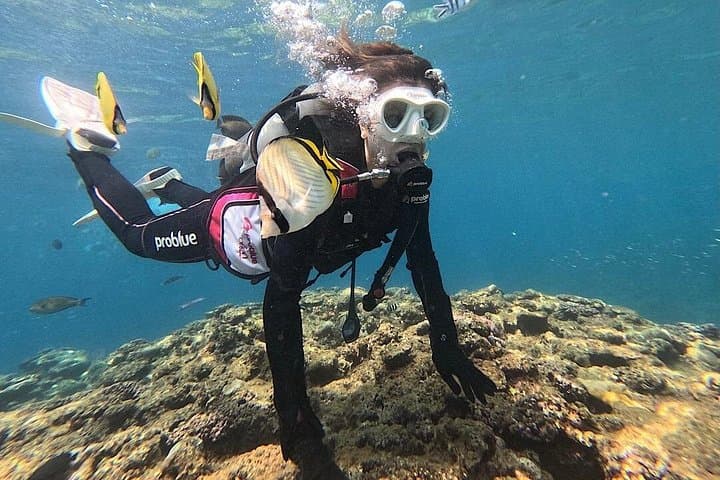
This is Ryukyu country: the coastline still supports small-scale fishing communities and roadside stands selling sata-andagi (sweet buns) and bitter melon. The ocean here feeds more than tourists; it’s central to local life, and guides emphasize respect for reef and custom. If conditions spike—Typhoon swells or strong northeasterlies—the operator will move the group to a nearby sheltered beach, usually Maeda Beach, where shallow reefs still offer colorful tangs and parrotfish.
Practicalities matter more than romance here. The tour runs about two hours and is built for first-timers: a safety briefing, equipment fitting (wetsuits provided), practice in calm water, then an escorted swim into the cave. Expect moderate physical effort—snorkeling and shallow diving require basic comfort in the water and an ability to follow a guide. The operator provides GoPro photo shoots and all gear; bring a swimsuit, a towel, and a small waterproof bag for your phone before handing it off for photos.
Timing is key: mid-morning to midday favors the clearest blue inside the cave, but guides will choose the moment based on tides and swell. Wear reef-safe sunscreen and avoid touching coral; gloves are not necessary but hands belong to you, not the reef. For families, the private-group format keeps pace flexible, which helps when young children are along. If you have cardiovascular, ear, or pregnancy concerns, this experience has firm restrictions—read the medical guidance closely.
When you surface, the guides hand you a camera card and a smile. The memory is less a postcard and more a small, bright proof that the ocean can still surprise: a chamber of light that demands nothing of you except to move slowly and look closely.
No—this introductory tour is designed for beginners and includes shallow guided dives and snorkeling; certified divers can still enjoy the site.
Families are welcome, but check the operator’s age or physical restrictions at booking; children must be accompanied and comfortable in water.
The operator may move the tour to a nearby sheltered beach such as Maeda Beach; cancellations for safety are at the guide’s discretion and may not be refunded if location changes per company policy.
Yes—GoPro photo shoots are included; guides will capture underwater images and provide them after the tour.
Personal masks or snorkels are usually allowed, but the tour provides full gear and wetsuits; ask the operator ahead if you plan to use your own equipment.
Total tour time is around two hours, with roughly 30–60 minutes of guided water time depending on conditions and group pace.
You descend rough concrete steps toward a stretch of black lava rock and a rim of surf that pushes and sighs against the shore. The water below looks ordinary until sunlight finds a chink in the reef and the sea answers: a vivid, electric blue blooms inside the mouth of a small cavern, as though the ocean itself is holding a lantern. In front of you, instructors fit masks and steady fins, voices calm. They point, and the cave’s light leaches up through the water, coaxing you forward.
You descend rough concrete steps toward a stretch of black lava rock and a rim of surf that pushes and sighs against the shore. The water below looks ordinary until sunlight finds a chink in the reef and the sea answers: a vivid, electric blue blooms inside the mouth of a small cavern, as though the ocean itself is holding a lantern. In front of you, instructors fit masks and steady fins, voices calm. They point, and the cave’s light leaches up through the water, coaxing you forward.
The Blue Cave at Maeda Cape (Maeda Misaki) is less a cavern than a window—an underwater gorge where refracted sunlight turns seawater into something almost luminous. The cliffs around Maeda are uplifted coral limestone, carved by waves over thousands of years into ledges and swim-throughs. The cave’s famous glow is geological geometry meeting Okinawa’s high sun: sunlight enters from a submerged opening, filters through the water, and returns as that unforgettable blue.
This is Ryukyu country: the coastline still supports small-scale fishing communities and roadside stands selling sata-andagi (sweet buns) and bitter melon. The ocean here feeds more than tourists; it’s central to local life, and guides emphasize respect for reef and custom. If conditions spike—Typhoon swells or strong northeasterlies—the operator will move the group to a nearby sheltered beach, usually Maeda Beach, where shallow reefs still offer colorful tangs and parrotfish.
Practicalities matter more than romance here. The tour runs about two hours and is built for first-timers: a safety briefing, equipment fitting (wetsuits provided), practice in calm water, then an escorted swim into the cave. Expect moderate physical effort—snorkeling and shallow diving require basic comfort in the water and an ability to follow a guide. The operator provides GoPro photo shoots and all gear; bring a swimsuit, a towel, and a small waterproof bag for your phone before handing it off for photos.
Timing is key: mid-morning to midday favors the clearest blue inside the cave, but guides will choose the moment based on tides and swell. Wear reef-safe sunscreen and avoid touching coral; gloves are not necessary but hands belong to you, not the reef. For families, the private-group format keeps pace flexible, which helps when young children are along. If you have cardiovascular, ear, or pregnancy concerns, this experience has firm restrictions—read the medical guidance closely.
When you surface, the guides hand you a camera card and a smile. The memory is less a postcard and more a small, bright proof that the ocean can still surprise: a chamber of light that demands nothing of you except to move slowly and look closely.
