THE ADVENTURE COLLECTIVE® · Independent discovery and booking for outdoor travel

A quick boat hop from Onna delivers one of Okinawa’s most famous spectacles: the Blue Cave. This easy, family-friendly snorkel trip offers direct boat entry, guided feeding of tropical fish, and photos delivered to your phone.
A quick boat hop from Onna delivers one of Okinawa’s most famous spectacles: the Blue Cave. This easy, family-friendly snorkel trip offers direct boat entry, guided feeding of tropical fish, and photos delivered to your phone.
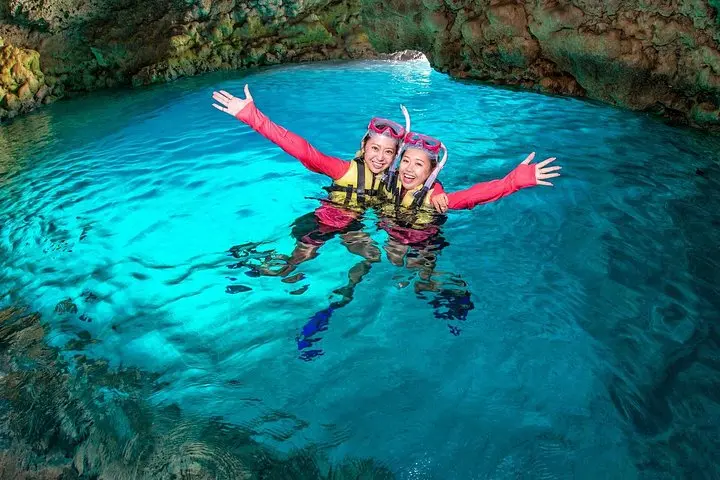
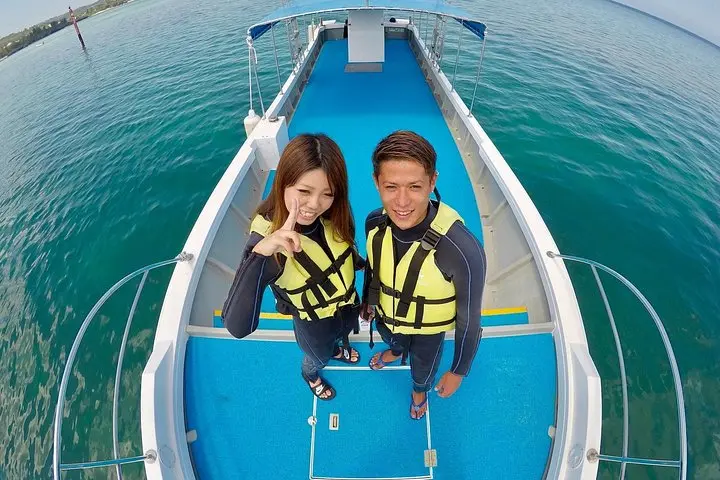
The boat pushes away from the harbor with a gentle slap of wake against plastic hull—within minutes the coastline of Onna falls into a low green line and the sea opens into a hard, honest blue. Guides check straps, hand out masks and life jackets, and the engine settles into a steady hum. You step off the ladder and float: below, sunlight slices through the surface and the cave answers in a luminous, impossible blue.
Verified experiences and guided adventures in the surrounding area.
Operated by サマーリゾート沖縄 · Onna, Okinawa Prefecture
The boat pushes away from the harbor with a gentle slap of wake against plastic hull—within minutes the coastline of Onna falls into a low green line and the sea opens into a hard, honest blue. Guides check straps, hand out masks and life jackets, and the engine settles into a steady hum. You step off the ladder and float: below, sunlight slices through the surface and the cave answers in a luminous, impossible blue.
The Blue Cave near Cape Maeda is not a new discovery—fishermen and local divers have long known of the cavern where refracted light turns seawater to sapphire—but it rose to island-wide fame in the past two decades as snorkel tours made the site reliably reachable by small boats. Geologically, the feature is carved from Ryukyu limestone; soft layers and wave action have hollowed a cavern whose entrance captures afternoon light and refracts it into that celebrated glow.
Culturally, the waters off Onna carry Okinawa’s blended past—Ryukyuan fishing traditions, wartime histories, and a modern tourism economy that leans on careful access. Guides from Summer Resort Okinawa emphasize small groups (their shared tours limit numbers), life jackets for every guest, and measured approaches to the cave; annual visit rates change with weather and sea state, and boats raise the odds of entry compared with beach departures.
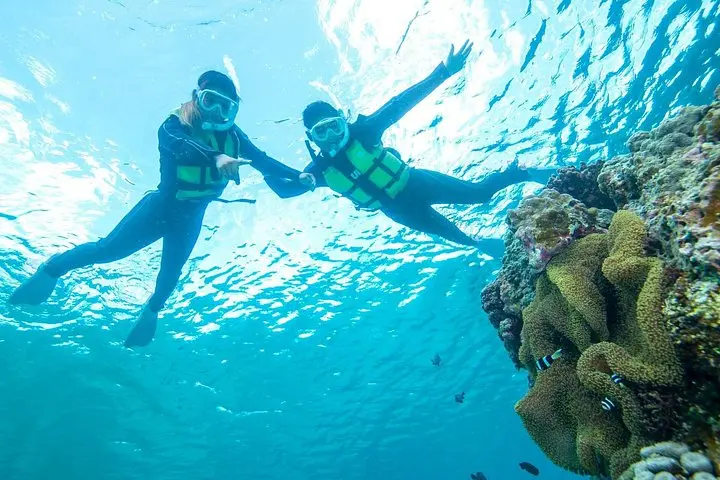
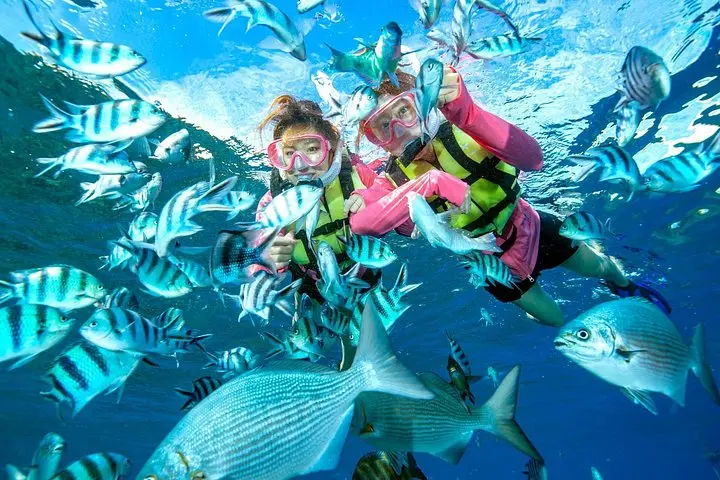
Practically, the itinerary is compact: a short meet-up at the shop, a 10–15 minute run to the Blue Cave area, roughly 40 minutes of in-water snorkeling, and time to feed tropical fish that flock to the boat. It’s intentionally accessible—participants step directly into the water from the boat, which makes the experience suitable for children and anyone who prefers not to handle a shore entry. Guides photograph the session and transfer images to smartphones after the tour, so you leave with both memories and files.
Plan for morning seas when the cave is easiest to access; winds and swells are the variables that determine if guides can float you through the cave or must choose a nearby snorkel point. Bring reef-safe sunscreen, a rash guard, and water shoes; even though life jackets are required, being comfortable in the water matters. Travelers with cardiovascular issues, pregnancy, or certain medical conditions should consult the provider—some conditions require a doctor’s permission.
Timing and timing buffers matter: arrive early for briefings and equipment fitting, and expect the company to cancel if sea conditions turn unsafe. For photographers, the best results come with soft, angled light—late morning often works—and underwater housings capture the saturated blues. At its best, this is an intimate, nontechnical way to meet Okinawa’s reef life and feel the sea push you toward one of its most famous pockets of color.
Boat runs from the meeting port take about 5–15 minutes depending on conditions; the whole activity is scheduled around 2.5 hours.
Yes—boat entry and mandatory life jackets make it family-friendly, but children must be accompanied by a guardian and non-swimmers should remain within guided zones.
Not guaranteed—the operator reports higher cave-entry probability from boats (about 70%), but the guide may choose a safer nearby snorkel site if sea conditions are rough.
Yes—guides take photos during the tour and provide data transferred to your smartphone after the activity.
Tours cancel for unsafe sea conditions or typhoons; cancel at least 24 hours before departure for full refund otherwise specific policies apply.
Yes—shops typically provide shower and changing facilities, but bring a towel and dry clothes for the return trip.
サマーリゾート沖縄 operates guided outdoor trips and adventures with an emphasis on safety, stewardship, and memorable experiences.
The boat pushes away from the harbor with a gentle slap of wake against plastic hull—within minutes the coastline of Onna falls into a low green line and the sea opens into a hard, honest blue. Guides check straps, hand out masks and life jackets, and the engine settles into a steady hum. You step off the ladder and float: below, sunlight slices through the surface and the cave answers in a luminous, impossible blue.
The boat pushes away from the harbor with a gentle slap of wake against plastic hull—within minutes the coastline of Onna falls into a low green line and the sea opens into a hard, honest blue. Guides check straps, hand out masks and life jackets, and the engine settles into a steady hum. You step off the ladder and float: below, sunlight slices through the surface and the cave answers in a luminous, impossible blue.
The Blue Cave near Cape Maeda is not a new discovery—fishermen and local divers have long known of the cavern where refracted light turns seawater to sapphire—but it rose to island-wide fame in the past two decades as snorkel tours made the site reliably reachable by small boats. Geologically, the feature is carved from Ryukyu limestone; soft layers and wave action have hollowed a cavern whose entrance captures afternoon light and refracts it into that celebrated glow.
Culturally, the waters off Onna carry Okinawa’s blended past—Ryukyuan fishing traditions, wartime histories, and a modern tourism economy that leans on careful access. Guides from Summer Resort Okinawa emphasize small groups (their shared tours limit numbers), life jackets for every guest, and measured approaches to the cave; annual visit rates change with weather and sea state, and boats raise the odds of entry compared with beach departures.
Practically, the itinerary is compact: a short meet-up at the shop, a 10–15 minute run to the Blue Cave area, roughly 40 minutes of in-water snorkeling, and time to feed tropical fish that flock to the boat. It’s intentionally accessible—participants step directly into the water from the boat, which makes the experience suitable for children and anyone who prefers not to handle a shore entry. Guides photograph the session and transfer images to smartphones after the tour, so you leave with both memories and files.
Plan for morning seas when the cave is easiest to access; winds and swells are the variables that determine if guides can float you through the cave or must choose a nearby snorkel point. Bring reef-safe sunscreen, a rash guard, and water shoes; even though life jackets are required, being comfortable in the water matters. Travelers with cardiovascular issues, pregnancy, or certain medical conditions should consult the provider—some conditions require a doctor’s permission.
Timing and timing buffers matter: arrive early for briefings and equipment fitting, and expect the company to cancel if sea conditions turn unsafe. For photographers, the best results come with soft, angled light—late morning often works—and underwater housings capture the saturated blues. At its best, this is an intimate, nontechnical way to meet Okinawa’s reef life and feel the sea push you toward one of its most famous pockets of color.