THE ADVENTURE COLLECTIVE® · Independent discovery and booking for outdoor travel

Explore Jodhpur on foot with a local guide: a compact, sensory walk through blue lanes, stepwells, markets and lakes. Perfect for history lovers and food-curious travelers, this 2–3 hour route pairs storytelling with local snacks and photo stops.
Explore Jodhpur on foot with a local guide: a compact, sensory walk through blue lanes, stepwells, markets and lakes. Perfect for history lovers and food-curious travelers, this 2–3 hour route pairs storytelling with local snacks and photo stops.
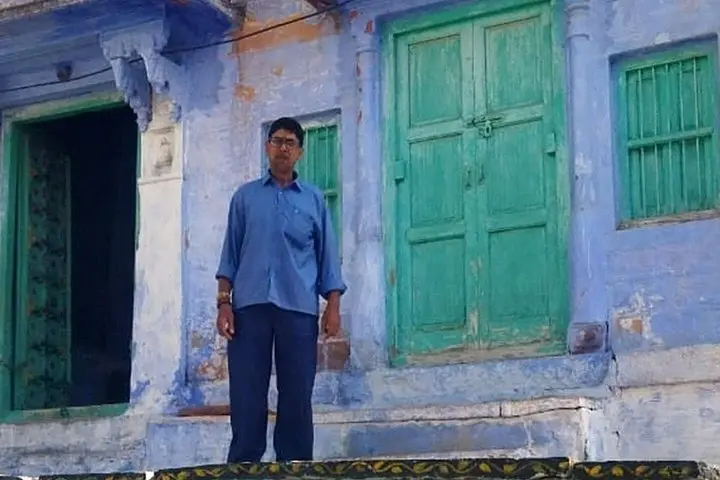
Morning light hits Jodhpur’s compact lanes like a spotlight, turning rows of blue-painted houses into clear signposts through history. Walking this route, the city feels close — alleyways whisper, the sun dares you forward, and spice-scented stalls punctuate every turn.
Verified experiences and guided adventures in the surrounding area.
Operated by Jodhpur Bluecity Walk Tour · Jodhpur, Rajasthan
Morning light hits Jodhpur’s compact lanes like a spotlight, turning rows of blue-painted houses into clear signposts through history. Walking this route, the city feels close — alleyways whisper, the sun dares you forward, and spice-scented stalls punctuate every turn.
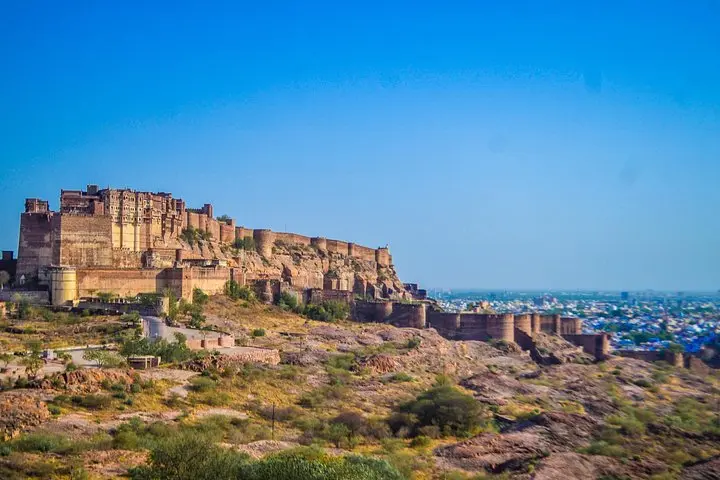
The walk threads together civic and royal history: Mehrangarh Fort’s sandstone walls (foundation laid in 1459) loom above neighborhoods once reserved for courtiers and Brahmins. The city’s geology — thick layers of red and rose sandstone quarried from nearby ridgelines — gives its palaces and stepwells their carved, tactile character. Local culture centers on markets and water architecture: stepwells like Toorji Ka Jhalra and small artificial lakes commissioned by queens in the 15th century point to Jodhpur’s strategies for managing scarce desert water.
Expect a paced, interpretive stroll: clock towers, chowks (public squares), and community stepwells with 10–20 minute stops for stories and photos. The guide often includes local snacks — samosa, mirchi vada, or a cup of tea — offering a direct taste of daily life.
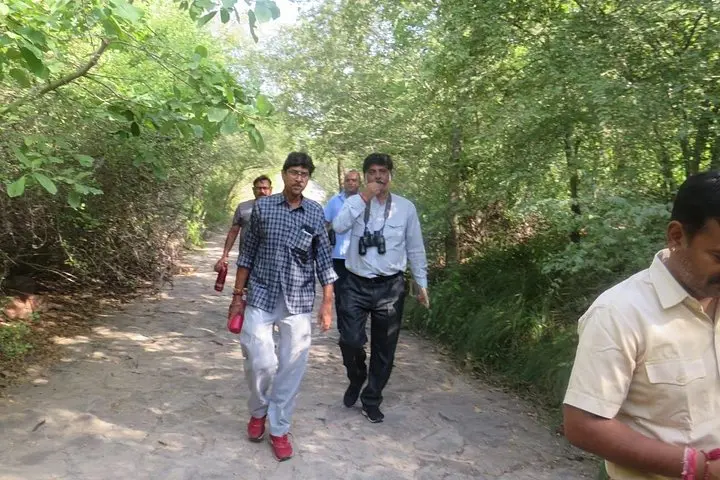
Practical guidance: wear sturdy, closed-toe shoes for uneven stone steps and cobbled lanes, carry at least 1 liter of water, and bring sun protection; summers can be intensely hot and winters pleasantly cool. The route is family-friendly but involves curbs, steps, and occasional tight alleys — not ideal for travelers with significant spinal or cardiovascular restrictions. Aim for early morning or late afternoon to avoid peak heat, and keep belongings secure in crowded markets. This walk is compact, sensory, and rooted in living history — a direct way to read Jodhpur’s layered past on its streets.
The guided route runs about 2–3 hours with several short stops (10–20 minutes) at key points like clock towers, lakes and stepwells for stories and photos.
Guides typically include a small local snack such as samosa, mirchi vada or tea, but bring extra water and cash for additional purchases.
The route passes narrow lanes, steps and uneven surfaces; infants in strollers may be accommodated, but wheelchair access is limited — contact the operator to confirm specific needs.
Full refund is usually available if you cancel at least 24 hours before departure; check the booking confirmation for exact terms.
Jodhpur Bluecity Walk Tour operates guided outdoor trips and adventures with an emphasis on safety, stewardship, and memorable experiences.
Morning light hits Jodhpur’s compact lanes like a spotlight, turning rows of blue-painted houses into clear signposts through history. Walking this route, the city feels close — alleyways whisper, the sun dares you forward, and spice-scented stalls punctuate every turn.
Morning light hits Jodhpur’s compact lanes like a spotlight, turning rows of blue-painted houses into clear signposts through history. Walking this route, the city feels close — alleyways whisper, the sun dares you forward, and spice-scented stalls punctuate every turn.
The walk threads together civic and royal history: Mehrangarh Fort’s sandstone walls (foundation laid in 1459) loom above neighborhoods once reserved for courtiers and Brahmins. The city’s geology — thick layers of red and rose sandstone quarried from nearby ridgelines — gives its palaces and stepwells their carved, tactile character. Local culture centers on markets and water architecture: stepwells like Toorji Ka Jhalra and small artificial lakes commissioned by queens in the 15th century point to Jodhpur’s strategies for managing scarce desert water.
Expect a paced, interpretive stroll: clock towers, chowks (public squares), and community stepwells with 10–20 minute stops for stories and photos. The guide often includes local snacks — samosa, mirchi vada, or a cup of tea — offering a direct taste of daily life.
Practical guidance: wear sturdy, closed-toe shoes for uneven stone steps and cobbled lanes, carry at least 1 liter of water, and bring sun protection; summers can be intensely hot and winters pleasantly cool. The route is family-friendly but involves curbs, steps, and occasional tight alleys — not ideal for travelers with significant spinal or cardiovascular restrictions. Aim for early morning or late afternoon to avoid peak heat, and keep belongings secure in crowded markets. This walk is compact, sensory, and rooted in living history — a direct way to read Jodhpur’s layered past on its streets.